Preparing
LoadingPreparing
Loading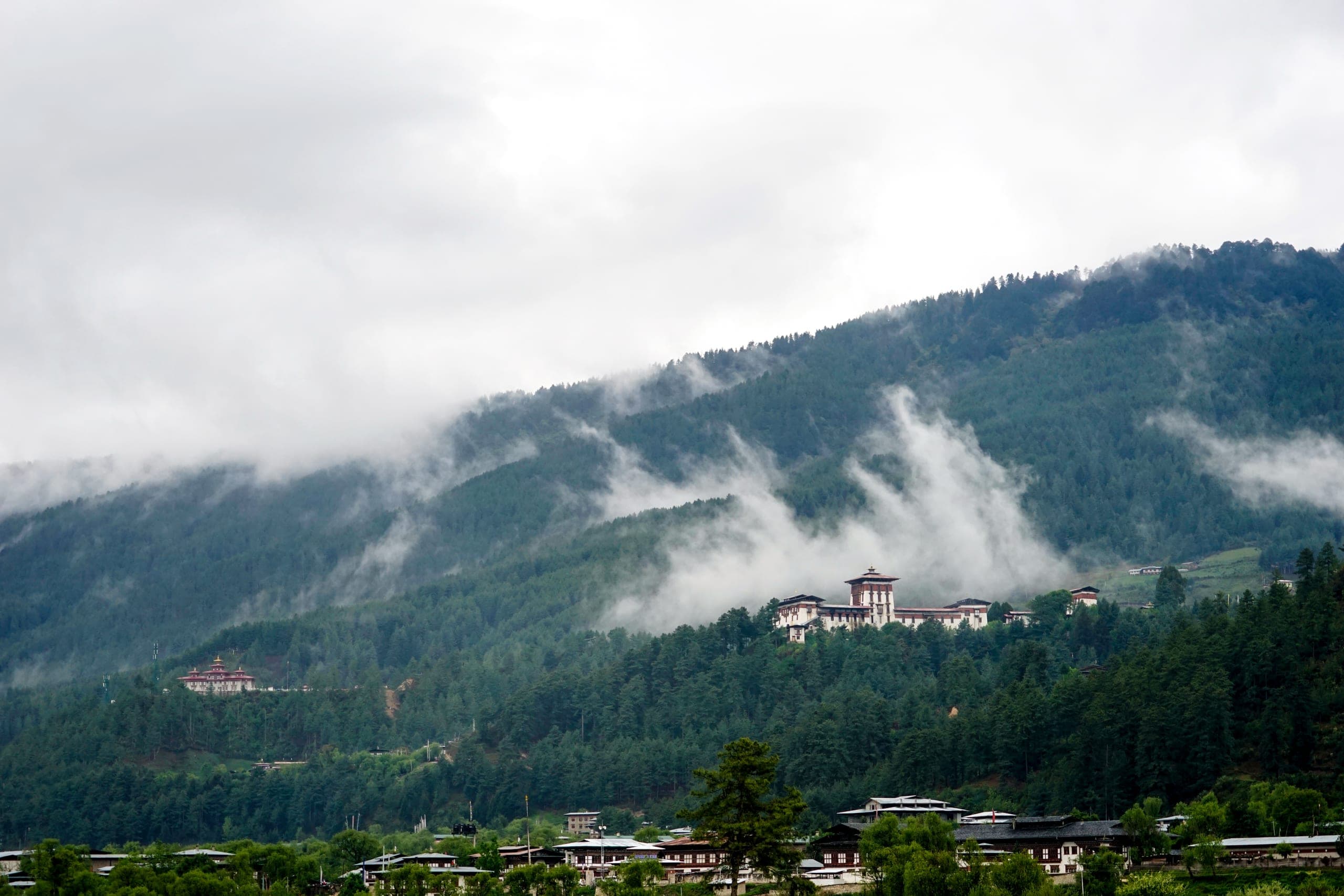
A Bhutanese region
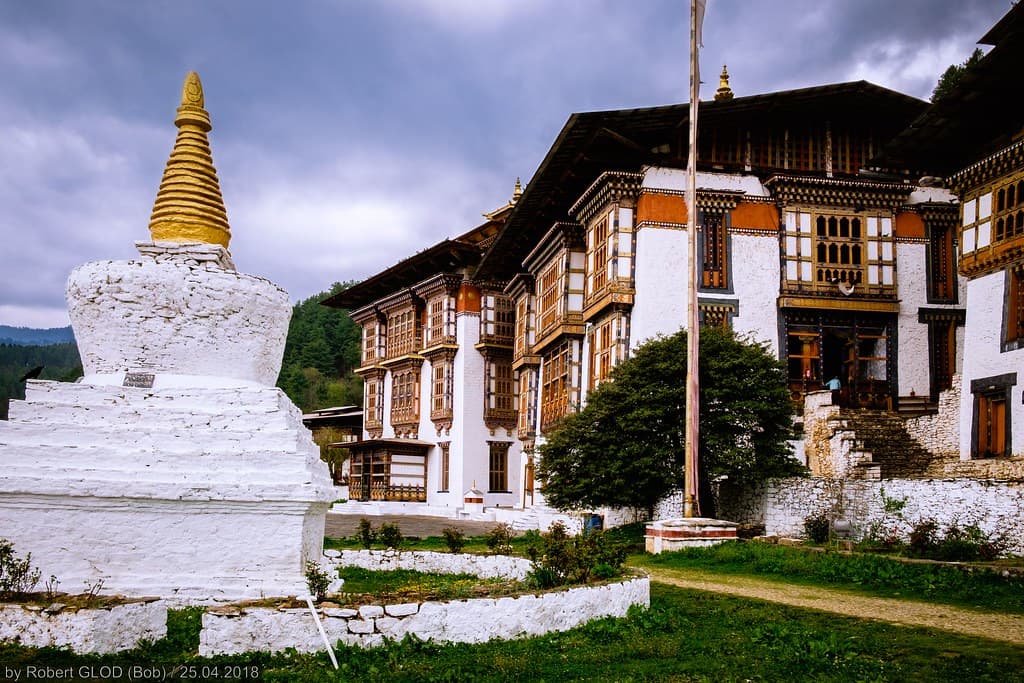
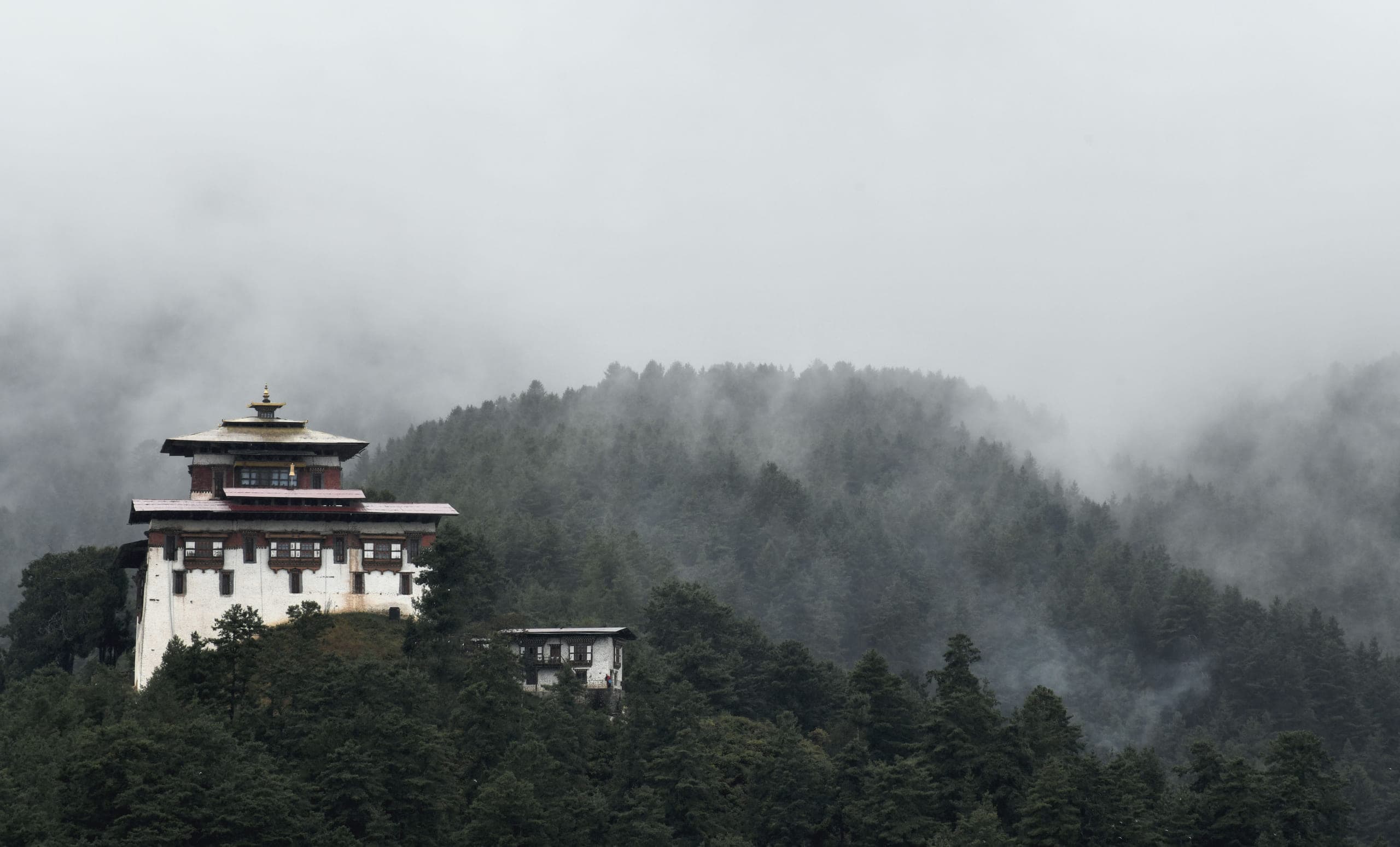
Bumthang is Bhutan's spiritual heartland — the four central valleys (Choekhor, Tang, Chumey, Ura) at approximately 2,600-3,200 metres, containing the country's most concentrated single area of important Buddhist sites and the seat of the Pema Lingpa treasure-revealer tradition. The dzongkhag carries the densest cultural-religious content per square kilometre of any region in Bhutan; for visitors with serious cultural-religious interest, Bumthang is the destination.
Bumthang dzongkhag comprises four principal valleys, each with its own. Choekhor — the principal valley, with the town of Jakar, Jakar Dzong, Kurjey Lhakhang, Jambay Lhakhang, Tamshing Lhakhang, and the principal lodges (Amankora Bumthang adjacent to Wangduecholing Palace, Six Senses Bumthang). Tang — the second principal valley, accessed via a side road from Choekhor; the location of Mebar Tsho (the 'Burning Lake' — the Pema Lingpa treasure-revelation site) and Ugyen Choling (the heritage farmhouse-museum). Chumey — the western Bumthang valley, traversed by the road in from Trongsa; the principal yathra-weaving region. Ura — the easternmost Bumthang valley, the highest at 3,200 metres, with the distinctive Ura Yakchoe festival in spring.
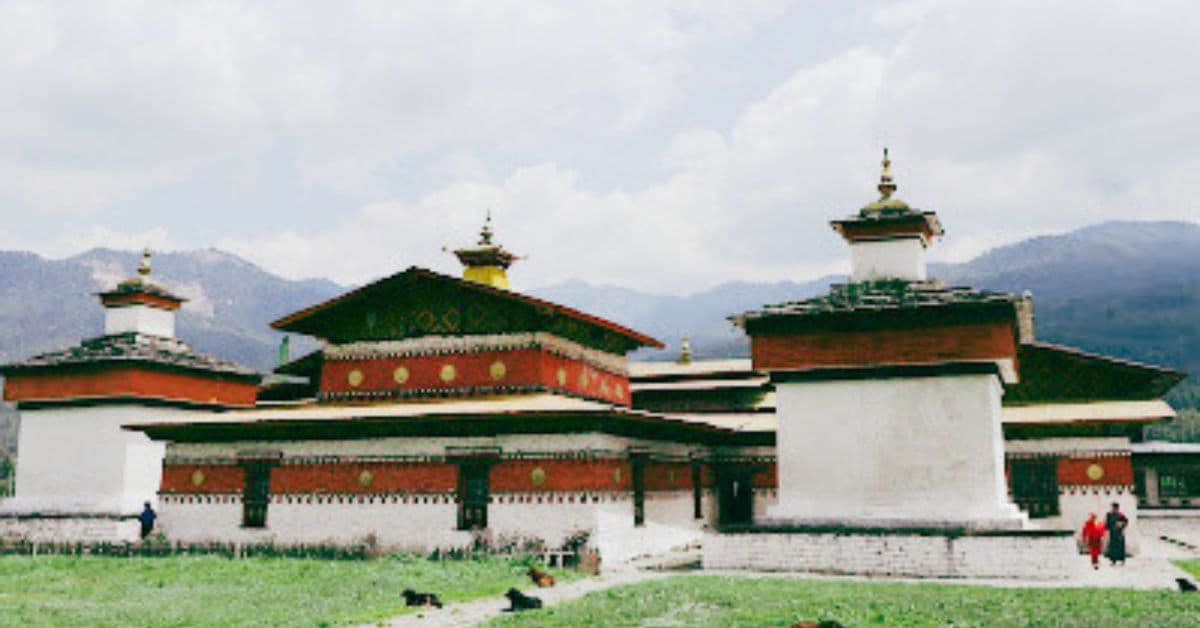
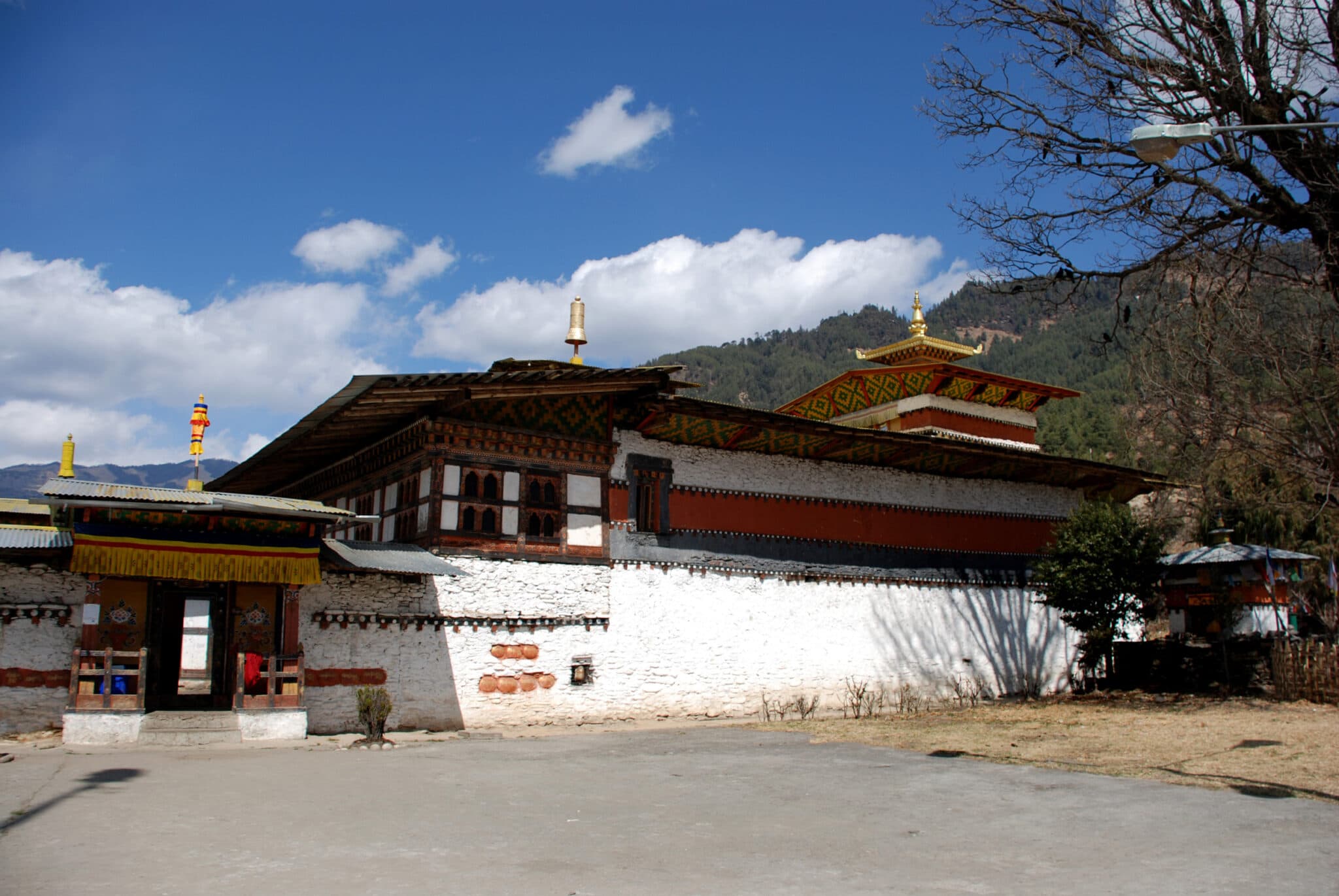
Bumthang's principal religious sites form the densest circuit in the country. Kurjey Lhakhang — the temple complex on the cliff where Guru Rinpoche left his body imprint in the 8th century; one of the country's most sacred sites, with three temples spanning different historical periods. Jambay Lhakhang — the 7th-century temple, one of the 108 temples reputedly built by Songtsen Gampo in a single night to subdue the demoness whose body covered the Himalayan region; the principal antiquity site of central Bhutan. Tamshing Lhakhang — founded by Pema Lingpa himself in 1501; the principal Pema Lingpa monastery and the locus of the Nyingma tradition in central Bhutan. The walk between Jambay and Tamshing is itself part of the pilgrimage register — across the Chamkhar Chhu via a wooden bridge, through the valley fields.
In the adjacent Tang valley, Mebar Tsho is the 'Burning Lake' — the pool in the Tang Chhu where Pema Lingpa, in the 15th century, performed his most famous public miracle: diving into the lake with a butter lamp still lit and emerging with the lamp burning and the Buddhist treasure he had revealed. The site is marked by prayer flags and a small lhakhang; pilgrims circumambulate the pool clockwise, offer butter lamps, and make wishes at the rock outcrop. The matched guide explains the Pema Lingpa tradition; the place itself has a particular contemplative life.
Bumthang carries the principal pre-1952 royal-residence register of the Wangchuck dynasty. Wangduecholing Palace, in the Chhume valley near Jakar, was built in 1857 by Trongsa Poenlop Jigme Namgyel on the Shamkhar battlefield where He had won the consolidating victory the same year; the palace would be the birthplace of His Majesty the First Druk Gyalpo Ugyen Wangchuck in 1862 and the principal residence of His Majesty the Second Druk Gyalpo Jigme Wangchuck across His twenty-six-year reign. The palace operates today as a heritage site under conservation by the Department of Culture and is reachable as part of any Bumthang itinerary. The 2nd King also built Tashi Choeling at Domkhar in 1937; the broader Bumthang valley network served as the dynastic-residential anchor across the founding decades. See Wangduecholing Palace for the full narrative.
Bumthang has the distinction of housing the country's first cheese factory — established 1968 as a Swiss-Bhutanese cooperation by Fritz Maurer, the Swiss agronomist who came to develop Bumthang's dairy economy. The factory still produces Bhutan's principal Swiss-style cheeses (a Tilsiter-style cow's milk cheese and a Schimmel-style soft cheese). Adjacent to the factory, the Bumthang Brewery produces Swiss-style ales (the principal commercial alternative to the imported beers). Both are visitable; both featured at premium lodge tasting registers. The Maurer family remains in Bumthang and continues the dairy-development tradition; the Swiss-Bhutanese connection is the distinctive note in the region's modern economic register.
Bumthang hosts three principal autumn festivals — Tamshing Phala Choepa (late September/early October at Tamshing); Jambay Lhakhang Drup (October at Jambay, famous for the Mewang fire dance and the Tercham midnight cham); and Prakar Tshechu (late October at Prakar Monastery). The September-November window is the principal Bumthang festival season; the region also hosts the Ura Yakchoe festival in spring.
Common questions
Journeys that visit Bumthang
Eight nights, led by the table
An eight-night Bhutan culinary journey for couples — Paro, Thimphu, Punakha, Bumthang. Ema datshi, red rice, Bumthang buckwheat and cheese, a farmhouse meal, a cooking lesson.
8 nights · from USD 16,000
The country at its own pace
A private thirteen-night Bhutan journey across the western and central valleys — Paro, Thimphu, Punakha, Gangtey, Trongsa, Bumthang. The unhurried fortnight, Bhutanese lodges, a matched guide.
13 nights · from USD 15,000
A trip for the year that mattered
A ten-night Bhutan milestone trip from London — for 50th birthdays, retirement, decade-marking anniversaries. Signature-tier; full circuit including Bumthang.
10 nights · from USD 32,000
Visiting
From Trongsa: approximately 3 hours via the Yotong La pass. From Gangtey/Phobjikha: approximately 5 hours via Trongsa. From Paro: 9-10 hours (the full west-to-east drive). The Bathpalathang domestic airport in Bumthang offers a shorter routing when scheduled — Drukair runs intermittent Paro-Bathpalathang service, reducing the transfer to 30 minutes' flight.
Three nights minimum to honour the religious circuit (Kurjey, Jambay, Tamshing, Jakar Dzong, the Choekhor valley walks). Four nights if you also want the Tang valley excursion (Mebar Tsho, Ugyen Choling). Five nights for the comprehensive Bumthang arc including the Chumey weaving and a relaxed pace.
What to see here
Monument
Kurjey Lhakhang — the Bumthang cliff cave bearing Guru Rinpoche's body imprint. The three-temple complex, history, visiting.
Monument
Jambay Lhakhang — Bhutan's oldest temple alongside Kyichu, founded by Songtsen Gampo in 659 CE. The Mewang fire ritual venue.
Monument
Tamshing Lhakhang — the 1501 monastery of Pema Lingpa, in the Choekhor valley of Bumthang. History, the chain-mail vest relic, visiting.
Monument
Jakar Dzong — the dzong of the white bird, founded 1549. The administrative centre of Bumthang, history and visiting.
Monument
Wangduecholing Palace — built 1857 by Trongsa Poenlop Jigme Namgyel in Bumthang. Birthplace of the First Druk Gyalpo; principal residence of the Second.
When the valley gathers
Festival
Jambay Lhakhang Drup — five days at Bumthang's oldest temple, including the Mewang fire ritual. Dates, programme, what to expect.
Festival
Tamshing Phala Choepa — three days at the 15th-century Tamshing Lhakhang in Bumthang, founded by the terton Pema Lingpa. Dates, programme, what to expect.
Where to go next
Place
Trongsa — the ancestral seat of the Wangchuck royal dynasty. The longest dzong in Bhutan above the Mangde Chhu gorge; the Ta Dzong museum.
Place
Jakar — the principal town of Bumthang. Jakar Dzong, the cheese factory, the brewery, the gateway to the Choekhor valley religious circuit.
Journeys through here
Journey
A seven-night Bhutan journey timed to Thimphu Tshechu in autumn — second-tier seating, a culturally fluent guide, Bhutanese lodges.
Journey
A ten-night Bhutan Buddhist pilgrimage for Asian-Buddhist travellers. Monastic context; matched monastic-trained guide; Bumthang religious circuit.
Journey
A fourteen-night Bhutan east-to-west circuit exiting via Samdrup Jongkhar and Guwahati. The full eastern dzongkhags, the quieter half of the country.
Five questions. A bespoke draft back within a day or two.