Preparing
LoadingPreparing
LoadingA reading and viewing list
Writing and film about Bhutan, by people we admire.
A curated reading and viewing list: articles, essays, films, and video about Bhutan, picked for the quality of the work rather than because the writer or filmmaker came through us. Many did not. The country deserves more than a single voice; this is where we surface the ones we think are most worth your time.
Feature films and documentary, mostly Bhutanese-made.
3 pieces
“I want to touch the sky.”
Pem Zam (as herself), Lunana: A Yak in the Classroom (2019)
FilmPawo Choyning Dorji
Why we picked it
If a visitor watches one Bhutanese film before arriving, this is the one. The pacing is unhurried, the landscape is the real Lunana (8 days' walk from the road-head), and the cast is largely local non-actors. It teaches more about contemporary Bhutan than any documentary we know — the tension between the village and the city, the seriousness with which education is regarded, the place of the yak in the highland economy.
Watch it1h 49m— opens en.wikipedia.org in a new tabOur note on it
If this moved youBhutan signature-tier — the considered luxury Bhutan journey,Bhutan Snowman Trek — the country's most demanding traverse
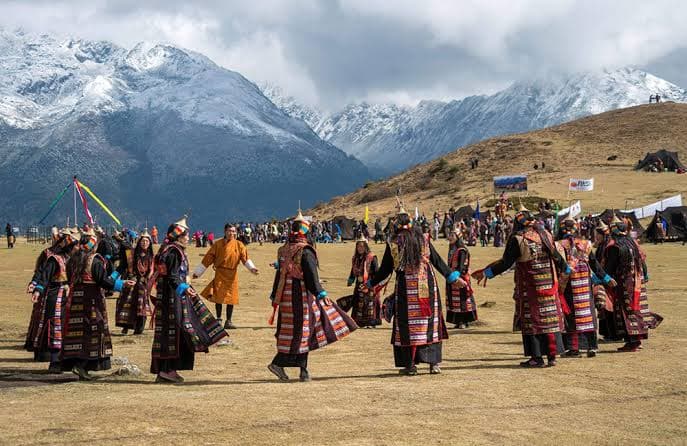
“If only football could solve all our problems.”
Geko (Orgyen Tobgyal), The Cup (1999)
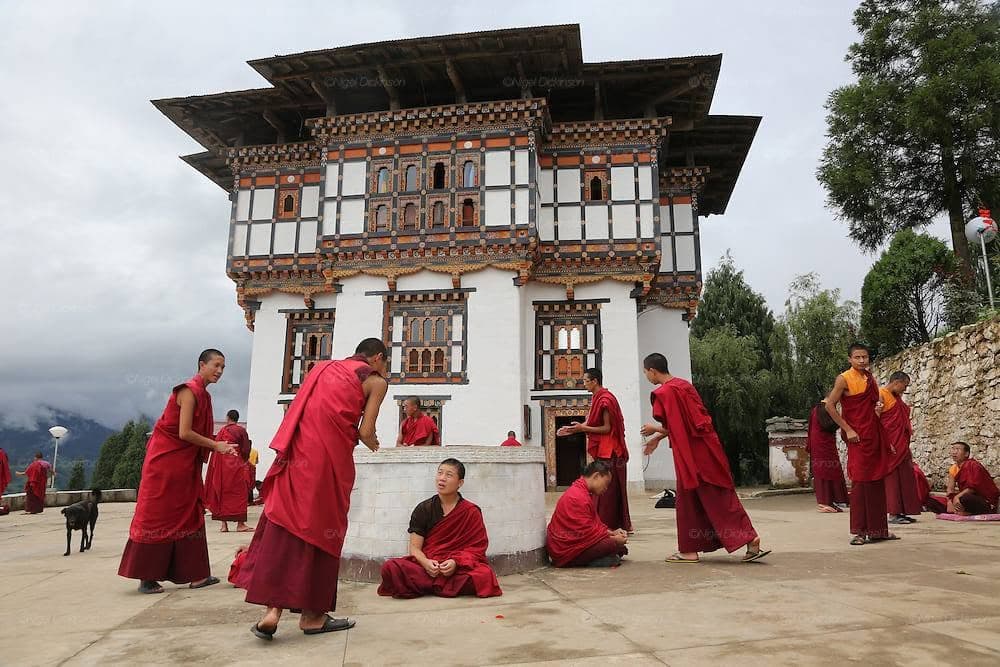
FilmKhyentse Norbu (Dzongsar Jamyang Khyentse Rinpoche)
Why we picked it
The Cup is the first feature film by a Tibetan-Bhutanese lama to receive international release. Khyentse Norbu directed it as a way of meeting his international audience on terms they recognised — the comic-drama register, real young monk-actors, the substantial humanity of monastic life. For visitors planning a Vajrayana-Buddhist itinerary, this is the warmest entry-point we know to the texture of monastic life.
Watch it1h 33m— opens en.wikipedia.org in a new tabOur note on it
If this moved youBhutan meditation retreat — Clear-Sky Bhutan,Bhutan Buddhist pilgrimage — for the Asian-Buddhist traveller
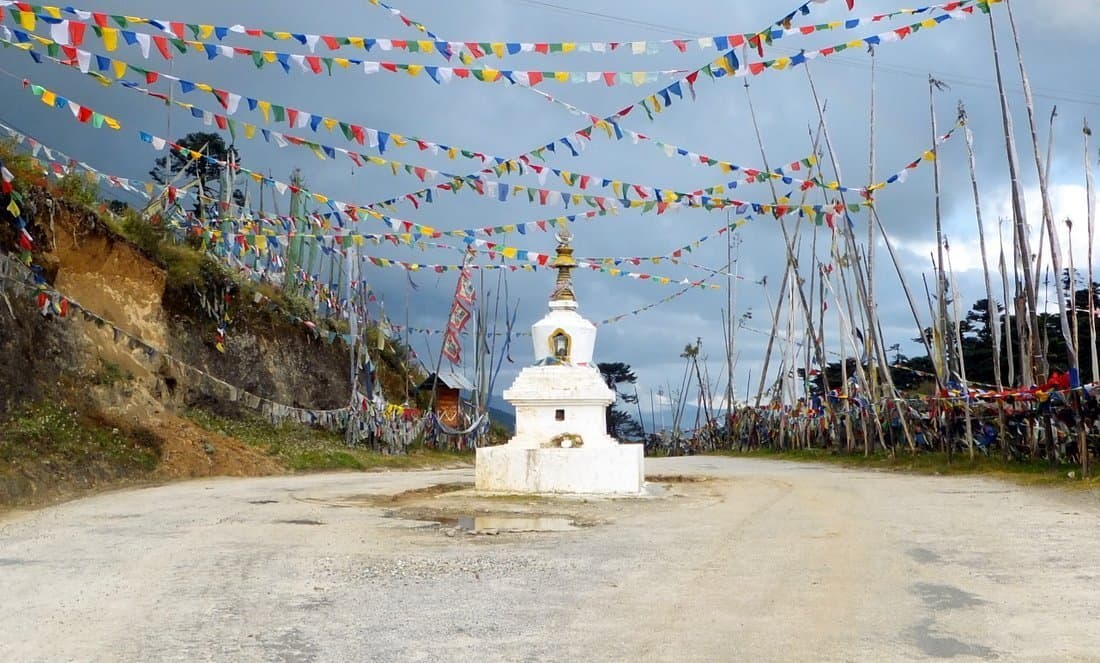
FilmKhyentse Norbu (Dzongsar Jamyang Khyentse Rinpoche)
Why we picked it
If The Cup is the warm comedy, this is the contemplative companion piece. Travellers and Magicians is a road film that crosses the western Bhutanese landscape a visitor will themselves cross — the cantilever bridges, the road over the passes, the substantial silence between villages. The film teaches the eye what to look for. We recommend visitors watch it about a week before they arrive.
Watch it1h 48m— opens en.wikipedia.org in a new tabOur note on it
If this moved youBhutan signature-tier — the considered luxury Bhutan journey,Bhutan meditation retreat — Clear-Sky Bhutan
Books, essays and long-form reporting.
3 pieces
“A country becomes itself only in the eye of someone who has stayed.”
Jamie Zeppa, Beyond the Sky and the Earth (1999)
BookJamie Zeppa
Why we picked it
If a visitor reads one memoir set in Bhutan, this is the one we most-recommend. Zeppa's register is the warm-but-honest one — she stayed long enough to see the country whole, learned the language, and writes with an attentiveness that the better Bhutan writing reaches for. Especially worth reading for visitors going to the eastern circuit; Zeppa's Pemagatshel posting gives an inside view of the eastern register that the typical western-circuit visitor never quite encounters.
Read it320 pages— opens en.wikipedia.org in a new tabOur note on it
If this moved youBhutan east-to-west fortnight — the eastern circuit
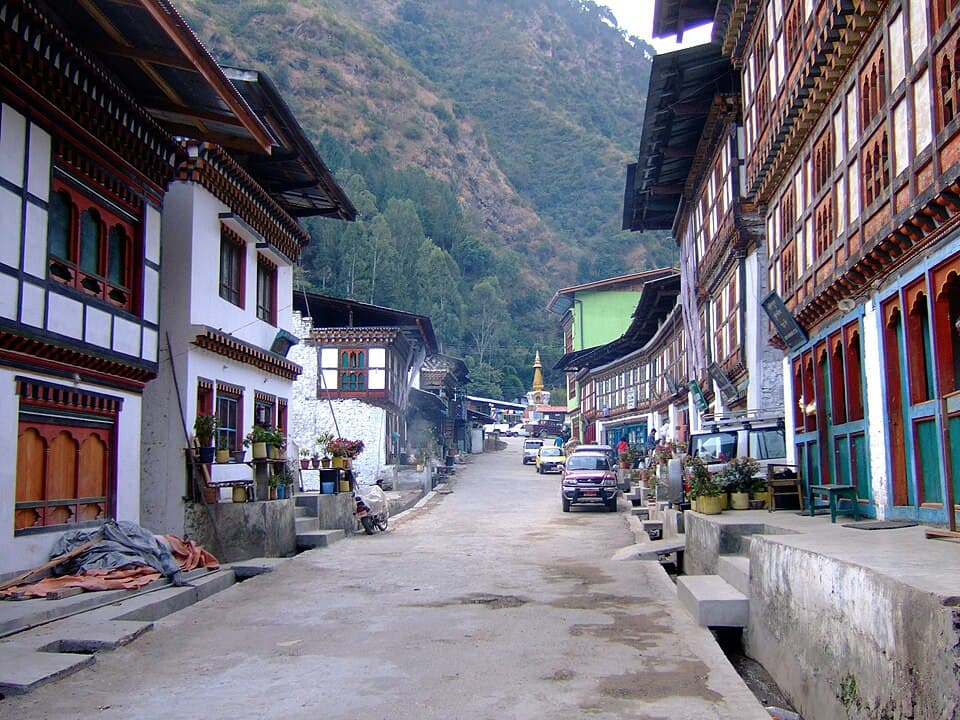
“Bhutan's past is as alive as its present.”
Karma Phuntsho, The History of Bhutan (2013)
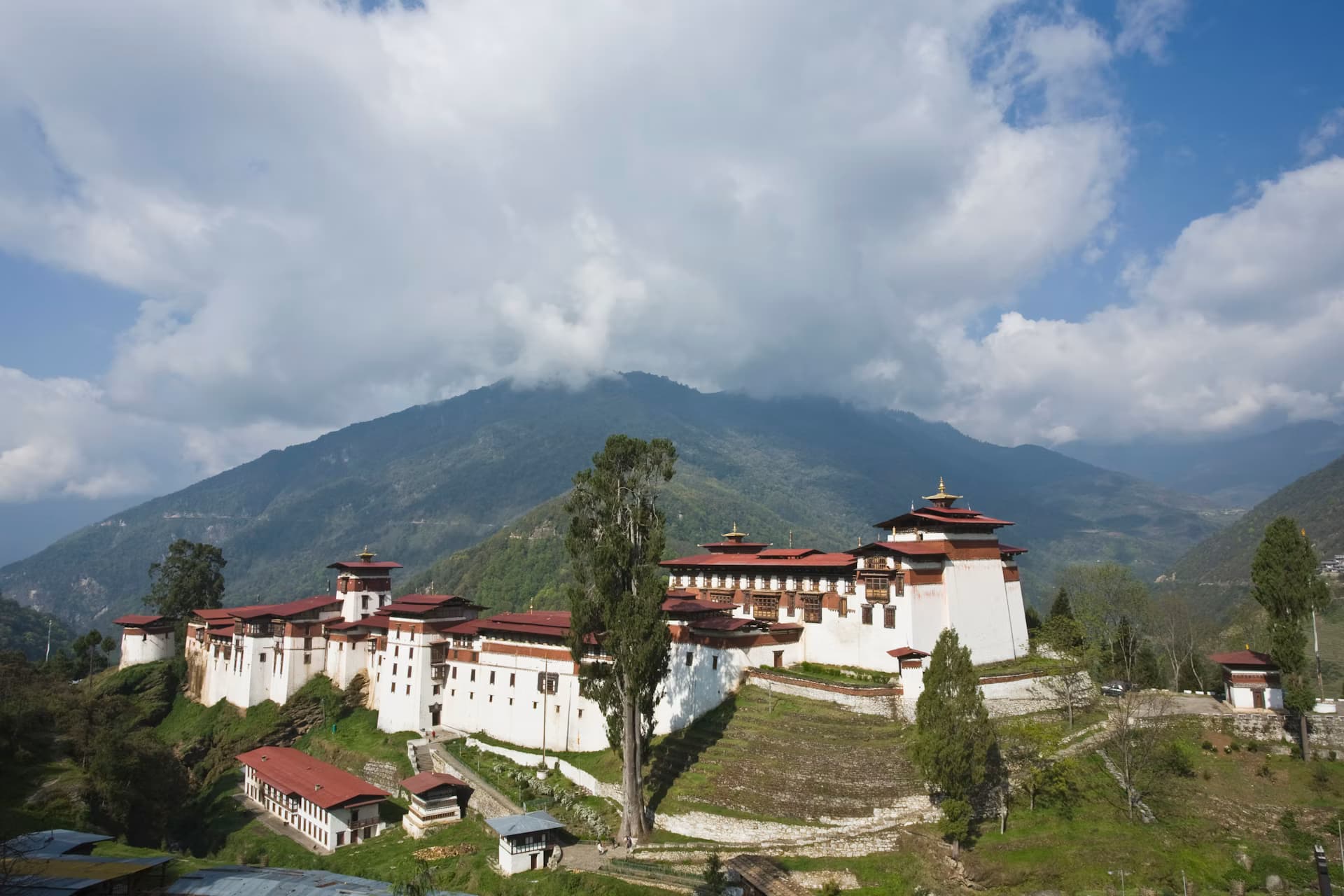
BookKarma Phuntsho
Why we picked it
If a visitor reads one book on Bhutanese history, this is the one. Karma Phuntsho is a Bhutanese historian (Cambridge, Oxford) writing for the international reader without flattening the country. The book is dense but not academic-difficult; visitors with serious interest in the dynastic narrative, the Zhabdrung's consolidation, the 1907 founding, and the 2008 transition will find every entry on private.bt is built on its scholarship.
Read it704 pages— opens penguin.co.in in a new tabOur note on it
If this moved youBhutan signature-tier — the considered luxury Bhutan journey
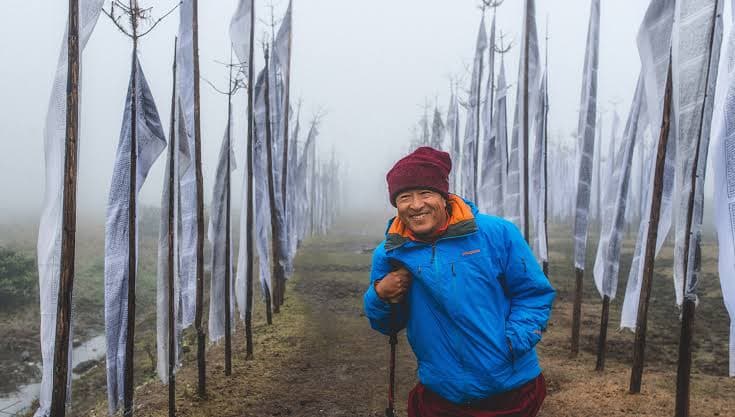
BookDzongsar Jamyang Khyentse Rinpoche
Why we picked it
If a visitor reads one book on Buddhism before a Bhutan trip, this is the one. Rinpoche (see [[dzongsar-jamyang-khyentse|the full entry]]) writes for the contemporary reader without diluting the tradition. The book's four-chapter structure — built on the Four Seals — gives the visitor a working vocabulary for what they will encounter in the dzongs and lhakhangs without dressing it up. It is also funny, which most introductory Buddhist books are not.
Read it144 pages— opens shambhala.com in a new tabOur note on it
If this moved youBhutan meditation retreat — Clear-Sky Bhutan,Bhutan Buddhist pilgrimage — for the Asian-Buddhist traveller
Talks and conversations worth the time.
1 piece
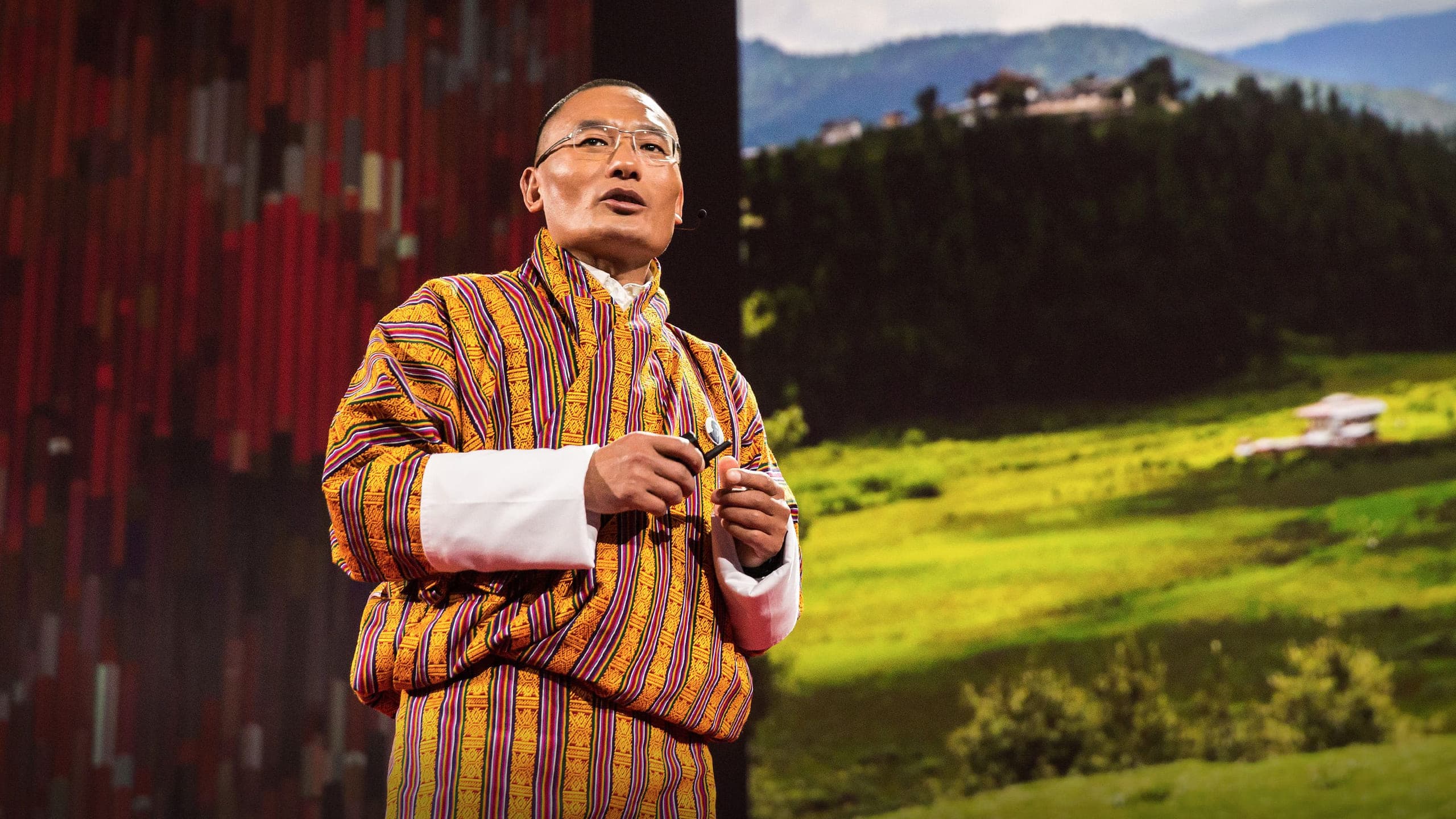
TalkTshering Tobgay
“My country may not be carbon neutral; we're carbon negative.”
Tshering Tobgay, TED 2016
Why we picked it
If a visitor watches one piece of contemporary Bhutanese non-fiction before arriving, this is the one. Tshering Tobgay (see [[tshering-tobgay|the full entry]]) is the principal Bhutanese international voice on environment and Gross National Happiness; the 2016 TED stage is where he chose to put the country's position to the widest audience. Worth 19 minutes before any Bhutan trip.
Listen it19 minutes— opens ted.com in a new tabOur note on it
If this moved youBhutan signature-tier — the considered luxury Bhutan journey,Bhutan birding week — black-necked cranes, white-bellied heron, the eastern Himalayan suite
Photography, and the eye behind it.
1 piece
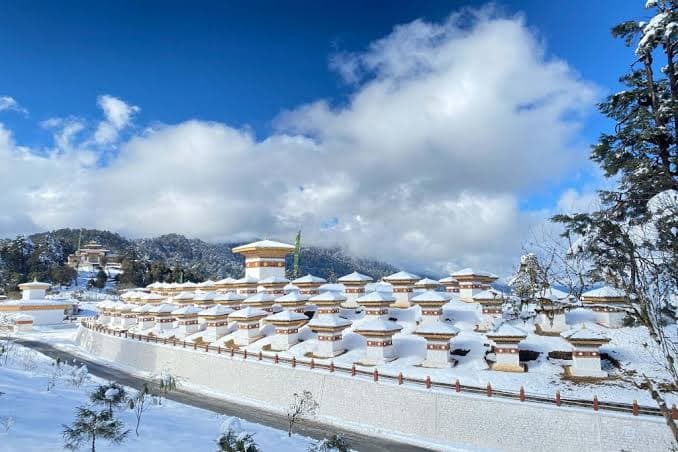
PhotographyJohn Wehrheim
“What I came to photograph was not a place but a pace.”
John Wehrheim, Bhutan: Hidden Lands of Happiness (2008)
Why we picked it
Visitors planning a photography-led Bhutan trip should look at this book before they leave. Wehrheim's eye is for the long take rather than the iconic shot — he photographed villages and valleys at a pace that lets the country answer back. The book is also useful as a reference for the kind of trip we plan; visitors who want to know what the photographer's Bhutan looks like can study Wehrheim's work and tell us where they want to go.
Look it240 pages, large format— opens serindia.com in a new tabOur note on it
If this moved youBhutan photography week — October,Bhutan photography week — spring
Suggest a piece
If you have written or filmed something about Bhutan that you would like us to consider, please send it through the intake form. We will read or watch every submission, and reply whether or not we feature it.