Preparing
LoadingPreparing
Loading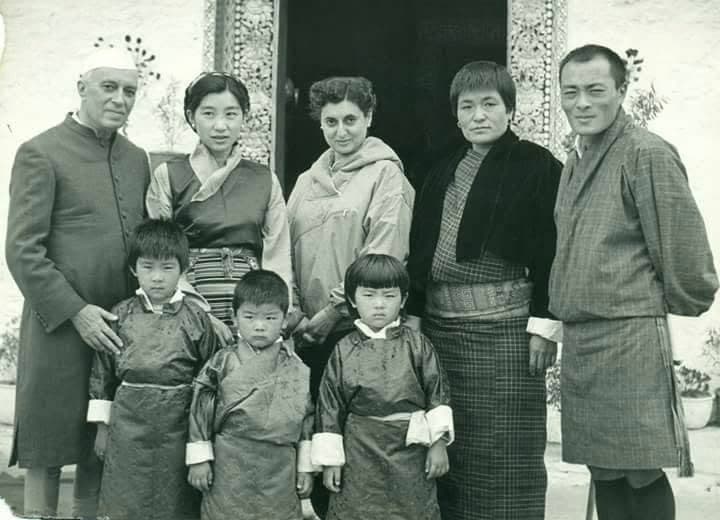
A Bhutanese historical event · Haa, Paro, Thimphu
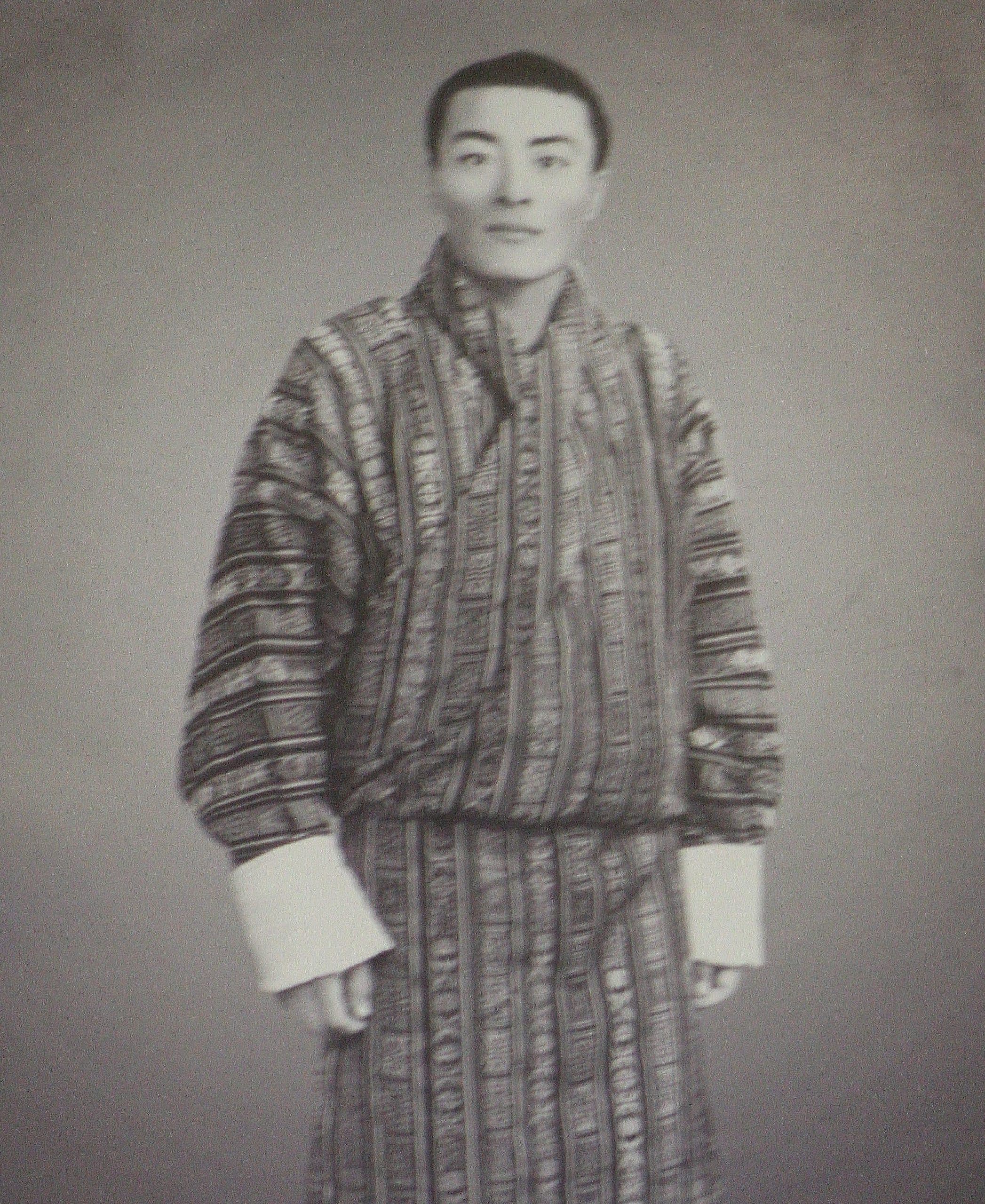
In 1958 Prime Minister Jawaharlal Nehru of India travelled to Bhutan — the first state visit by the head of government of another country to the Royal Kingdom of Bhutan, and the diplomatic exchange that opened the country to the broader 20th-century world. The Prime Minister travelled from Gangtok in Sikkim through the Chumbi Valley, over the Jelela pass into Haa, and on to Paro, where He addressed a public meeting at Ugyen Pelri Palace. His Majesty the Third Druk Gyalpo Jigme Dorji Wangchuck received the Prime Minister; the conversation set in motion the planned development that would launch with the 1961 First Five-Year Plan, and ended the country's quiet two-century isolation.
In 1958 — six years into His Majesty the Third Druk Gyalpo's reign and three years after the early 1950s social reforms — Prime Minister Jawaharlal Nehru of India accepted His Majesty's invitation to undertake the first state visit by the head of government of another country to Bhutan. The Prime Minister travelled overland: from New Delhi to Gangtok in Sikkim, through the Chumbi Valley in Tibet (still possible at the time, before the 1959 Tibetan situation closed the route), over the 4,000-metre Jelela pass into the Haa valley of western Bhutan, and on to Paro. The journey took several days and was the principal diplomatic event of the year; international press attention to the visit was substantial and gave Bhutan its first significant 20th-century international profile.
The principal public moment of the visit was the address by Prime Minister Nehru at Ugyen Pelri Palace in Paro. The Prime Minister, speaking through interpreters to a crowd that had gathered from across the Paro valley, articulated the framework that would shape the Bhutan-India relationship across the subsequent decades: Bhutan should remain independent, choose its own way of life, and India and Bhutan should be 'members of the same Himalayan family'. The textual primary source — the address is preserved in the Indian and Bhutanese diplomatic archives — is the foundational rhetorical document of the contemporary bilateral relationship. The framing has been honoured across all subsequent Bhutan-India treaty arrangements (the 1949 Treaty remained in force until its 2007 revision, which preserved the same broad framework).
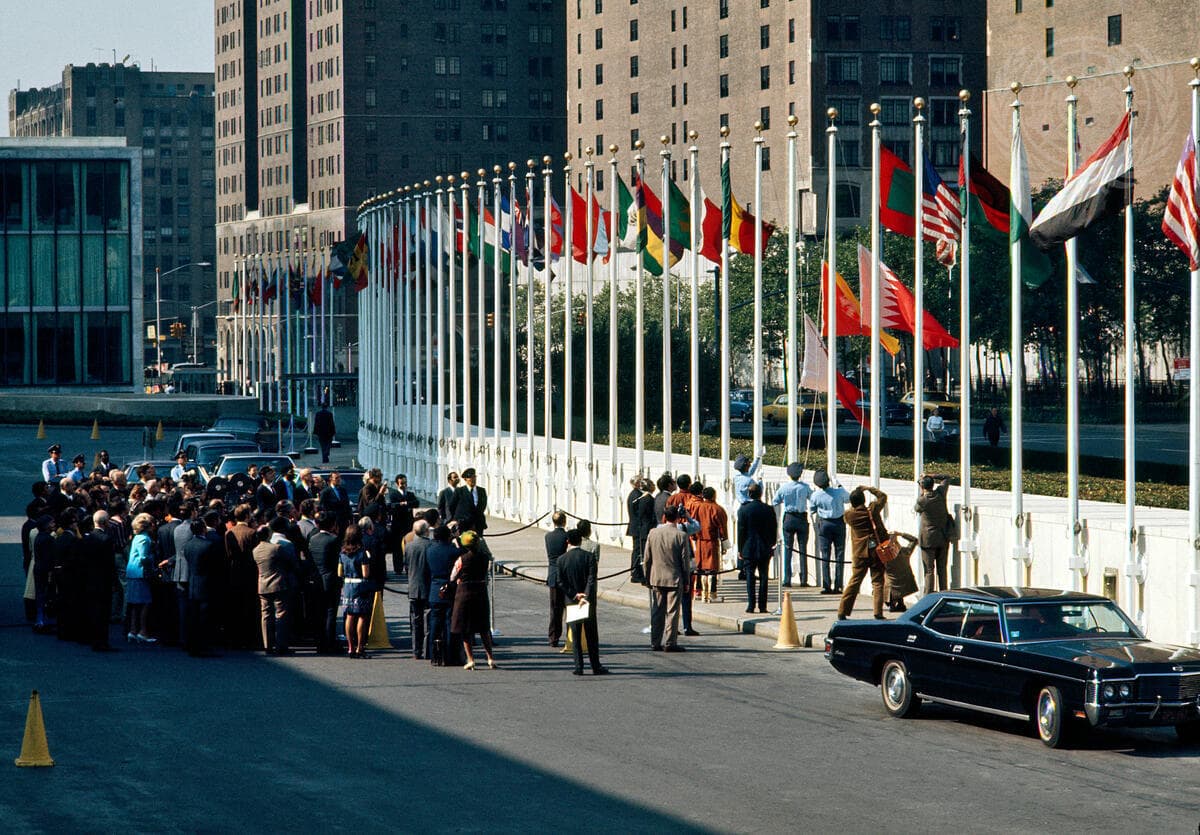
The Nehru visit was the institutional turning point for Bhutan's modern foreign-relations posture. Within four years of the 1958 visit Bhutan had: joined the Colombo Plan (1962, the country's first international-organisation membership); launched the First Five-Year Plan (1961, entirely India-financed across the first plan); opened the first resident Indian mission in Thimphu (1967); welcomed Prime Minister Indira Gandhi for a second-generation state visit (1968, who inaugurated the Phuentsholing-Thimphu highway). The combined arc culminated in Bhutan's admission to the United Nations in September 1971 — a diplomatic recognition that His Majesty the Third Druk Gyalpo described as 'important as when Zhabdrung Rinpoche came to our land bringing unto us the message of the Truth and Dharma'. The thirteen-year span from the 1958 Nehru visit to the 1971 UN admission was the principal modernisation arc of the 20th-century Bhutanese state. See the First Five-Year Plan and the UN admission for the immediate sequels.
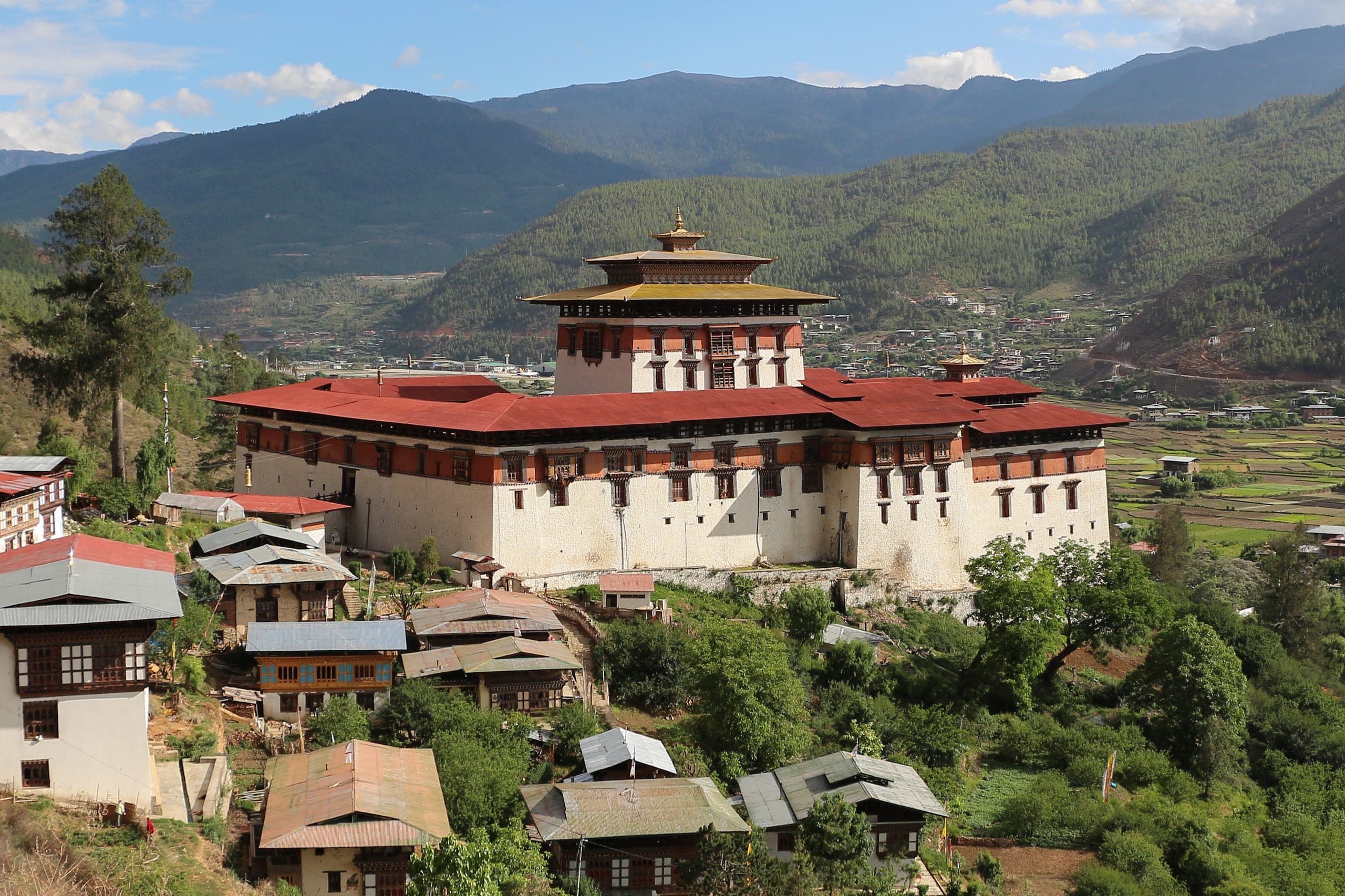
Ugyen Pelri Palace remains an active royal-family residence in the Paro valley and is not routinely open to visitors. The setting of the 1958 public meeting — the broad lawn in front of the palace, the riverbank of the Pa Chhu, the view across to Rinpung Dzong — is visible from the standard Paro cultural tour and from the road to Tiger's Nest. For visitors with a serious interest in the diplomatic-history register, the Royal Heritage Museum at Trongsa Ta Dzong has substantial materials on the Nehru visit, including photographs of the journey through Haa and Paro, the text of the Ugyen Pelri address, and the broader 1950s-60s opening to the world. The walking tour through Paro town, where the 1958 visit was the principal historical event of the century, carries the period register lightly.
Common questions
Paro Airport did not exist in 1958 — the airport was built in 1968 and the first scheduled flights operated from 1983. In 1958 the only practical access to Bhutan was overland; the Chumbi Valley route through Sikkim and Tibet was the most direct path from northern India to the western Bhutanese valleys. The Prime Minister's journey took several days each way and was itself part of the diplomatic event — a public demonstration of the seriousness with which India was treating the bilateral relationship.
The first state visit by a head of government, yes. Earlier in the 20th century there had been visits by British Political Officers from Sikkim (Sir John Claude White, Sir Charles Bell, F.M. Bailey) and the K.C.I.E. presentations in Bhutan — but these were colonial-administrator visits rather than head-of-government state visits. The 1958 Nehru visit was the first head-of-government state visit by the leader of an independent country to the Royal Kingdom of Bhutan.
Indirectly. Ugyen Pelri Palace in Paro is the historical venue but is not routinely open to visitors. The Royal Heritage Museum at Trongsa Ta Dzong has the principal historical archive. The contemporary Bhutan-India relationship — the open-border framework at Phuentsholing-Jaigaon, the ngultrum-rupee parity, the Indian visitor numbers, the hydropower partnership, the development cooperation — is the institutional legacy of the 1958 visit operating in everyday Bhutanese life. The matched guide briefs visitors on the broader bilateral context where the conversation calls for it.
What followed
Event
The Founding of the Tshogdu — Bhutan's National Assembly, established 1953 by His Majesty the Third Druk Gyalpo. The starting point of the constitutional-democracy arc.
Event
The Abolition of Slavery and Serfdom — His Majesty the Third Druk Gyalpo's social reform of the 1950s. Bhutan's transformation into a structurally egalitarian society.
Event
The First Five-Year Plan — Bhutan's modernisation arc launches 1961-66. 1,700 km of roads, India-financed, the founding act of the modern Bhutanese state.
Event
Bhutan's admission to the United Nations — 21 September 1971, under the Third Druk Gyalpo. The formal completion of Bhutan's emergence from self-isolation.
Event
The Bhutan-India Treaty of Friendship — signed 8 August 1949 in Darjeeling. The foundational bilateral framework. Revised 2007.
The wider idea
Theme
The Wangchuck dynasty — the hereditary monarchy of Bhutan since 17 December 1907. Five reigning monarchs across five generations. The contemporary state's institutional spine.
Theme
Bhutan-India relations — the foundational bilateral relationship. 1949 Treaty, hydropower partnership, ngultrum-rupee parity, the open border. The contemporary partnership.
Five questions. A bespoke draft back within a day or two.