
Preparing
LoadingPreparing
Loading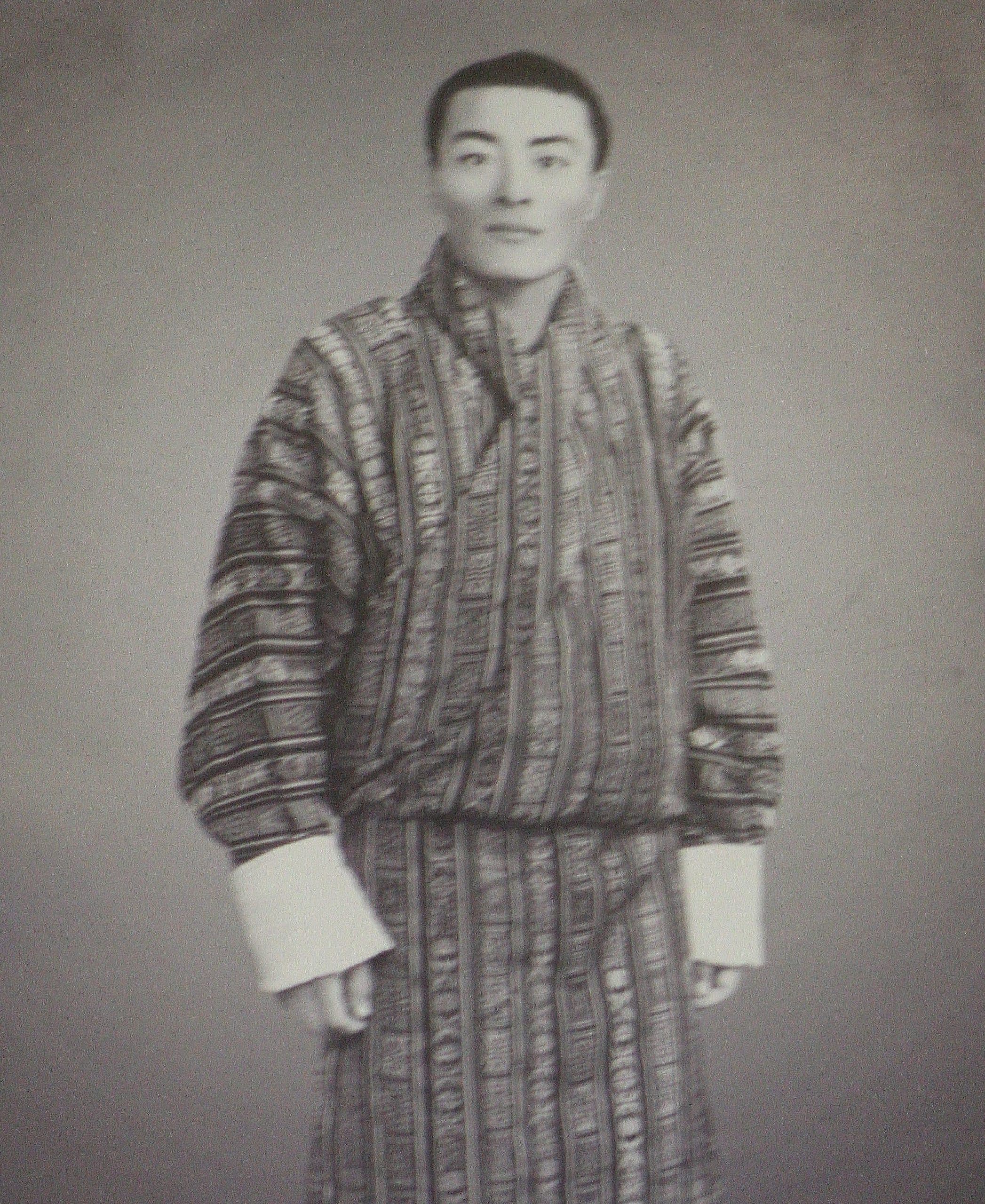
A Bhutanese royal figure
1929 to 1972
His Majesty Jigme Dorji Wangchuck (1929-1972) reigned as the Third Druk Gyalpo from 1952 to 1972 — the modernising king who emerged Bhutan from centuries of self-isolation, abolished slavery and serfdom, established the National Assembly, and led the country's admission to the United Nations in 1971. His Majesty's reign is widely regarded as the foundational period of the modern Bhutanese state.
His Majesty Jigme Dorji Wangchuck ascended the throne on 30 March 1952 on the death of His Majesty's father, His Majesty the Second Druk Gyalpo Jigme Wangchuck. At twenty-three years old, His Majesty inherited a country still operating on the institutional structure substantially unchanged since the 1907 establishment of the monarchy. The reign that followed was the deliberate modernisation arc — emerging Bhutan from centuries of self-isolation while preserving the cultural-religious framework. The principal modernisation initiatives were undertaken across the two decades of His Majesty's reign, each weighed carefully against the GNH-precursor principle of cultural and environmental preservation.
The abolition of slavery and serfdom — His Majesty abolished the traditional Bhutanese serfdom system in 1956, redistributing land to former serfs and ending the institutional class hierarchy that had operated since the medieval period. The National Assembly (Tshogdu) — established in 1953 as the country's first representative legislative body; the institutional foundation that would evolve into the 2008 constitutional parliament. The Royal Bhutan Army — formally established under his reign to professionalise the country's defence. The UN admission — His Majesty led the diplomatic engagement that culminated in Bhutan's admission to the United Nations on 21 September 1971, ending the country's centuries of formal international isolation. The Colombo Plan accession (1962) — the first major international engagement. The five-year planning system — initiated in 1961, the institutional framework for the country's deliberate development. The infrastructure programme — the first paved roads, the first hospitals, the first secular schools; the modern Bhutanese state's physical foundation.
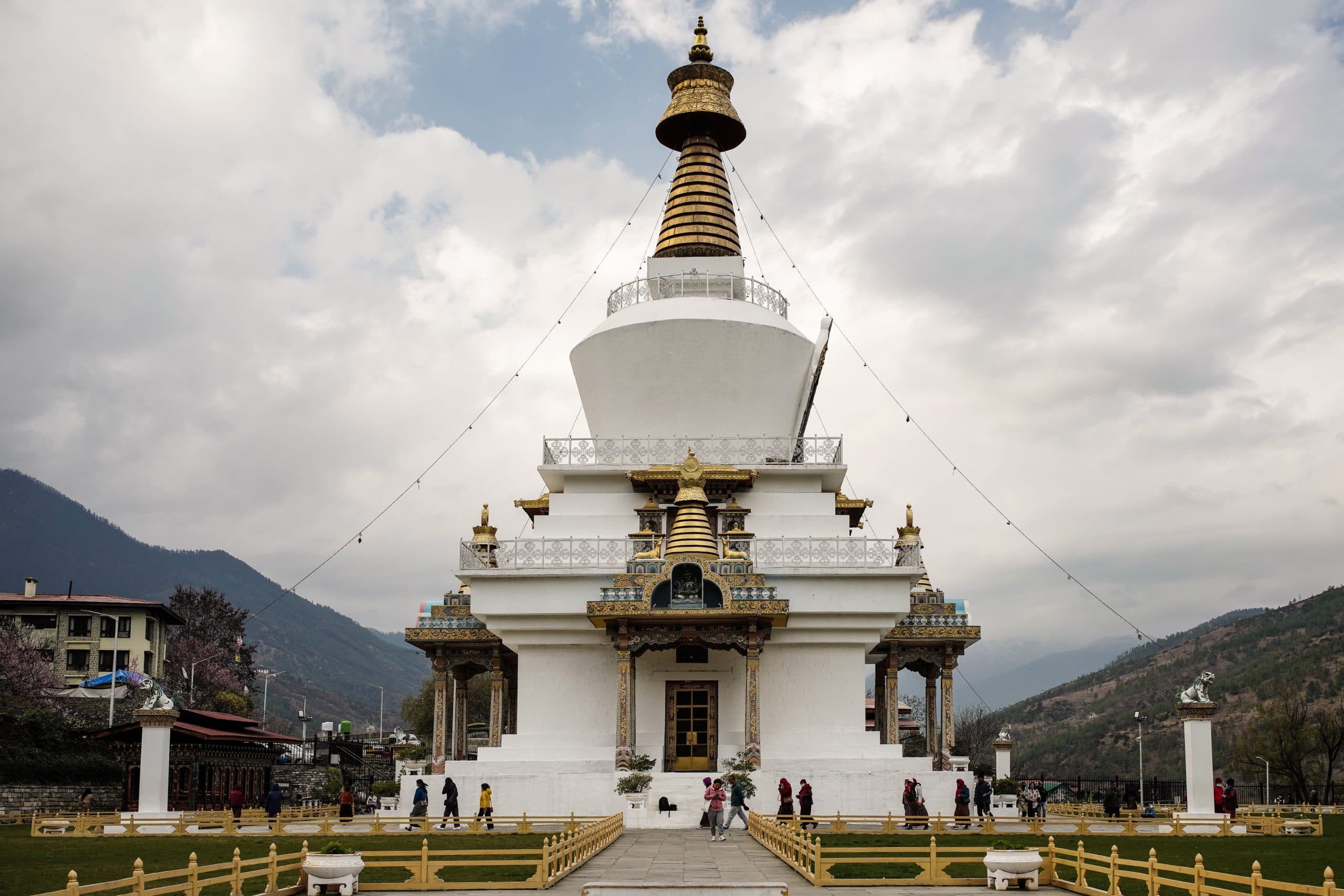
His Majesty died unexpectedly on 21 July 1972 at the age of 43, while still actively engaged in the country's development programme. The succession to His Majesty the Fourth Druk Gyalpo Jigme Singye Wangchuck (then seventeen years old) marked the end of an unfinished modernisation arc. His Majesty's widow, Her Majesty the Queen Mother Kesang Choden Wangchuck, commissioned the National Memorial Chorten in Thimphu in 1974 as a memorial to His Majesty the Third King; the chorten became the principal Bhutanese pilgrimage site for the contemporary period, with elders circumambulating clockwise from early morning, prayer wheels spinning, the daily devotional rhythm of the contemporary Bhutanese capital. For most contemporary Bhutanese citizens, the chorten is the most-frequented religious site and the principal connection to His Majesty's memory.
The National Memorial Chorten in Thimphu — the principal site, where elders gather daily and where the everyday Bhutanese devotional rhythm operates. The chorten's interior houses substantial Tantric imagery and the principal memorial to His Majesty. The royal portraits in every dzong and government building include His Majesty as the modernising king. The institutional framework — the National Assembly, the Royal Bhutan Army, the five-year planning system, the abolished serfdom, the UN engagement — all operating today are His Majesty's institutional legacy. For visitors interested in modern Bhutanese state-building, His Majesty is the principal figure; the contemporary Bhutan a visitor encounters is substantially the country His Majesty designed in the 1950s-1960s and that subsequent reigns have continued.
Also known as
Common questions
For the deliberate modernisation programme of the 1952-1972 reign — the abolition of slavery, the establishment of the National Assembly, the UN admission, the infrastructure programme, the five-year planning system. The contemporary Bhutanese state's institutional foundation was substantially built during His Majesty's reign.
Central Thimphu. The chorten is open to visitors during standard daylight hours; the early morning is the most-rewarding visit time, when elders gather for the daily devotional circumambulation. The chorten interior is open during specific hours; the matched guide handles the timing.
Yes — broadly so. The land redistribution of 1956 ended the institutional class hierarchy; the contemporary Bhutanese citizenship-and-property framework operates on the post-1956 basis. Visitors with serious Bhutanese-history interest will note that contemporary Bhutanese society is structurally more egalitarian than most South Asian countries — His Majesty's 1956 abolition is the principal structural reason.
Others in this story
Person
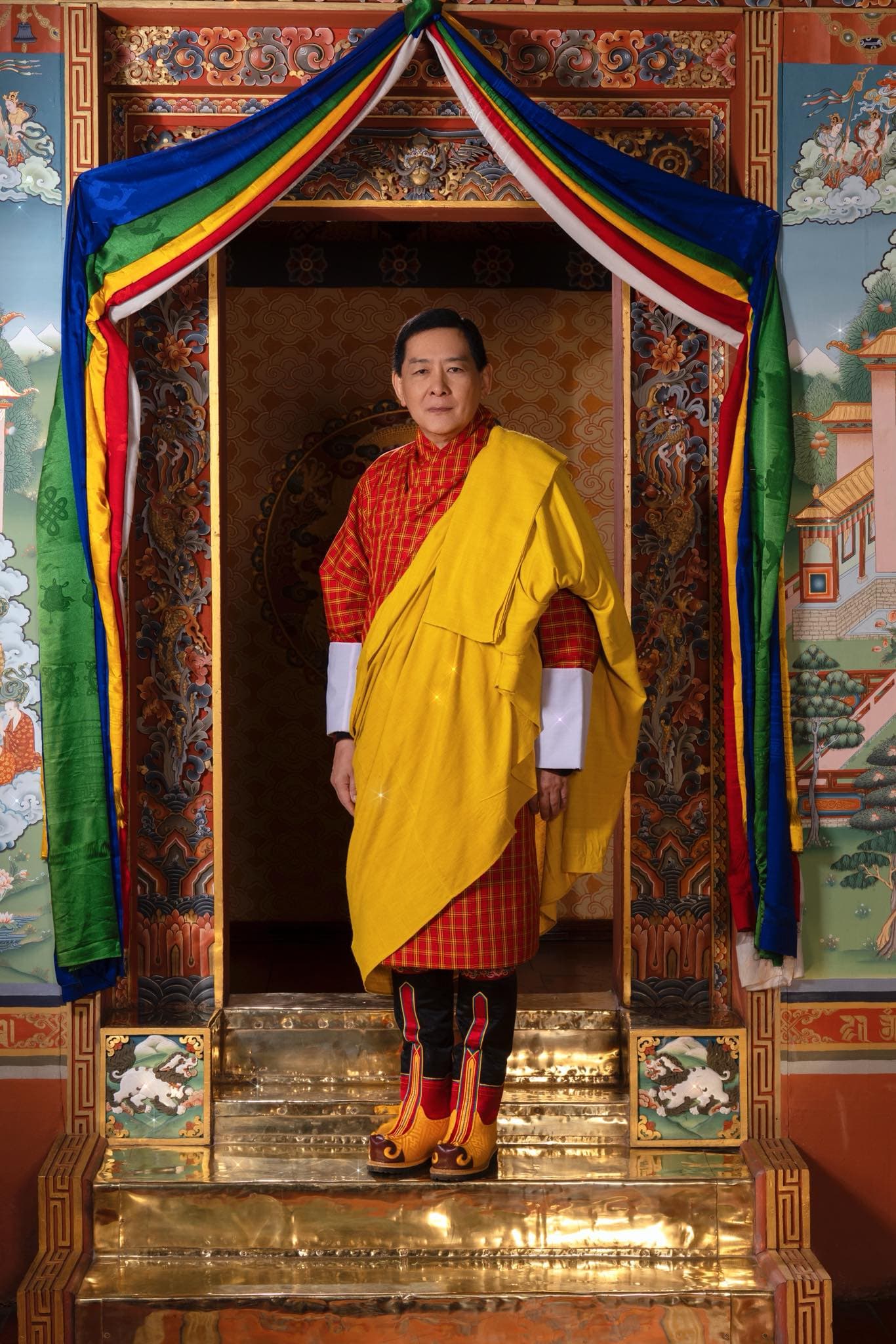
His Majesty Jigme Singye Wangchuck — the Fourth Druk Gyalpo of Bhutan. Articulated Gross National Happiness, opened Bhutan to tourism, voluntary abdication 2006.
Person
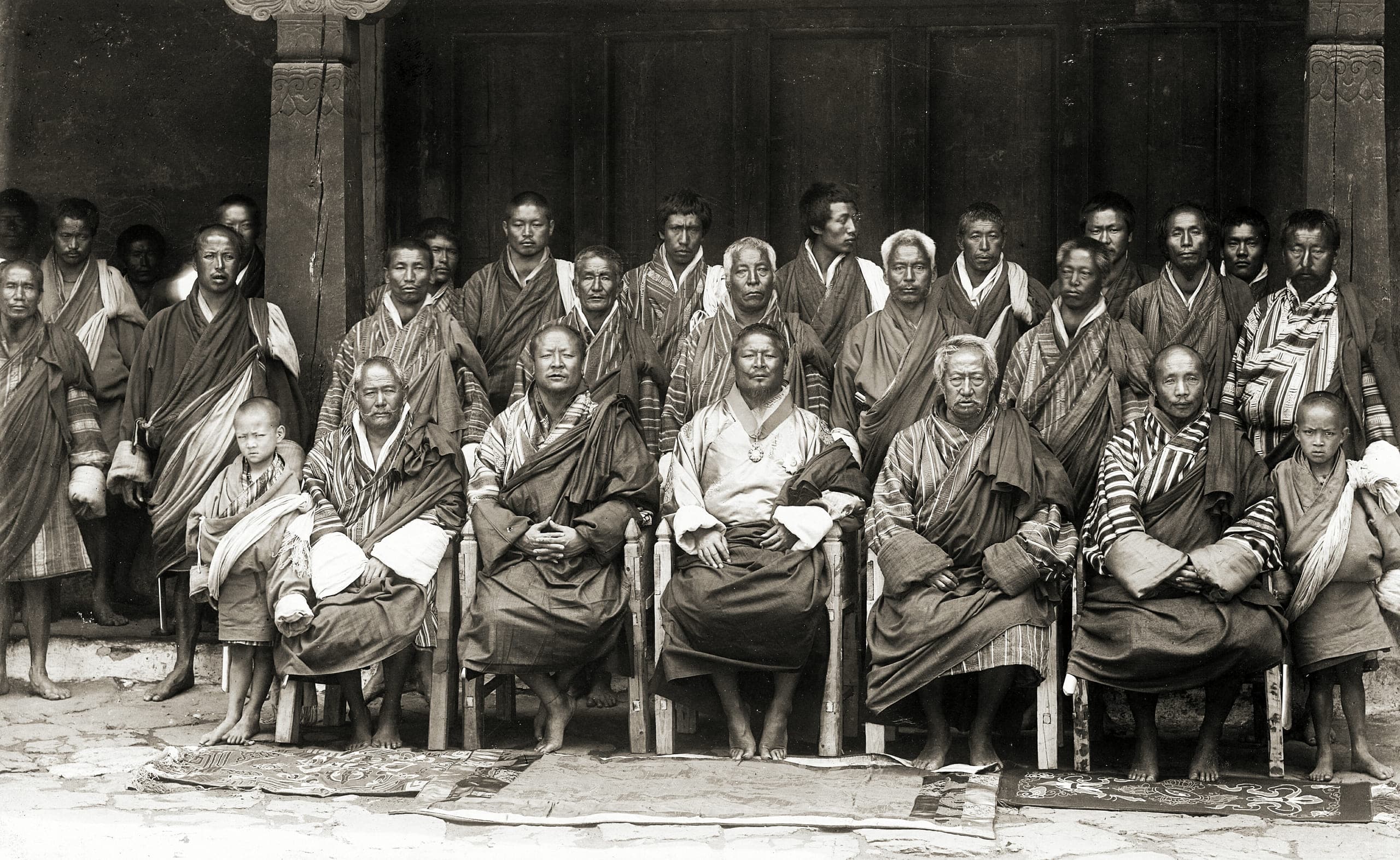
His Majesty Ugyen Wangchuck (1862-1926) — the First Druk Gyalpo of Bhutan, crowned 17 December 1907 at Punakha Dzong. The unifier of the modern Bhutanese state.
What they built
Monument
National Memorial Chorten — Thimphu, 1974, in memory of His Majesty the 3rd King. Architecture, daily pilgrimage, visiting.
Monument
Tashichho Dzong — the seat of Bhutan's central government and Je Khenpo summer residence in Thimphu. History, architecture, visiting.
Five questions. A bespoke draft back within a day or two.