Preparing
LoadingPreparing
LoadingA Bhutanese historical event · Across the kingdom
In the opening years of His reign in the 1950s, His Majesty the Third Druk Gyalpo Jigme Dorji Wangchuck abolished slavery and serfdom across Bhutan — institutions that had existed since the 17th-century Zhabdrung period. The reform was undertaken by Royal kasho; freed individuals were required to settle in new gewogs (rather than remain in their previous regions) and were forbidden from taking property; landlords were not antagonised and the transition operated without serious social disruption. The Royal Government's secondary-school history records that 'a revolutionary transition took place in a mere few years' — the structural transformation of Bhutanese society into a fundamentally egalitarian register that the contemporary country still operates within.
Slavery and serfdom had existed in Bhutan since the 17th-century period of Zhabdrung Ngawang Namgyal, when the Bhutanese state was first unified under the Choesi dual-system framework. The institutional structure included two principal categories: serfs (bonded labour attached to the dzongs, monasteries, and noble households, with hereditary obligations passed across generations) and slaves (typically prisoners of war from the southern frontier conflicts, or individuals who had defaulted on substantial debts). The combined population of these bonded categories was a significant fraction of the country's labour force across the 18th and 19th centuries. The institutional framework was unchanged through the 1907 founding of the hereditary monarchy and through His Majesty the Second Druk Gyalpo's reign; the reform was the work of His Majesty the Third Druk Gyalpo.
On His ascension to the throne in 1952, His Majesty the Third Druk Gyalpo Jigme Dorji Wangchuck moved quickly. Within His first years of reign, the institutions of slavery and serfdom were abolished by Royal kasho. The legal framework gave freed individuals their personal freedom, but with two structural conditions designed to manage the social transition: freed individuals were required to settle in new gewogs (rather than remain in their previous regions, which would have complicated the landlord relationships) and were forbidden from taking property with them. The conditions were carefully designed to neither destabilise the landholding class (whose cooperation was needed for the broader 1950s reforms) nor leave the freed individuals without a viable economic path. Thousands of freed individuals converged on Dechencholing Palace at Kashinang (north of Thimphu Dzong) for land grants; many settled in the new Thimphu valley as full tax-paying citizens — and the city's growth across the 1950s and 1960s carried the demographic signature of the reform.
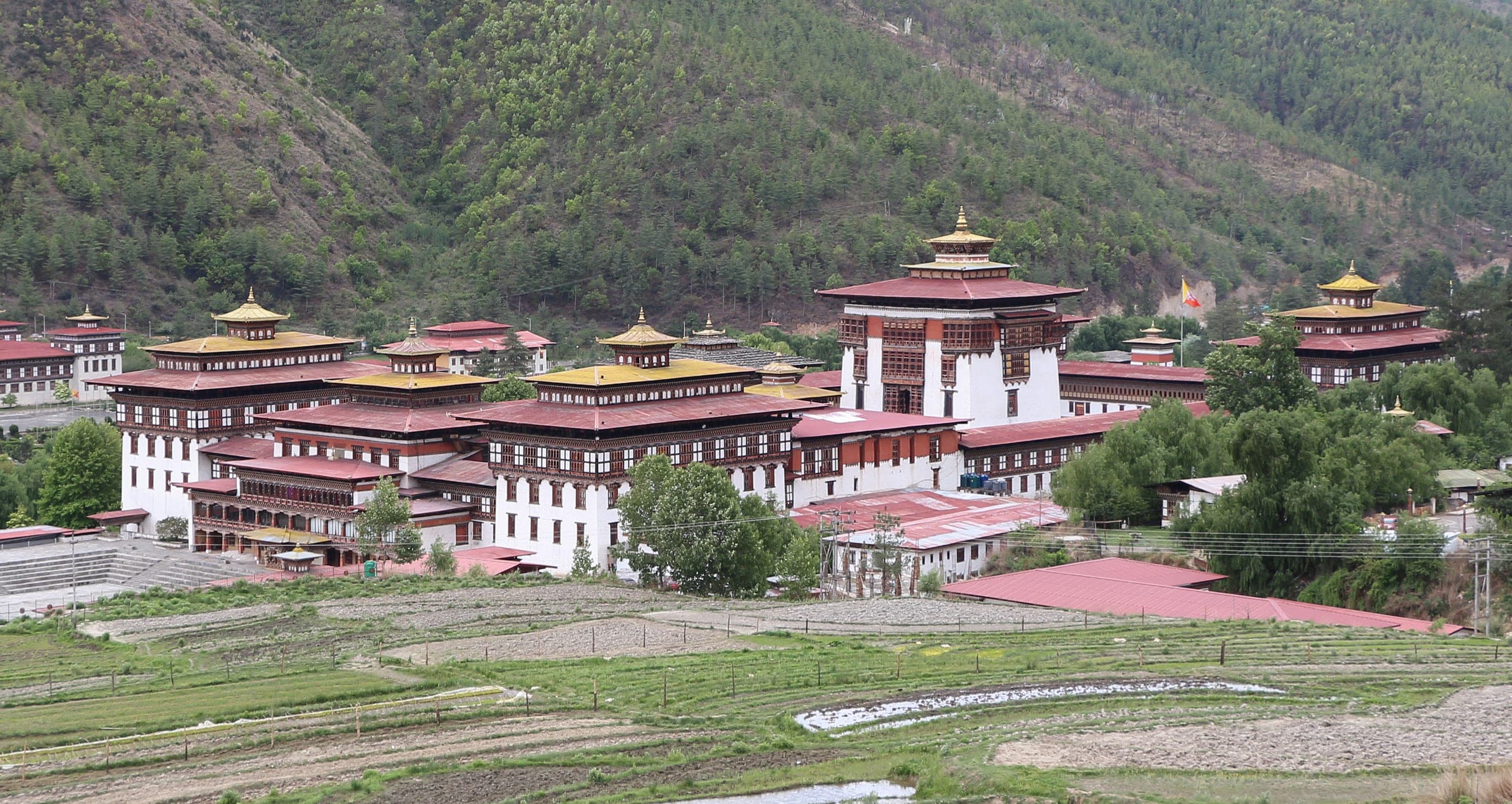
The egalitarian register of contemporary Bhutanese society — visible in the conversations a visitor has with guides, drivers, lodge staff, government officials, monks — is in substantial part the inheritance of the 1950s reform. There is no caste system in Bhutan; the principal social hierarchy is the royal-family register and the broader Drukpa Kagyu religious hierarchy, both of which operate alongside (rather than above) the egalitarian civil society. The Dechencholing Palace at Kashinang, the principal contemporary royal-family residence and the historical site of the land-grant ceremonies, is not on the routine visitor itinerary but its institutional history is part of the broader Wangchuck-dynasty narrative. The Royal Heritage Museum at Trongsa Ta Dzong traces the social-reform period under His Majesty the Third Druk Gyalpo; visitors with a serious interest in Bhutanese institutional history are taken through the period there.
Common questions
The Royal Government's secondary-school history records the reform as having been undertaken 'soon after the ascension' of His Majesty the Third Druk Gyalpo in 1952, but does not specify a single legal date — the reform operated as a sequence of Royal kashos across the early 1950s rather than as a single decree. Secondary academic scholarship has variously cited dates from 1953 to 1956. The reform should be understood as a multi-year social-institutional transition rather than a single legal event.
Not direct compensation, but the structural design of the reform was careful to avoid antagonising the landlord class — freed individuals were required to settle in new gewogs (rather than remain in their previous regions, which would have left landlords without the labour they had relied on) and were forbidden from taking property (which preserved the landlord asset base). The landlord class was substantially affected by the parallel land-ceiling reform, but the abolition itself was designed for institutional continuity rather than against the existing landholding structure.
With deep respect for His Majesty the Third Druk Gyalpo as the modernising King who undertook a social transformation that would have been politically risky in any other context. The Royal Government's secondary-school history treats the reform as one of the principal achievements of His Majesty's reign, alongside the founding of the Tshogdu, the 1958 Nehru visit, the 1961 First Five-Year Plan, and the 1971 UN admission. Among Bhutanese citizens, the reform is part of the foundational narrative of the contemporary state — the moment Bhutanese society became structurally egalitarian.
Who was there
Person
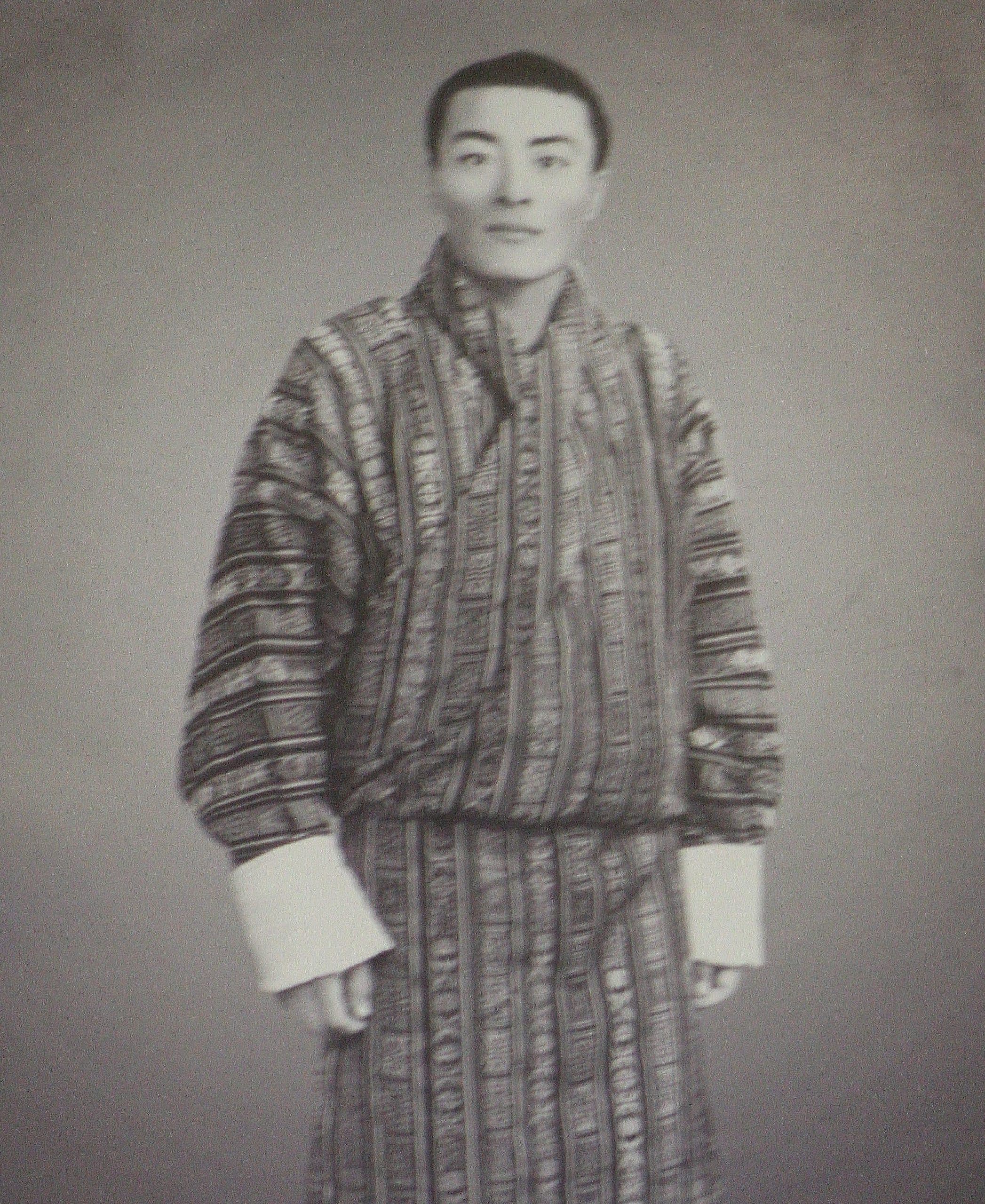
His Majesty Jigme Dorji Wangchuck (1929-1972) — the Third Druk Gyalpo of Bhutan. The modernising king who abolished slavery, established the National Assembly, and led UN admission.
Person
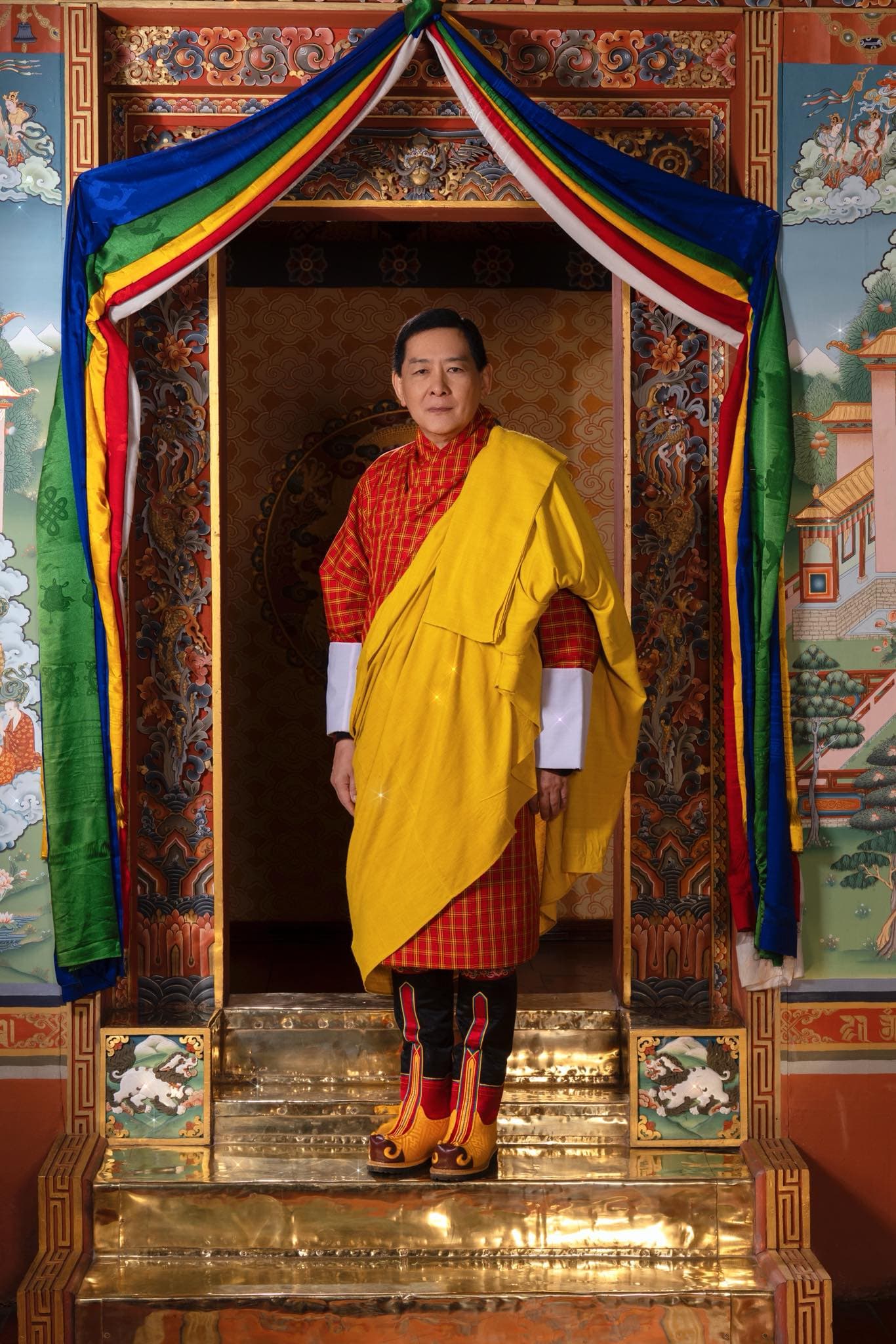
His Majesty Jigme Singye Wangchuck — the Fourth Druk Gyalpo of Bhutan. Articulated Gross National Happiness, opened Bhutan to tourism, voluntary abdication 2006.
What followed
Event
The Founding of the Tshogdu — Bhutan's National Assembly, established 1953 by His Majesty the Third Druk Gyalpo. The starting point of the constitutional-democracy arc.
Event
Prime Minister Nehru's Visit to Bhutan — 1958. The first foreign-state visit; the diplomatic exchange that opened Bhutan to the 20th-century world.
Event
The First Five-Year Plan — Bhutan's modernisation arc launches 1961-66. 1,700 km of roads, India-financed, the founding act of the modern Bhutanese state.
Five questions. A bespoke draft back within a day or two.