Preparing
LoadingPreparing
Loading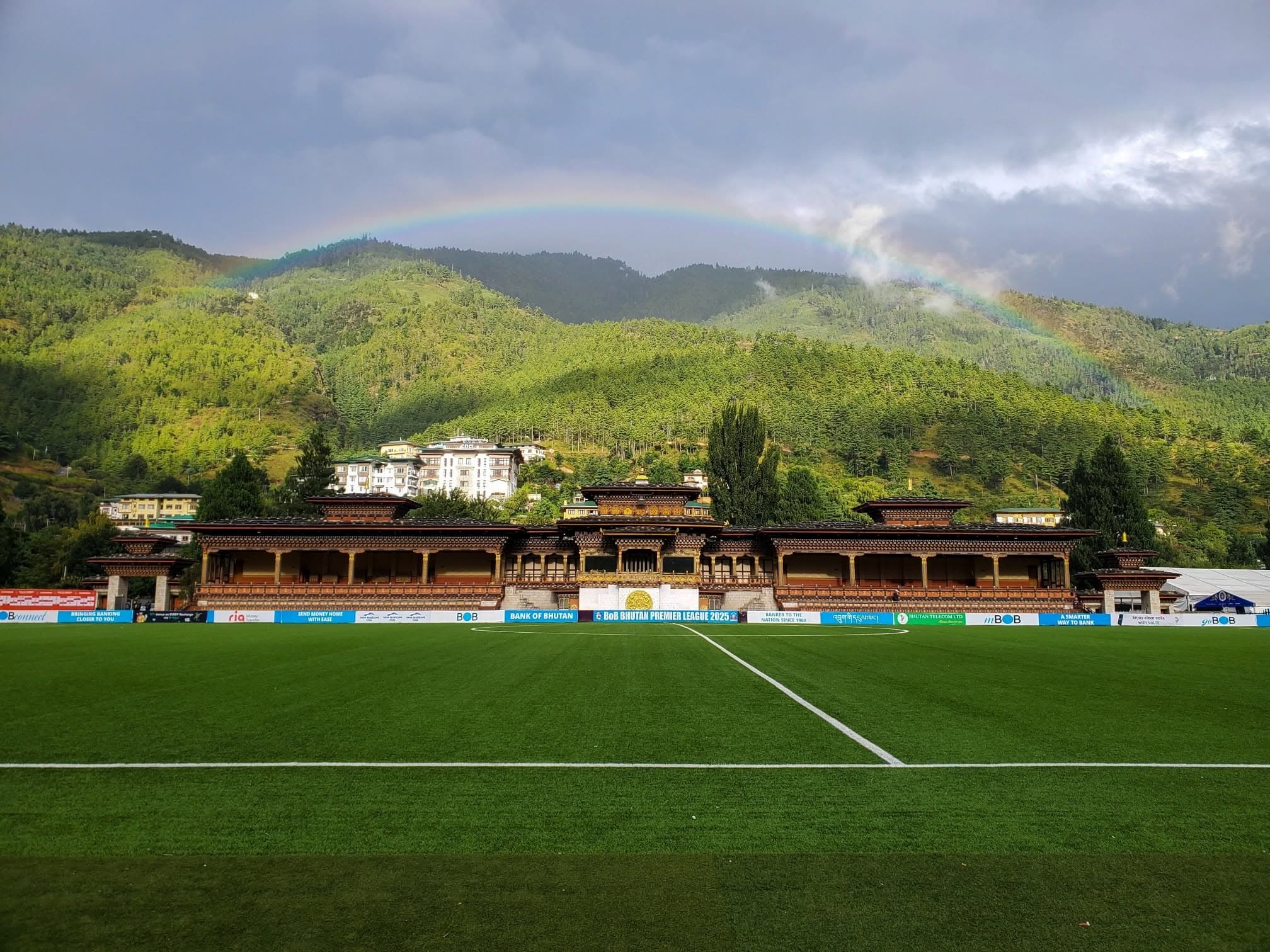
A Bhutanese historical event · Changlimithang ground, Thimphu
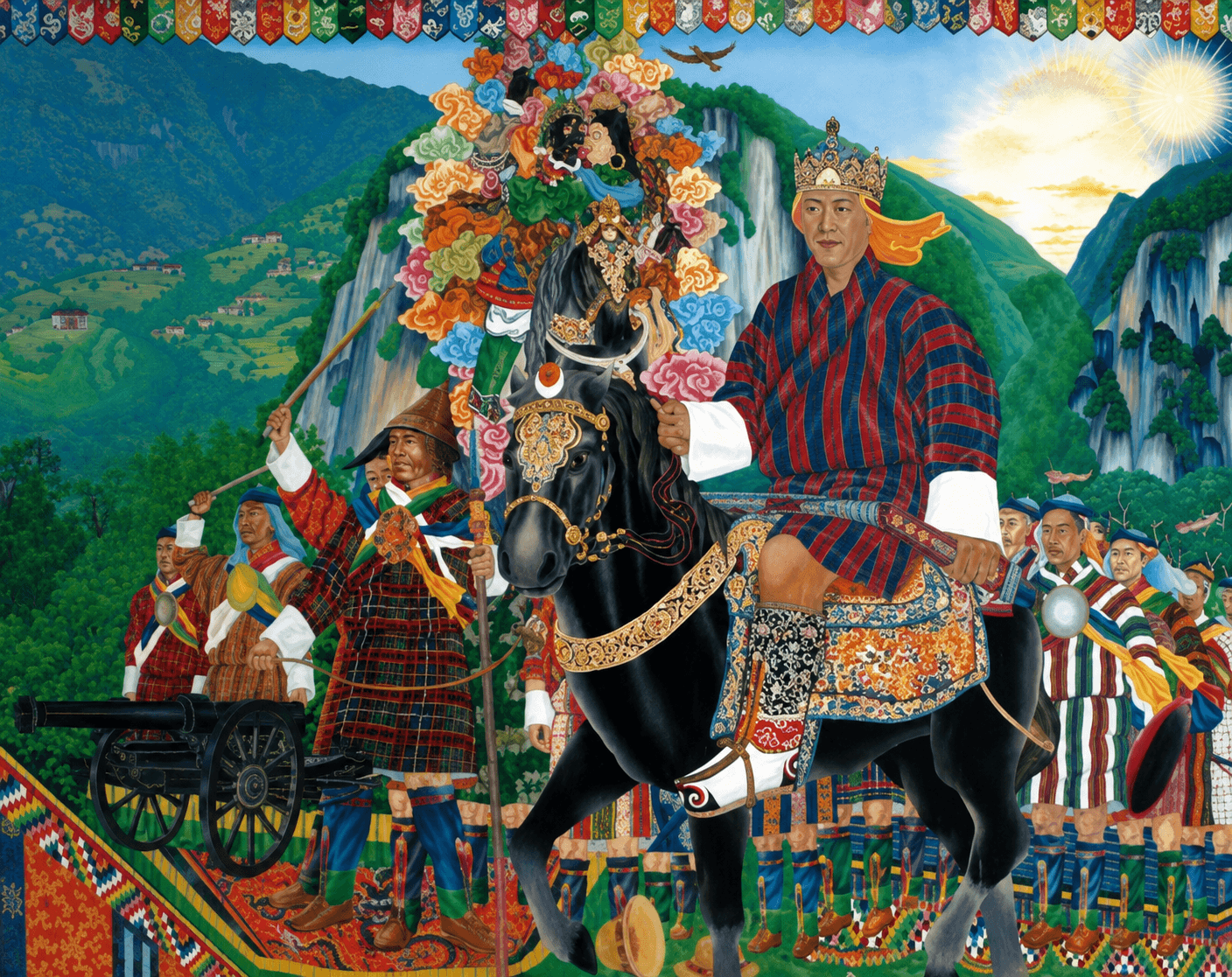
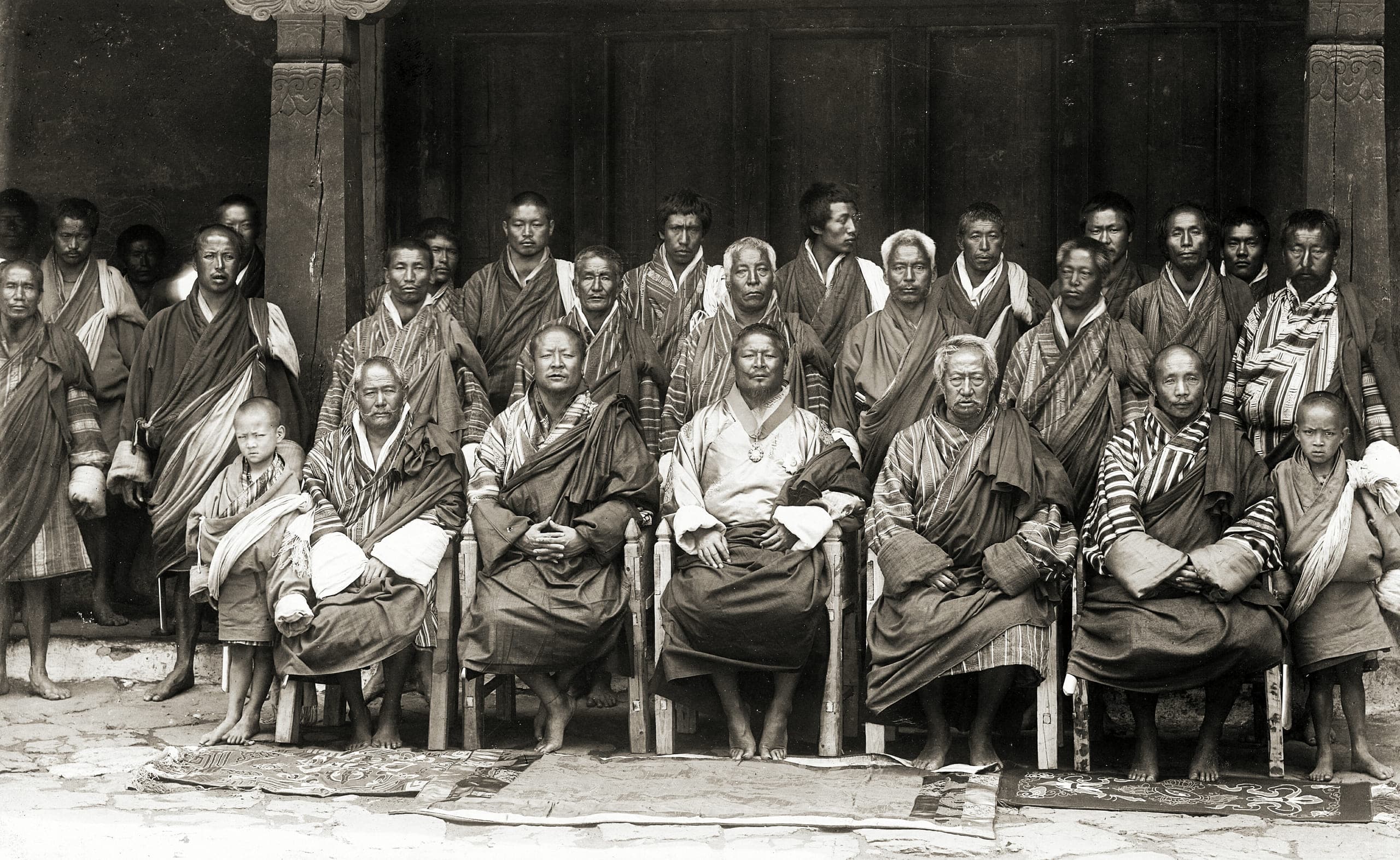
In February 1885 a confrontation at Changlimithang in Thimphu — between His Majesty Ugyen Wangchuck (then Trongsa Poenlop and Paro Poenlop) and a rival faction led by his adoptive brothers Phuentsho Dorji and Alu Dorji — ended a generation of civil conflict in Bhutan. The decisive moment came during an attempted mediation meal at Changlimithang: a scuffle among junior attendants escalated; Phuentsho Dorji was killed by Paro Poenlop Dawa Penjor; Alu Dorji fled to Tibet; His Majesty took control of Tashichoedzong. The 1885 settlement is the principal consolidation event between Trongsa Poenlop Jigme Namgyel's death in 1881 and the 1907 founding of the hereditary monarchy.
The 1881 death of Trongsa Poenlop Jigme Namgyel — the paramount political figure of Bhutan across the previous two decades — left an uneasy succession question. His Majesty Ugyen Wangchuck, then nineteen, had been installed as Paro Poenlop in 1879 by his father. The Trongsa Poenlop seat had passed temporarily to Singye Namgyal; Phuentsho Dorji (the adoptive son of Trongsa Poenlop Jigme Namgyel, born the same day and time as His Majesty Ugyen Wangchuck) had been appointed Punakha Dzongpoen; Alu Dorji had been appointed Thimphu Dzongpoen. In the early 1880s, after His Majesty Ugyen Wangchuck's mother Ashi Pema Choeki implored him to avenge the assassination of His maternal uncle, His Majesty marched on Bumthang, surprised and killed Singye Namgyal at Jakar Dzong, and assumed the Trongsa Poenlop seat — making Him the paramount figure in the country by the early 1880s. The Punakha and Thimphu Dzongpoens, Phuentsho Dorji and Alu Dorji, viewed His ascent as a threat to their own positions.
In late 1884 Phuentsho Dorji and Alu Dorji unilaterally nominated their own candidate for the Druk Desi seat without consulting the Lhengye Tshog or the Central Monk Body. The move was a direct challenge to His Majesty Ugyen Wangchuck's institutional authority. Plans were laid for an assassination attempt against His Majesty; a loyal droenyer reported the conspiracy. In February 1885, His Majesty Ugyen Wangchuck mobilised 2,140 troops and marched on Punakha. The Je Khenpo and four lopoens attempted mediation; His Majesty refused — He had sworn a sacred oath committing His own life to the guardian deities if His cause was not just. Engagements followed at Mendagang, Bjiligang above Punakha Dzong, Simtokha, and Lungtenphu. The Je Khenpo proposed a meeting at Changlimithang in Thimphu to negotiate a settlement.
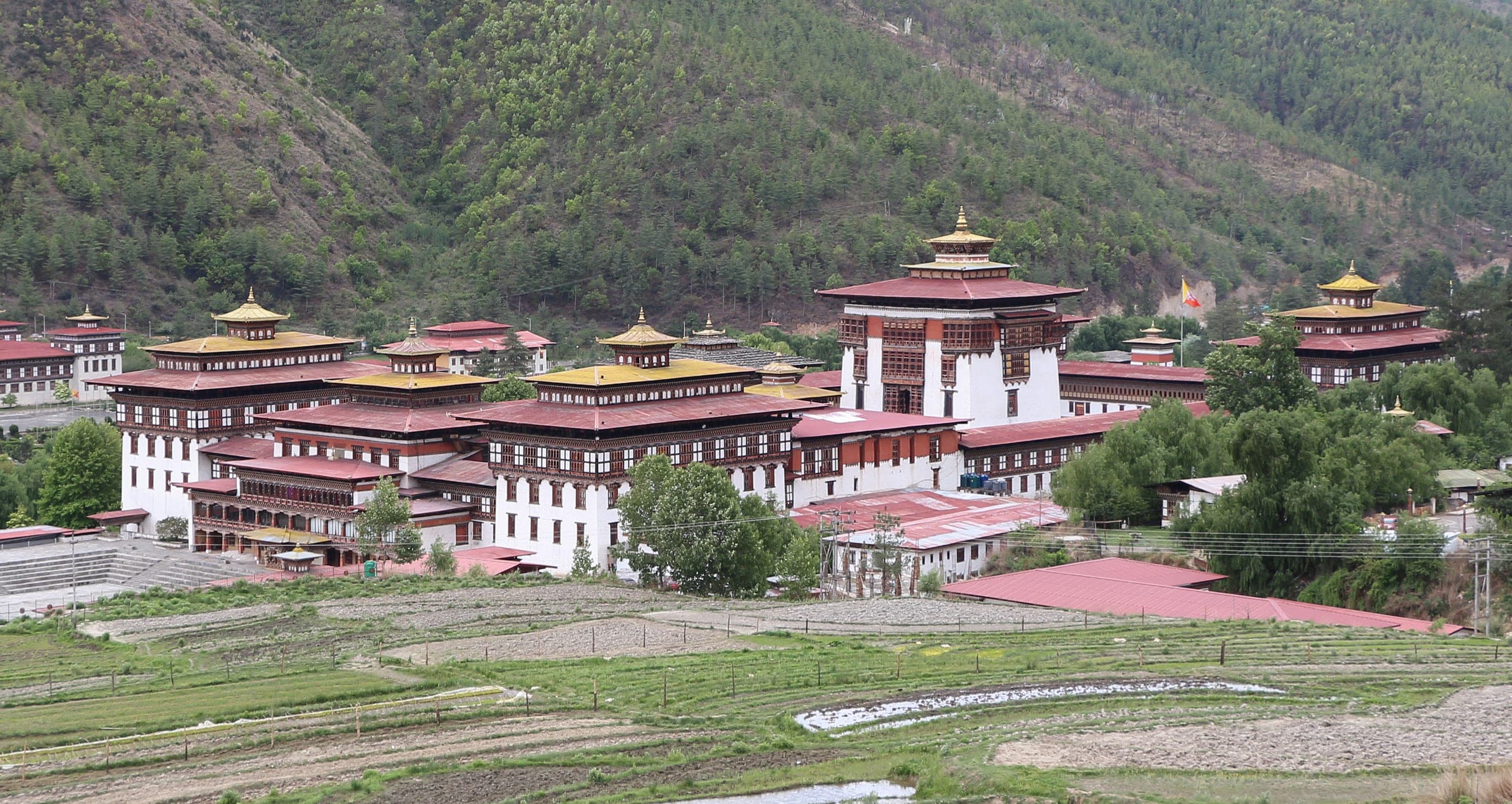
The two sides met at Changlimithang ground in Thimphu — the same ground that would later become the principal ceremonial space of the modern Bhutanese state. During the mid-day meal, a scuffle broke out among junior attendants; an old veteran drew a sword; the fighting escalated. Phuentsho Dorji was killed on the spot by Paro Poenlop Dawa Penjor, His Majesty Ugyen Wangchuck's representative. Alu Dorji fled to Tibet with his family. His Majesty took Tashichoedzong without further resistance; the loyalist Yangpai Lopoen Sangay Dorji was installed as Druk Desi; His Majesty assumed the additional Gongzim post (chamberlain) on top of His Trongsa Poenlop seat. The Changlimithang settlement effectively ended the long period of internal feuds and civil wars that had plagued Bhutan since the start of the 19th century — and made His Majesty the paramount and effectively undisputed authority across the country.
Changlimithang — the historical ground in the centre of Thimphu where the 1885 settlement took place — is now the principal ceremonial space of contemporary Bhutan. The Changlimithang Stadium hosts the National Day commemoration each 17 December, the major Bhutanese archery tournaments, the National Football Stadium events, and the principal state ceremonies (His Majesty the Fourth Druk Gyalpo's coronation in 1974 took place at Changlimithang; the 2008 coronation of His Majesty the Fifth Druk Gyalpo was also at Changlimithang). The continuity is intentional — the ground where the 19th-century civil-war period ended is the ground where the modern state celebrates its institutional milestones. Visitors with a serious interest in the consolidation story are taken through the ground itself; visitors attending the Thimphu Tshechu in autumn will often see archery matches at Changlimithang the same week.
Common questions
The principal Bhutanese ceremonial ground in the centre of Thimphu. Changlimithang Stadium hosts the National Day each 17 December, the major Bhutanese archery tournaments (the national sport), state ceremonies including the 1974 and 2008 royal coronations, and football matches. The ground has been the principal Bhutanese national-event space for the entire modern period; the choice of the 1885 settlement site as the contemporary ceremonial ground is a deliberate continuity.
Without the Changlimithang settlement, His Majesty Ugyen Wangchuck would not have been the undisputed paramount authority across the country when the Lhengye Tshog convened in 1907 to elect the first hereditary King. The 1885 consolidation made the unanimous 1907 election possible — the country needed a single figure with effective authority across the dzongkhags, and the 1885 settlement established His Majesty Ugyen Wangchuck as that figure for the twenty-two years between Changlimithang and the Punakha coronation.
The historical sources are clear that the killing happened during a scuffle at the mediation meal — an escalation among junior attendants that drew in the principals, rather than a planned execution. The Royal Government's secondary-school history treats the killing as a consequence of the broader confrontation rather than as a deliberate act by His Majesty. Paro Poenlop Dawa Penjor was the immediate actor; the broader context was the conspiracy against His Majesty's life that had triggered the February campaign in the first place.
Who was there
Person
Trongsa Poenlop Jigme Namgyel (1825-1881) — the Black Regent, architect of united Bhutan, father of His Majesty the First Druk Gyalpo. The principal pre-monarchy figure.
Person
His Majesty Ugyen Wangchuck (1862-1926) — the First Druk Gyalpo of Bhutan, crowned 17 December 1907 at Punakha Dzong. The unifier of the modern Bhutanese state.
Where it stands now
Monument
Tashichho Dzong — the seat of Bhutan's central government and Je Khenpo summer residence in Thimphu. History, architecture, visiting.
Monument
Punakha Dzong — the Palace of Great Happiness, founded 1638. The history, the architecture, what to expect on a visit.
Monument
Trongsa Dzong — the ancestral seat of the Wangchuck dynasty, the largest dzong in Bhutan. History, the Royal History Museum, visiting.
What followed
Event
The Duar War 1864-65 — the foundational Bhutan-British conflict over the Assam-Bengal Duars. Ended by the Treaty of Sinchula; the principal 19th-century Bhutanese-foreign war.
Event
The Oath of Allegiance — 17 December 1907 at Punakha Dzong. The founding document of the Wangchuck dynasty, sealed in red with the Nga Chudrugma seal of the Zhabdrung.
Event
The Treaty of Punakha — 8 January 1910. Replaced Sinchula; doubled the British subsidy; framed external affairs. The Bhutan-British India framework until 1949.
Five questions. A bespoke draft back within a day or two.