Preparing
LoadingPreparing
Loading
A Bhutanese historical event · Deothang and the Duars belt (southern Bhutan / Assam-Bengal frontier)
The Duar War of 1864-65 was the foundational conflict between Bhutan and British India over the Duars — the fertile foothill belt running along Bhutan's southern frontier. The war began when an Ashley Eden mission to Punakha collapsed in November 1864 under personal hostility from Trongsa Poenlop Jigme Namgyel; the British declared war; on 27 January 1865, after losing the first encounter at Deothang, Trongsa Poenlop Jigme Namgyel regrouped and routed a British column, capturing two field cannons. The war ended on 11 November 1865 with the Treaty of Sinchula — Bhutan ceded the Duars but received the annual British subsidy that funded the early state. The peace held until Indian independence in 1947.
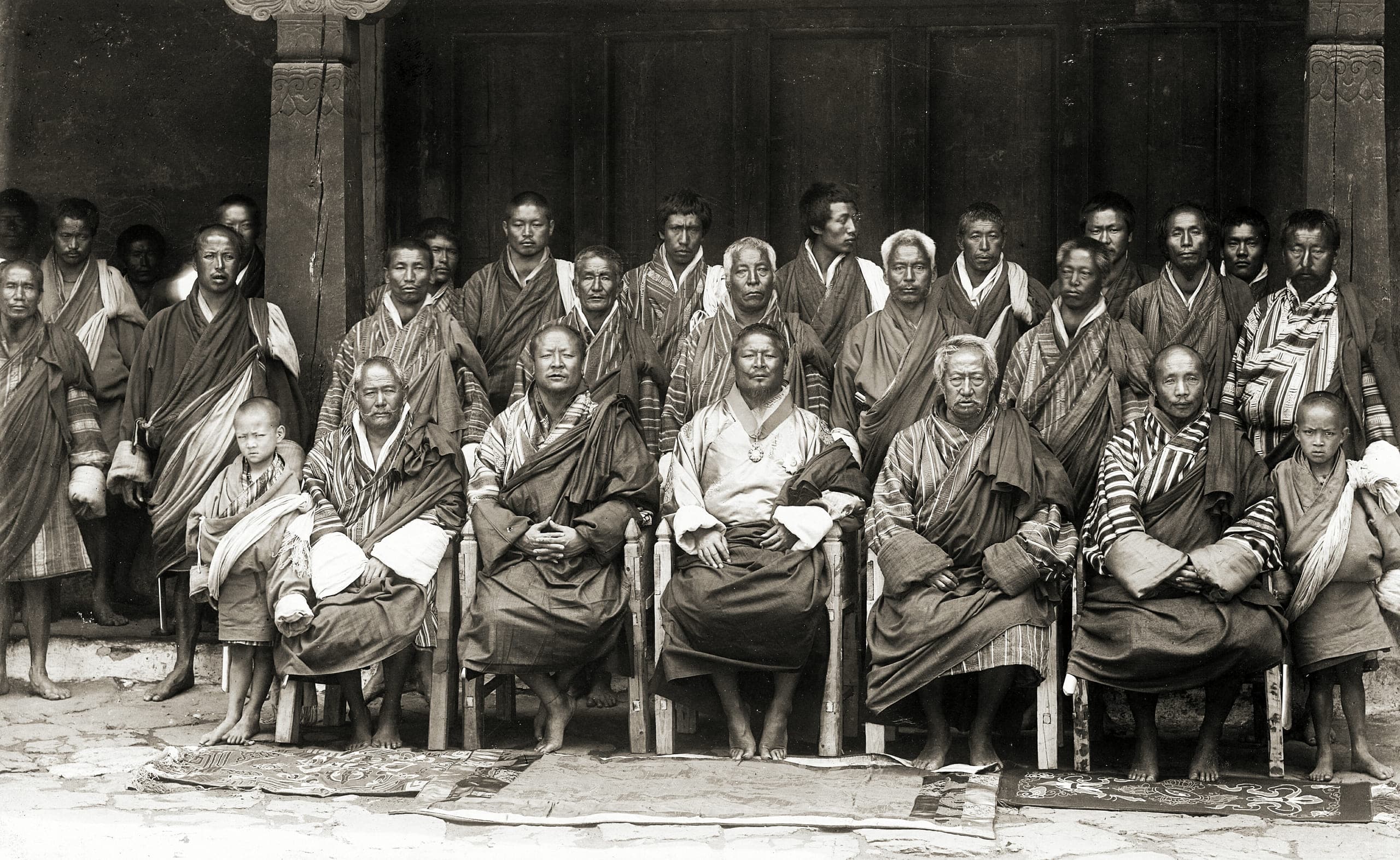
The Duar War was the principal 19th-century conflict between Bhutan and the British Empire in India. The Duars — the fertile foothill plains running along Bhutan's southern frontier, from the eastern Assam Duars (eighteen separate Duars, ceded earlier in 1841 under negotiated annexation) to the western Bengal Duars (eleven Duars, still contested) — were the principal economic and political question between the two states across the mid-19th century. In November 1864 the British despatched a mission under the Hon'ble Ashley Eden to Punakha to negotiate a final settlement; the mission was treated with marked discourtesy by Trongsa Poenlop Jigme Namgyel, then the paramount political figure of the country, and his ally Darlung Tobgye (who famously threw a piece of dhoma — chewed betel-and-areca — at the British doctor). The mission collapsed on 12 November 1864; the British declared war.
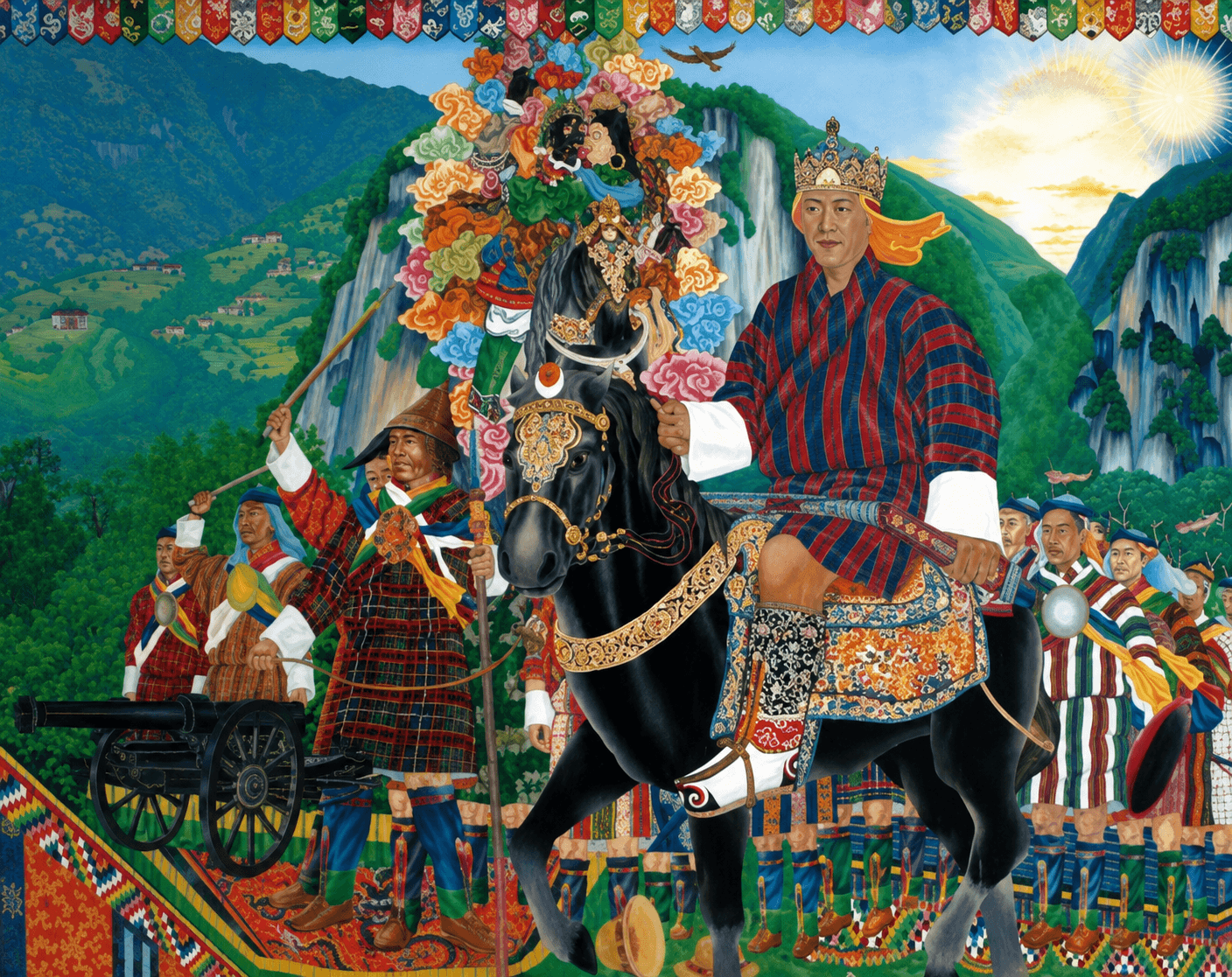
The pivotal engagement of the war took place at Deothang on 27 January 1865. The British column advanced from the Assam plain into the southern Bhutanese foothills; the first encounter went against Bhutan — the Jakar Poenlop was killed in the initial engagement. But Trongsa Poenlop Jigme Namgyel regrouped his forces and counter-attacked with substantial discipline: the British column was routed, hundreds of British soldiers were taken prisoner, and the Bhutanese captured two British field cannons — a tactical outcome that, given the substantial technological gap between the two armies, was treated by the British as a humiliating reversal. The Deothang outcome shaped the eventual treaty terms; the British accepted that further military action would be prohibitively costly given the terrain and Bhutanese determination, and opened negotiations.
On 11 November 1865 the Treaty of Sinchula was signed, ending the war. Bhutan ceded all the Bengal Duars to British India (the eastern Assam Duars had been ceded earlier in 1841). In exchange Bhutan received an annual British subsidy of fifty thousand rupees — the principal external revenue stream of the early Bhutanese state across the following four decades. The treaty also established free trade with British India and a framework for future bilateral engagement. The peace held until 1947, when Indian independence required a new treaty (the 1949 Bhutan-India Treaty of Friendship, which incorporated the return of thirty-two square kilometres of Deothang territory to Bhutanese sovereignty — a partial undoing of the 1865 cession). See the Treaty of Sinchula and the 1949 Bhutan-India Treaty for the broader settlement arc.
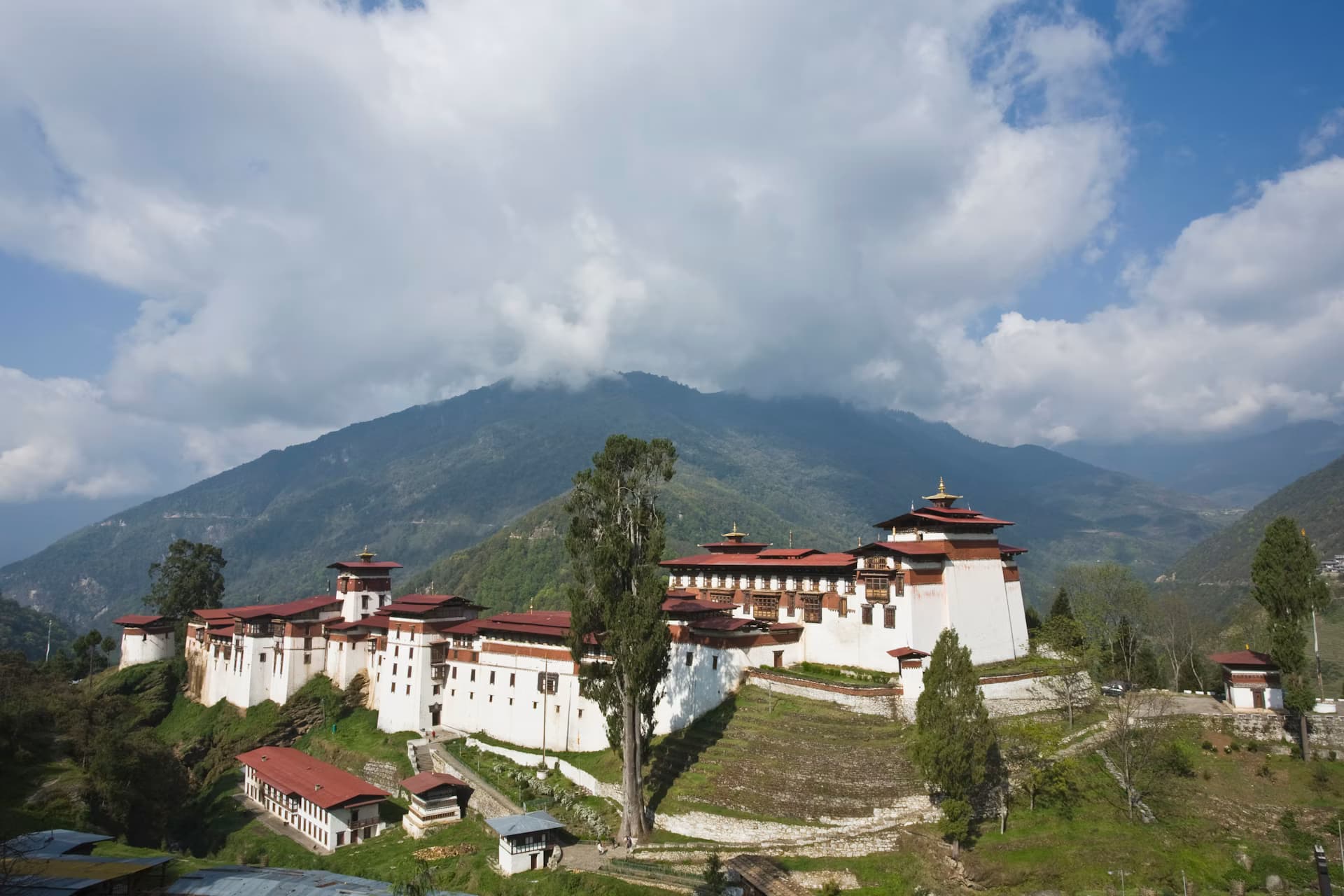
The Duar War is the principal 19th-century event in the Bhutanese national narrative — the moment the country defined its southern frontier in negotiation with a paramount imperial power, retained its sovereignty, and secured the external revenue stream that funded the early state. Trongsa Poenlop Jigme Namgyel's leadership during the war is the canonical illustration of the pre-monarchy consolidation that would, four decades later, allow His son His Majesty Ugyen Wangchuck to be crowned the First Druk Gyalpo. The two captured British cannons — the Deothang cannons — are part of the national memory; visitors with a serious interest in the history will find them referenced in the Royal Heritage Museum at Trongsa Ta Dzong. The Duars themselves remain Indian territory today, but the contemporary Bhutan-India border at Phuentsholing-Jaigaon is the direct descendant of the 1865 settlement.
Common questions
Who was there
Person
Trongsa Poenlop Jigme Namgyel (1825-1881) — the Black Regent, architect of united Bhutan, father of His Majesty the First Druk Gyalpo. The principal pre-monarchy figure.
Person
His Majesty Ugyen Wangchuck (1862-1926) — the First Druk Gyalpo of Bhutan, crowned 17 December 1907 at Punakha Dzong. The unifier of the modern Bhutanese state.
What followed
Event
The Treaty of Sinchula — 11 November 1865. Ended the Duar War, ceded the Bengal Duars, established the annual British subsidy that funded the early Bhutanese state.
Event
The Bhutan-India Treaty of Friendship — signed 8 August 1949 in Darjeeling. The foundational bilateral framework. Revised 2007.
Event
The Oath of Allegiance — 17 December 1907 at Punakha Dzong. The founding document of the Wangchuck dynasty, sealed in red with the Nga Chudrugma seal of the Zhabdrung.
The wider idea
Theme
The Wangchuck dynasty — the hereditary monarchy of Bhutan since 17 December 1907. Five reigning monarchs across five generations. The contemporary state's institutional spine.
Theme
Bhutan-India relations — the foundational bilateral relationship. 1949 Treaty, hydropower partnership, ngultrum-rupee parity, the open border. The contemporary partnership.
Five questions. A bespoke draft back within a day or two.