- Is the Punakha Winter Trek really accessible in December and January?
- Yes — the Punakha valley at 1,200-2,000 metres stays warm across the deep winter window. Daytime temperatures typically 15-22°C, overnight 2-8°C. The high-altitude treks (Snowman, Chomolhari, Druk Path, Dagala) are all closed in this window; the Punakha Winter Trek is the principal accessible multi-day option.
- Why is the trek classified as Easy?
- Maximum altitude 2,000m (well below the altitude-challenge threshold). Daily distances are around 14 km each on well-defined trail; the distance is what gives the trek its character. The lower altitude makes the walking comfortable even in mid-winter. Visitors travelling with older or younger walkers, or those who simply prefer the lower-altitude, find the Punakha Winter Trek a natural fit.
- What's the photographic register?
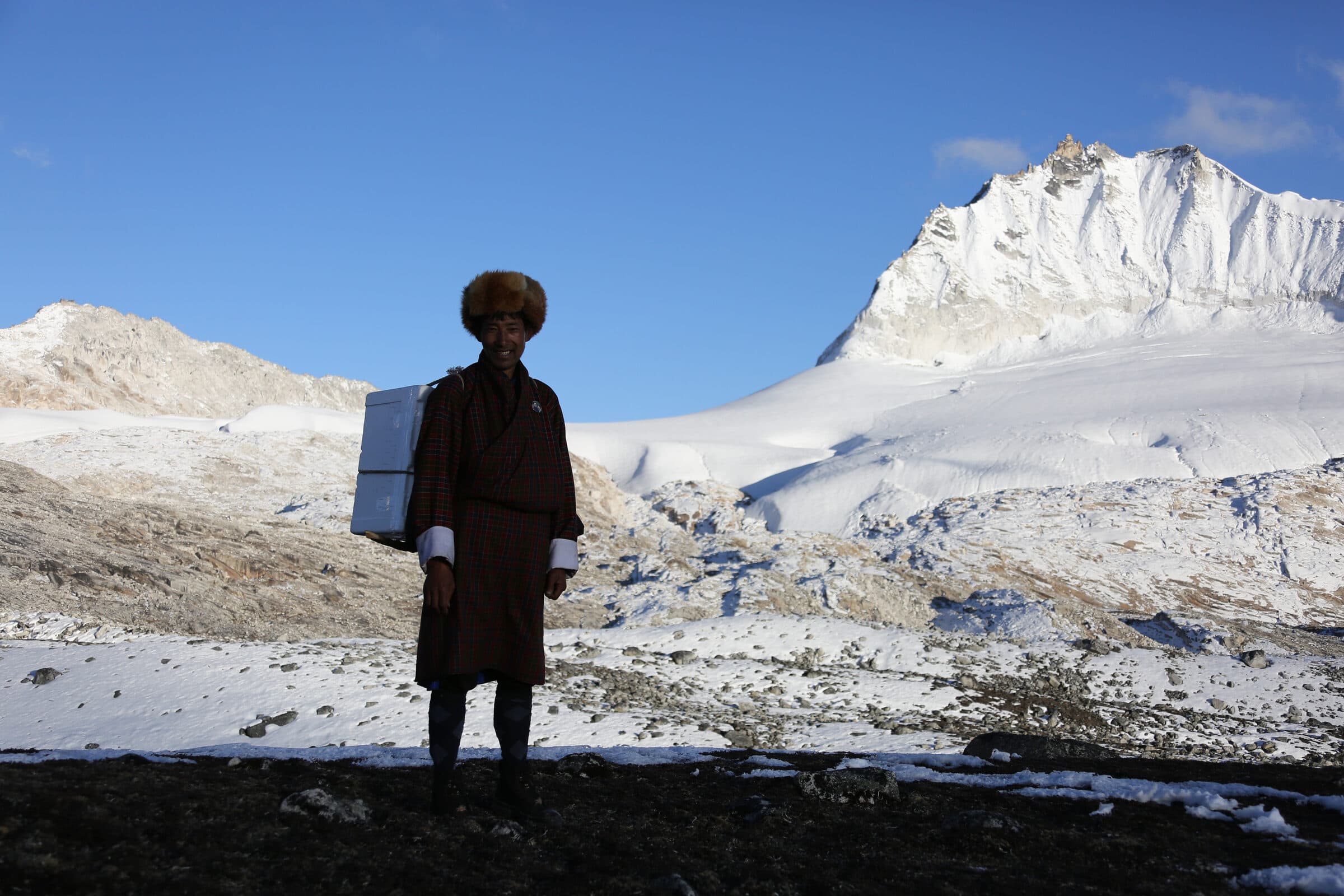
- The Punakha valley in winter is particularly photogenic — the rice fields golden after harvest, the prayer flags vivid against bright blue winter sky, the Mo Chhu and Pho Chhu confluence at its photographic peak. The deep clear-sky December-February window gives the most reliable visibility for the surrounding ridges; the broader Himalayan panorama is not visible from Punakha (the high ridges block the view), but the valley register itself is the principal subject.
- Can I do the Punakha Winter Trek with kids?
- Yes — the trek is well-suited for family groups including older children (8+). The low altitude, the moderate distances, the village stays, and the cultural-density along the route make it one of the most family-accessible multi-day options in Bhutan. Younger children may prefer to stay at the Punakha lodges and join for day-walks rather than the full multi-day trek.
- Where do I sleep on the trek?
- Days 1-2 in simple lodges or farmstays (Limukha has a community-supported farmstay arrangement). Pre- and post-trek at the Punakha premium lodges (Amankora Punakha, COMO Uma Punakha, Six Senses Punakha, Dhensa Boutique Resort).