Preparing
LoadingPreparing
Loading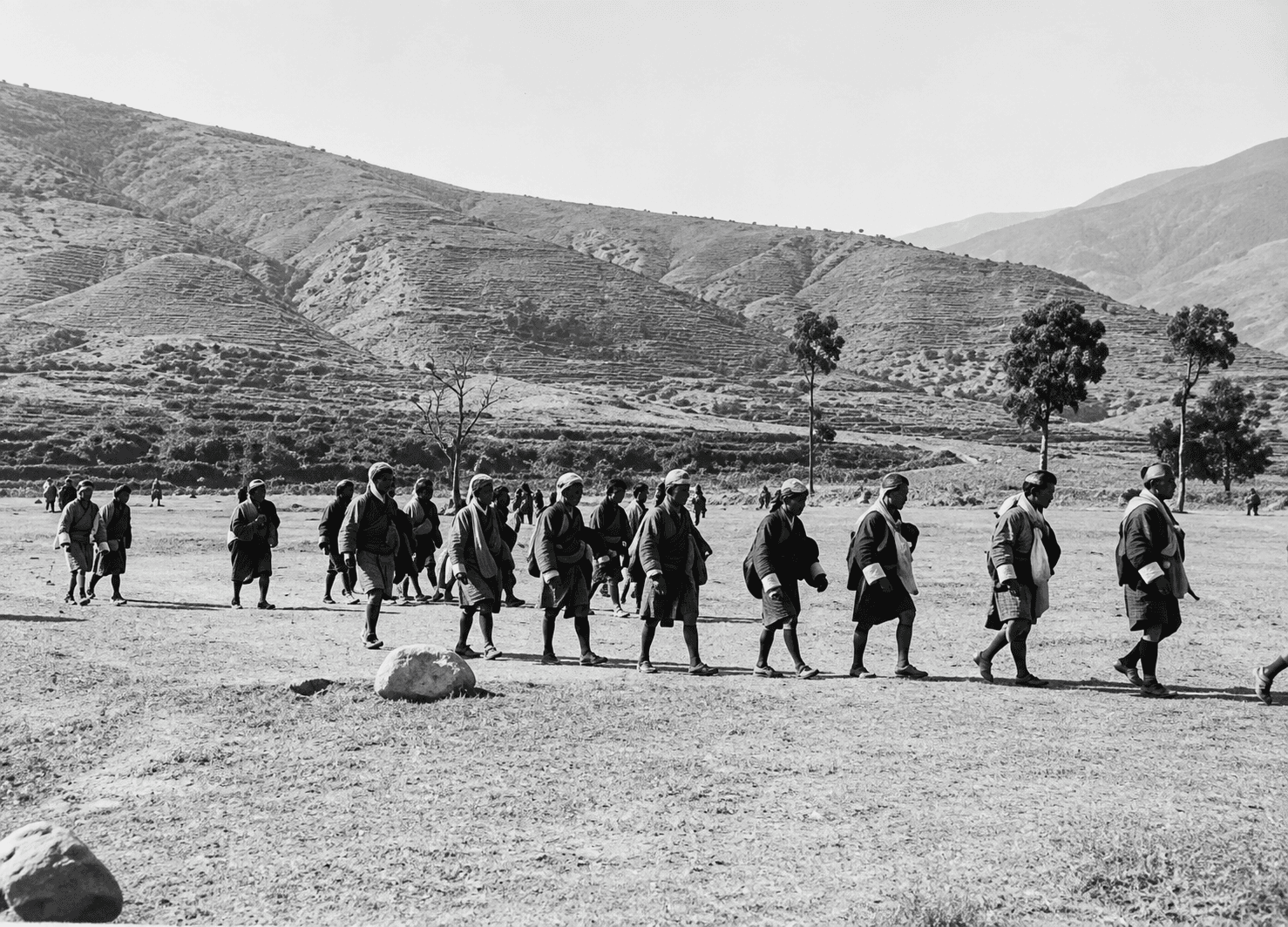
A Bhutanese historical event · Sinchula, on the Indo-Bhutan frontier
On 11 November 1865, the Treaty of Sinchula was signed at Sinchula on the Indo-Bhutan frontier, ending the Duar War between Bhutan and British India. Bhutan ceded the Bengal Duars (eleven Duars) to British India — confirming the earlier 1841 cession of the eighteen Assam Duars — and in exchange received an annual British subsidy of fifty thousand rupees, the principal external revenue stream of the early Bhutanese state. The treaty held for forty-five years until the 1910 Treaty of Punakha replaced it, and the broader settlement framework lasted until Indian independence in 1947.
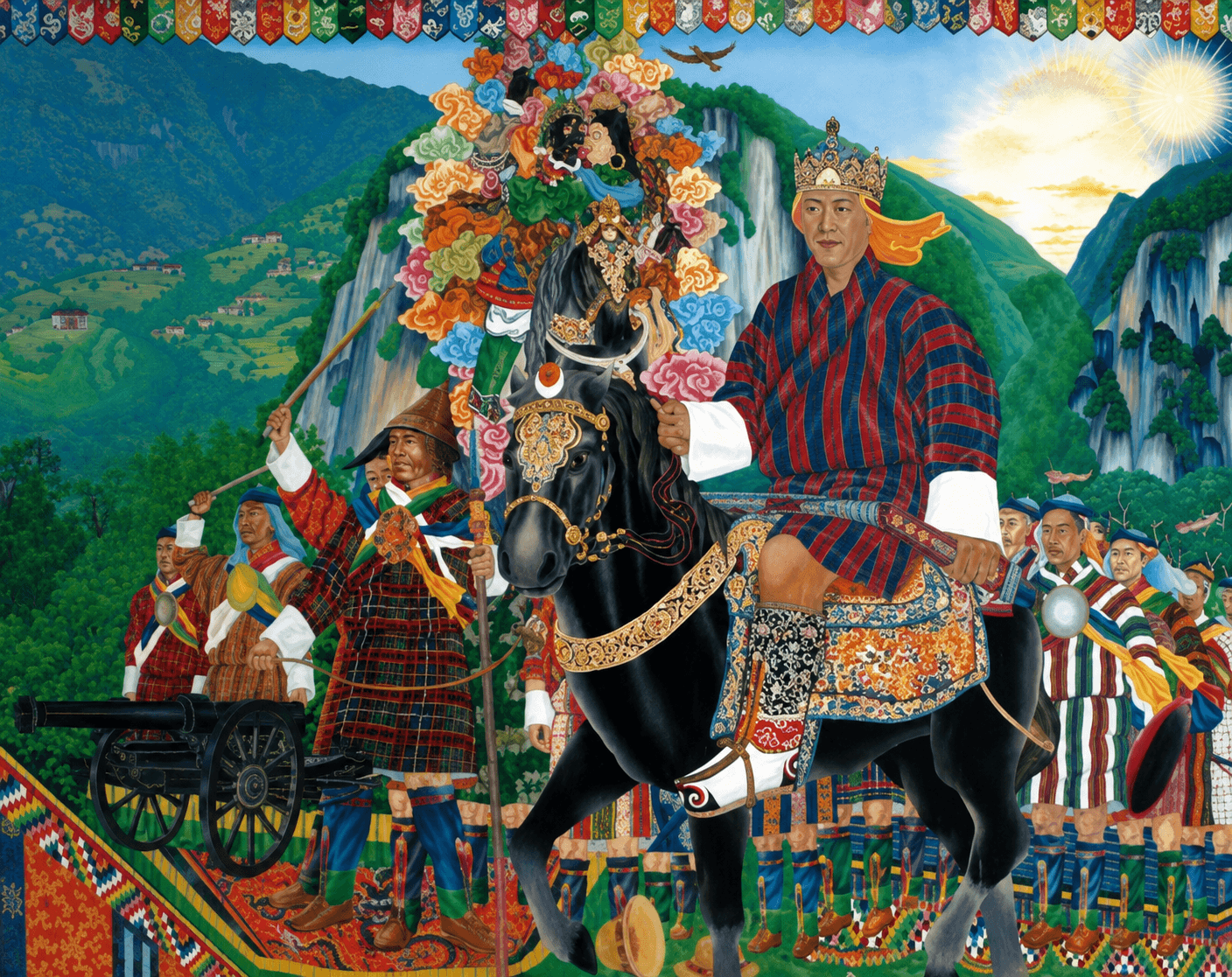
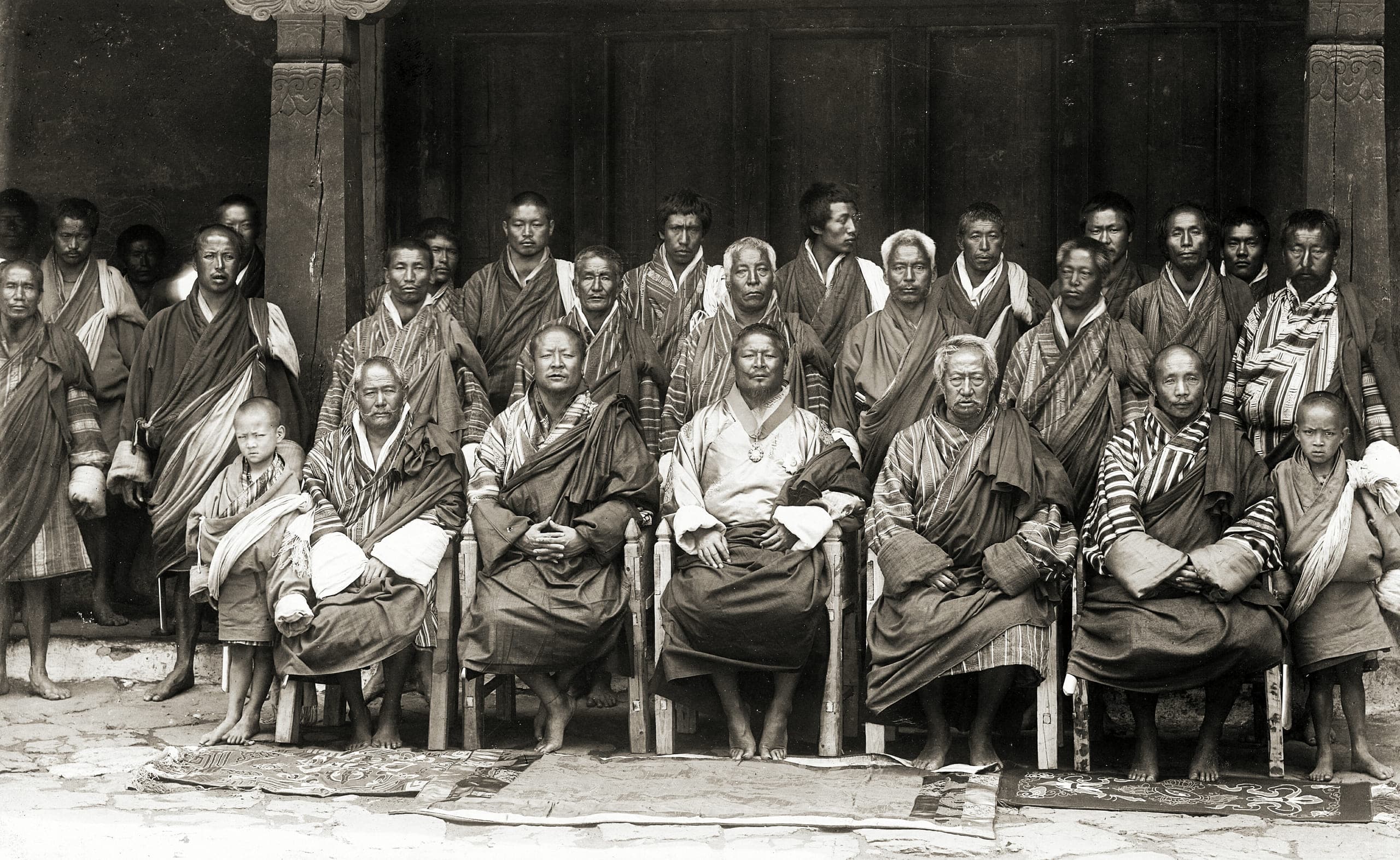
On 11 November 1865 at Sinchula on the Bhutan-British India frontier, the Treaty of Sinchula was signed between the Royal Government of Bhutan and British India. The Bhutanese side was led by Trongsa Poenlop Jigme Namgyel, the paramount political figure of the country at the time; the British side was represented by the political agents who had concluded the Duar War campaign earlier the same year. The treaty followed nearly a year of conflict (November 1864 - October 1865) that had included the failed Ashley Eden mission, the Bhutanese rout of a British column at Deothang on 27 January 1865, and the broader campaign across the Bhutan-British frontier. The signing at Sinchula formalised the settlement and ended the war.
The treaty established several core provisions. Territorial cession — Bhutan ceded all the Bengal Duars (eleven Duars) to British India, confirming the earlier 1841 cession of the eighteen Assam Duars; the combined Duars territory became part of British India and would in turn become part of independent India in 1947. Annual British subsidy — Bhutan received fifty thousand rupees per year from British India, the principal external revenue stream of the early Bhutanese state across the subsequent four decades (raised to one hundred thousand rupees under the 1910 Treaty of Punakha). Free trade — the treaty established free trade between Bhutan and British India, the foundation of the later bilateral commercial relationship. Mutual recognition — both parties recognised the sovereignty of the other within the new frontier; the treaty made no provision for British interference in Bhutanese internal affairs. See the Duar War for the antecedent conflict.
The Treaty of Sinchula was replaced on 8 January 1910 by the Treaty of Punakha, signed at Punakha Dzong between His Majesty the First Druk Gyalpo Ugyen Wangchuck and Sir Charles Bell, the British Political Officer in Sikkim. The 1910 Treaty doubled the annual subsidy from fifty thousand to one hundred thousand rupees, added a provision that Bhutan would be guided by British advice in external affairs (with the explicit understanding that British India would not interfere in Bhutanese internal affairs), and updated the framework for the post-1907 Bhutan that had a hereditary monarch. The 1910 Treaty in turn was replaced by the 1949 Bhutan-India Treaty of Friendship after Indian independence. See the 1910 Treaty of Punakha and the 1949 Bhutan-India Treaty for the broader treaty arc.
The Treaty of Sinchula is the foundational document of the contemporary Bhutan-southern-neighbour relationship. The Bhutanese southern frontier — running along the foothills above the Duars from Phuentsholing in the west to Samdrup Jongkhar in the east — is the direct descendant of the 1865 settlement. The financial framework (the annual subsidy) was the principal way the early Bhutanese state funded itself across the second half of the 19th century and the first decade of the 20th, supporting Trongsa Poenlop Jigme Namgyel's reign as the 51st Druk Desi and the educational and infrastructural initiatives that His Majesty the First Druk Gyalpo Ugyen Wangchuck would later undertake. The 1949 Bhutan-India Treaty returned thirty-two square kilometres of Deothang territory to Bhutanese sovereignty — a small but symbolically substantial partial-restitution of the 1865 cession.
Common questions
The eleven Bengal Duars — the fertile foothill plains running along Bhutan's southern frontier from approximately present-day Cooch Behar in the east to the Tista river in the west. The earlier eighteen Assam Duars had been ceded in 1841 under a separate negotiated annexation. The combined Duars territory became part of British India and is now part of the Indian states of West Bengal and Assam.
Forty-five years — from 11 November 1865 until 8 January 1910, when the Treaty of Punakha replaced it. The principal change in 1910 was the doubling of the annual British subsidy and the addition of the external-affairs advisory clause; the territorial framework established by Sinchula was carried forward. The broader Bhutan-southern-neighbour treaty framework continued through the 1949 Bhutan-India Treaty and operates today via the 2007 revision.
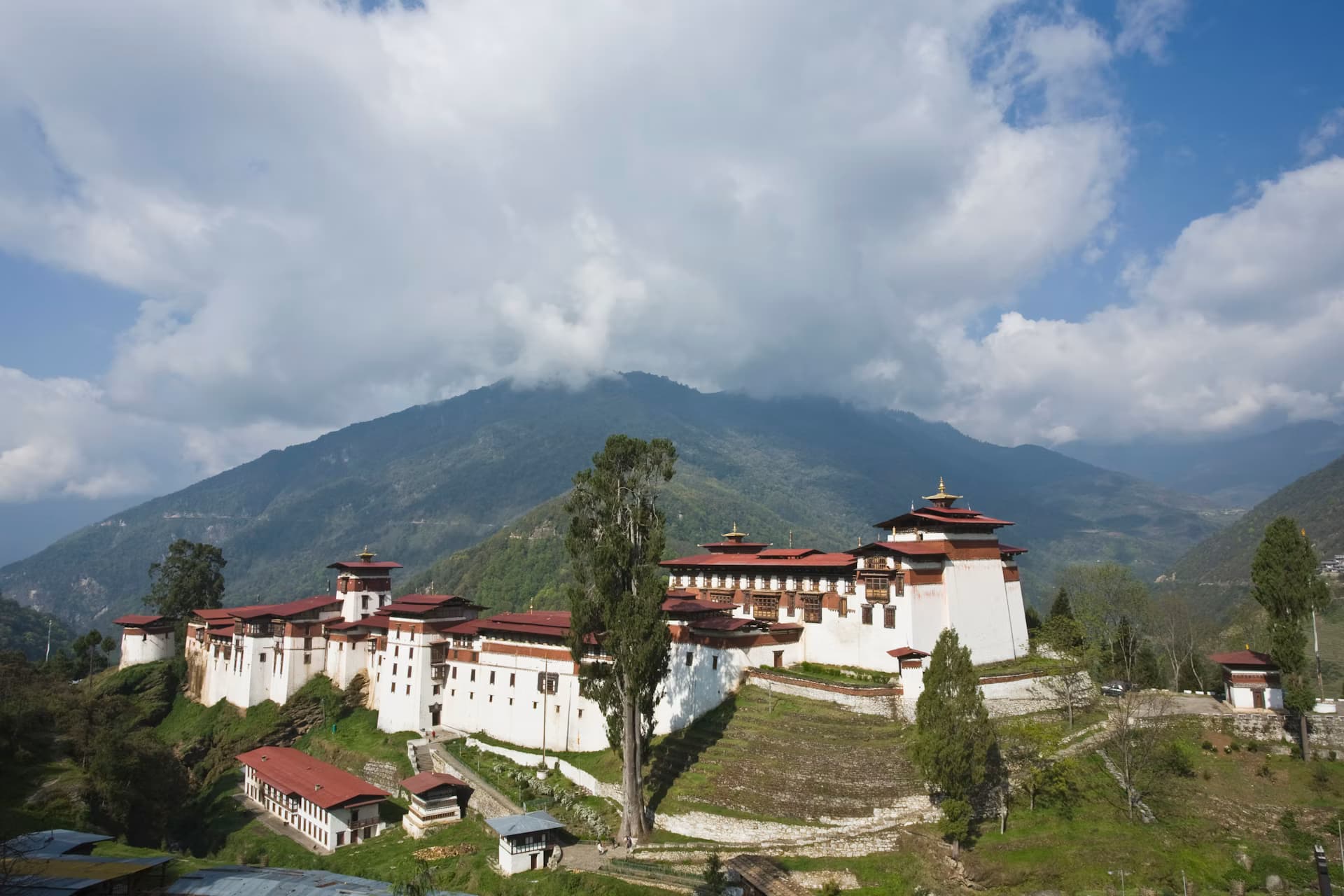
Sinchula sits on the historical Bhutan-British India frontier in what is now the Indo-Bhutan border region; the specific site is not a contemporary visitor destination. The principal way for a visitor to encounter the Sinchula settlement today is at the Royal Heritage Museum at Trongsa Ta Dzong, which traces the 19th-century consolidation period including the Duar War and the Sinchula settlement.
Who was there
Person
Trongsa Poenlop Jigme Namgyel (1825-1881) — the Black Regent, architect of united Bhutan, father of His Majesty the First Druk Gyalpo. The principal pre-monarchy figure.
Person
His Majesty Ugyen Wangchuck (1862-1926) — the First Druk Gyalpo of Bhutan, crowned 17 December 1907 at Punakha Dzong. The unifier of the modern Bhutanese state.
What followed
Event
The Duar War 1864-65 — the foundational Bhutan-British conflict over the Assam-Bengal Duars. Ended by the Treaty of Sinchula; the principal 19th-century Bhutanese-foreign war.
Event
The Treaty of Punakha — 8 January 1910. Replaced Sinchula; doubled the British subsidy; framed external affairs. The Bhutan-British India framework until 1949.
Event
The Bhutan-India Treaty of Friendship — signed 8 August 1949 in Darjeeling. The foundational bilateral framework. Revised 2007.
The wider idea
Theme
The Wangchuck dynasty — the hereditary monarchy of Bhutan since 17 December 1907. Five reigning monarchs across five generations. The contemporary state's institutional spine.
Theme
Bhutan-India relations — the foundational bilateral relationship. 1949 Treaty, hydropower partnership, ngultrum-rupee parity, the open border. The contemporary partnership.
Five questions. A bespoke draft back within a day or two.