Preparing
LoadingPreparing
Loading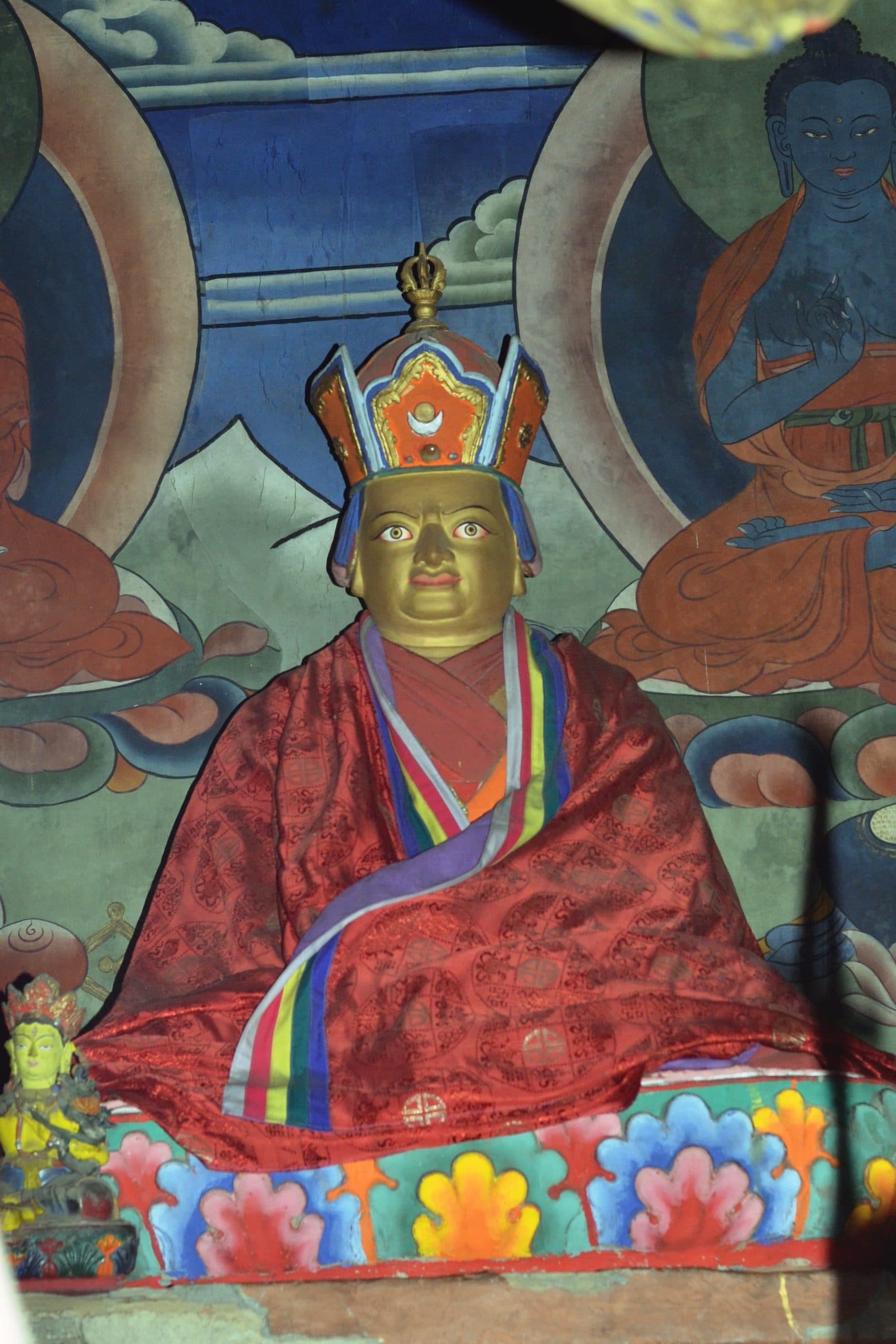
A Bhutanese religious figure
1450 to 1521
Pema Lingpa (1450-1521) was the most important Bhutanese-born religious figure of the medieval period — a treasure-revealer (terton) in the Nyingma tradition, who recovered numerous terma (hidden religious teachings) left by Guru Rinpoche in the 8th century. Pema Lingpa's most famous public miracle at Mebar Tsho (the 'Burning Lake') in the Tang valley remains a foundational story of Bhutanese religious life; his three reincarnation lines — body, speech, and mind — continue to the present.
Pema Lingpa was born in 1450 in the Tang valley of Bumthang to a blacksmith family. The Nyingma tradition holds that Pema Lingpa was the reincarnation of one of Guru Rinpoche's principal disciples, and the appearance of treasures (terma) for him to discover was prophesied by Guru Rinpoche himself in the 8th century. Pema Lingpa began his treasure-revealing activity in 1475 at age 25 and continued throughout his life; the terma he revealed include religious texts, sacred images, and ritual objects across multiple Bhutanese valleys and Tibetan sites. The discovered terma collectively constitute the Pema Lingpa lineage — a major Nyingma sub-tradition particularly strong in eastern and central Bhutan.
Pema Lingpa's most famous public miracle occurred at Mebar Tsho — the 'Burning Lake' in the Tang valley. The story: Pema Lingpa, having prophetic knowledge of a terma hidden in the lake but facing local skepticism, declared he would dive into the lake with a lit butter lamp and return with both the lamp still burning and the terma in hand. Witnessed by the local population, Pema Lingpa entered the lake; emerged with the butter lamp still burning and the treasure recovered. The event is foundational in Bhutanese religious history — the proof of Pema Lingpa's terton status. The Mebar Tsho today is one of the principal Bhutanese pilgrimage sites; the matched guide explains the tradition and the local protocol of butter-lamp offerings and clockwise circumambulation.
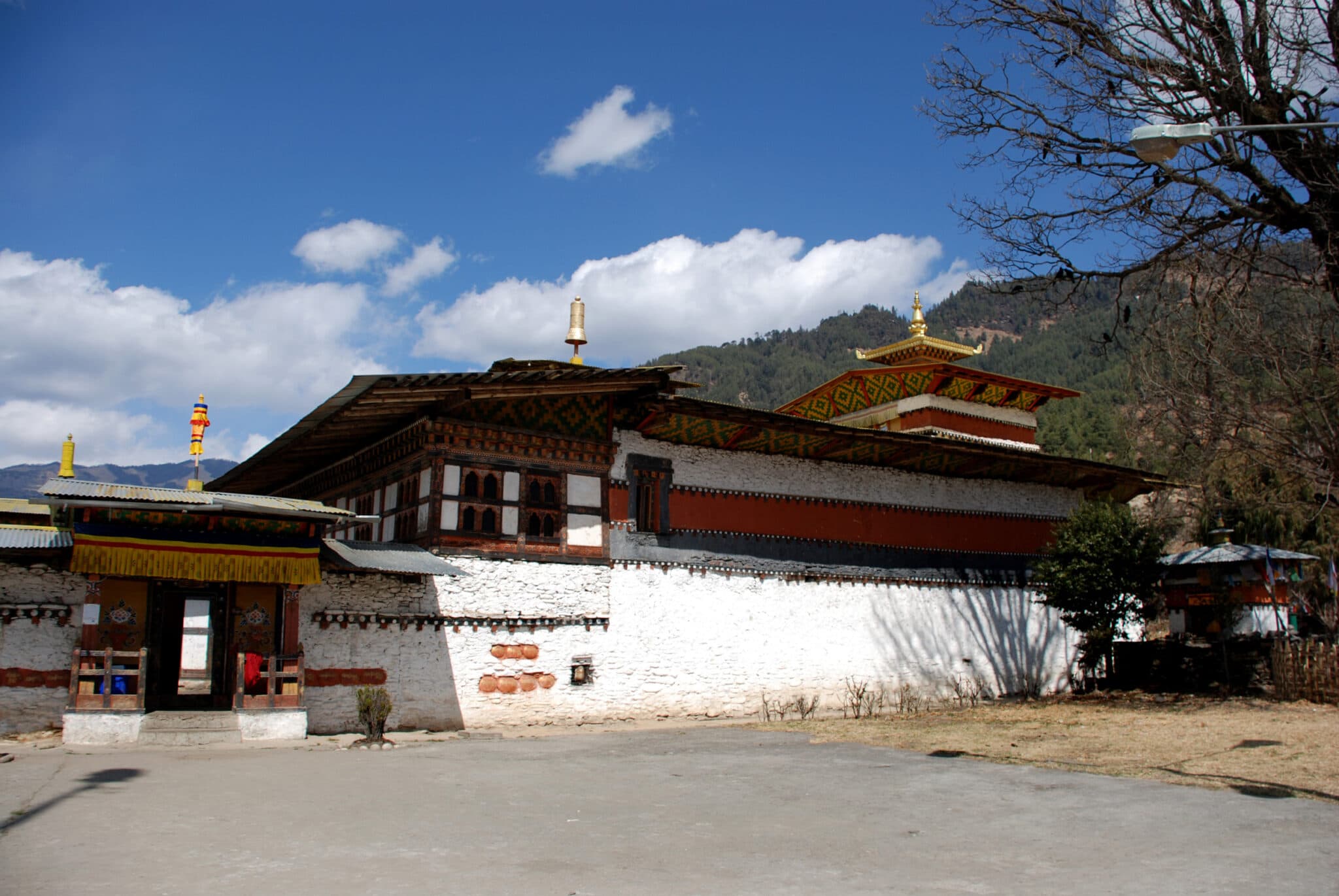
Pema Lingpa founded Tamshing Lhakhang in the Bumthang Choekhor valley in 1501 — the principal Pema Lingpa monastery and the locus of the Nyingma tradition in central Bhutan. The lhakhang contains a 15th-century Pema Lingpa statue (made by Pema Lingpa himself, per tradition) and substantial wall paintings of the Pema Lingpa lineage. The Pema Lingpa reincarnation tradition includes three lines: the body incarnation (centered at Lhalung Monastery in Tibet historically), the speech incarnation (Kungzangling), and the mind incarnation (Sungtrul, with the contemporary holder at Padmasambhava Temple). The Bhutanese royal family traces ancestry to Pema Lingpa through the body incarnation line — His Majesty the Fourth Druk Gyalpo Jigme Singye Wangchuck and the Wangchuck dynasty are Pema Lingpa descendants.
Across Bumthang. Mebar Tsho — the 'Burning Lake' in the Tang valley, the principal pilgrimage site, with the rock outcrop where Pema Lingpa emerged with the recovered terma. Tamshing Lhakhang — the principal Pema Lingpa monastery in the Choekhor valley, with the 15th-century lhakhang, the Pema Lingpa statue, and the wall paintings; one of the most cultural-religious-rewarding monastery visits in Bhutan. Kunzangdrak — the cliff retreat in the upper Tang valley, less visited but historically central. The Tamshing Phala Choepa festival (late September/early October) at Tamshing features the Pema Lingpa cham dances and reenactments. For visitors with serious Buddhist background, the Pema Lingpa tradition is the principal Bhutan-specific (as opposed to Tibetan-imported) religious lineage.
Also known as
Common questions
Historically real. Pema Lingpa's life (1450-1521) is well-documented in Bhutanese religious texts; the principal events are corroborated across multiple independent sources. The Mebar Tsho miracle is a religious-tradition account; the historical existence of Pema Lingpa as a major Bhutanese religious figure of the 15th-16th centuries is firmly established.
Yes. The Bhutanese royal genealogy traces through the Pema Lingpa body-incarnation line. The connection is part of the religious-political legitimation of the Wangchuck monarchy established in 1907 — the dynastic continuity to Pema Lingpa (and through him, to Guru Rinpoche) is a foundational element of the Bhutanese constitutional-religious framework.
Yes, but it requires a strenuous hike. Kunzangdrak sits high on a cliff in the upper Tang valley; the matched guide arranges the day-trek for visitors with serious cultural-religious interest and adequate fitness. Most visitors stop at Mebar Tsho and Tamshing as the principal accessible Pema Lingpa sites.
Others in this story
Person
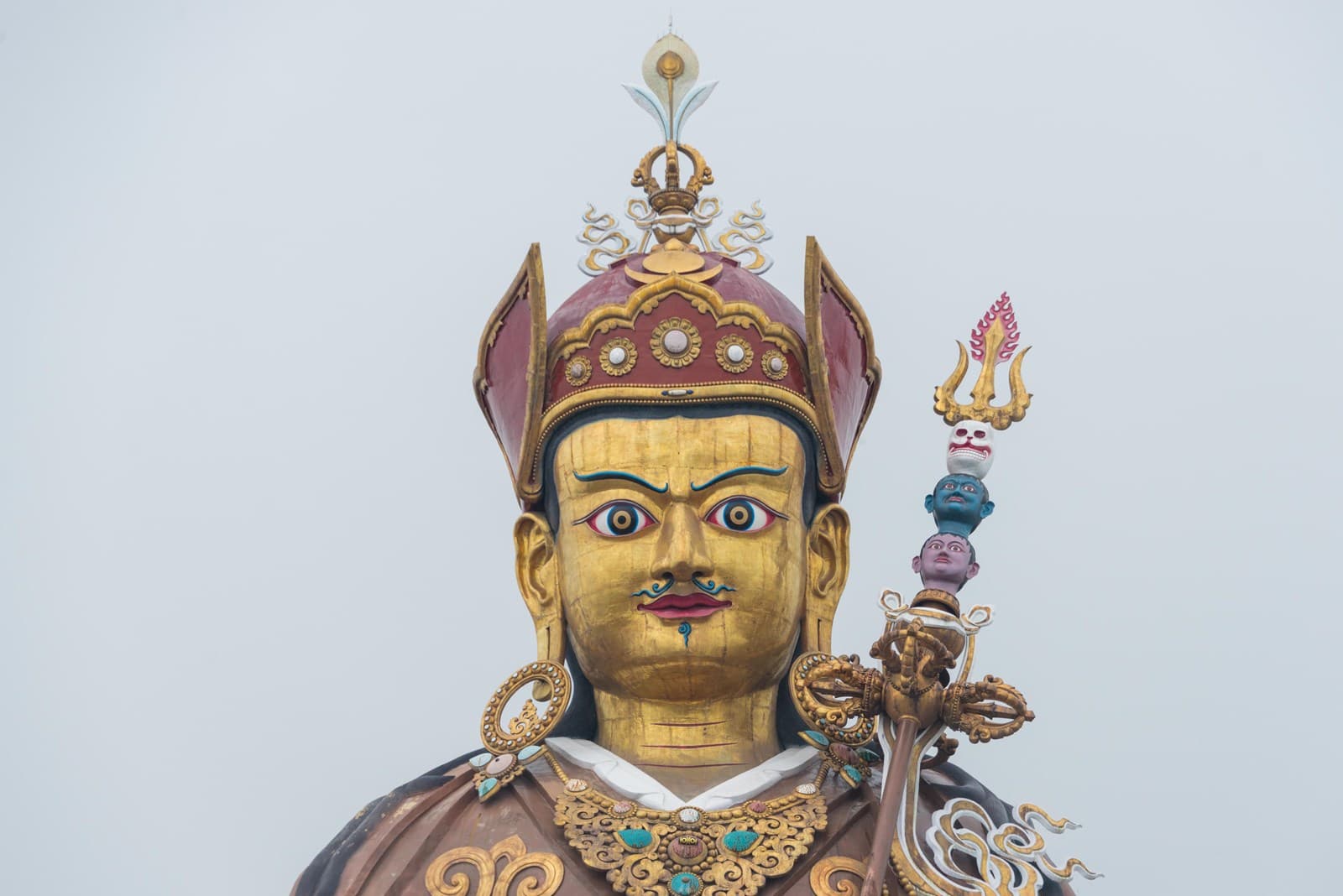
Guru Rinpoche — Padmasambhava, the 8th-century Vajrayana master, the principal religious figure of Bhutan. The eight manifestations, the principal sacred sites.
Person
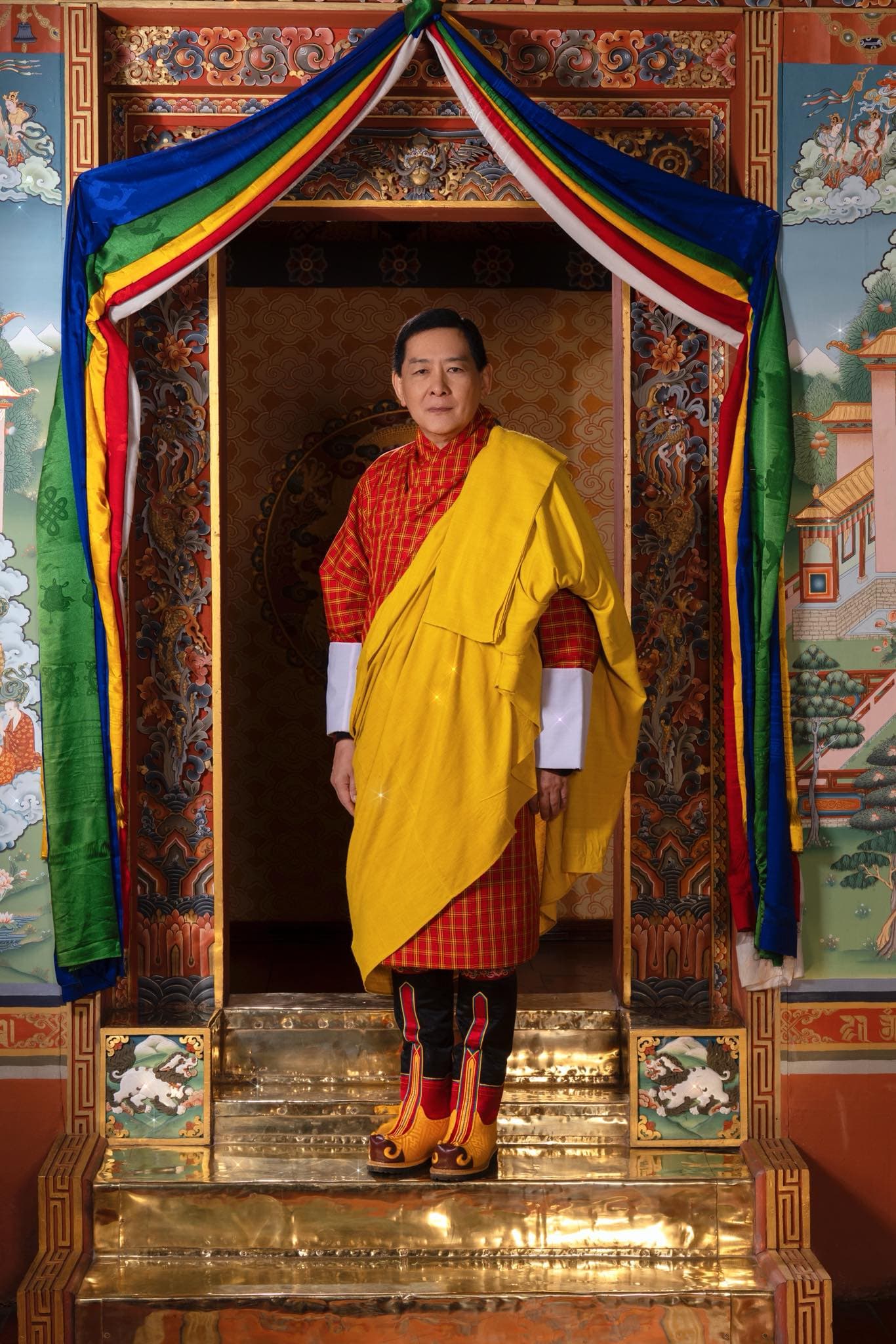
His Majesty Jigme Singye Wangchuck — the Fourth Druk Gyalpo of Bhutan. Articulated Gross National Happiness, opened Bhutan to tourism, voluntary abdication 2006.
What they built
Monument
Tamshing Lhakhang — the 1501 monastery of Pema Lingpa, in the Choekhor valley of Bumthang. History, the chain-mail vest relic, visiting.
Monument
Kurjey Lhakhang — the Bumthang cliff cave bearing Guru Rinpoche's body imprint. The three-temple complex, history, visiting.
Journeys that touch this
Journey
A ten-night Bhutan Buddhist pilgrimage for Asian-Buddhist travellers. Monastic context; matched monastic-trained guide; Bumthang religious circuit.
Journey
A seven-night Bhutan journey timed to Thimphu Tshechu in autumn — second-tier seating, a culturally fluent guide, Bhutanese lodges.
Five questions. A bespoke draft back within a day or two.