
Preparing
LoadingPreparing
Loading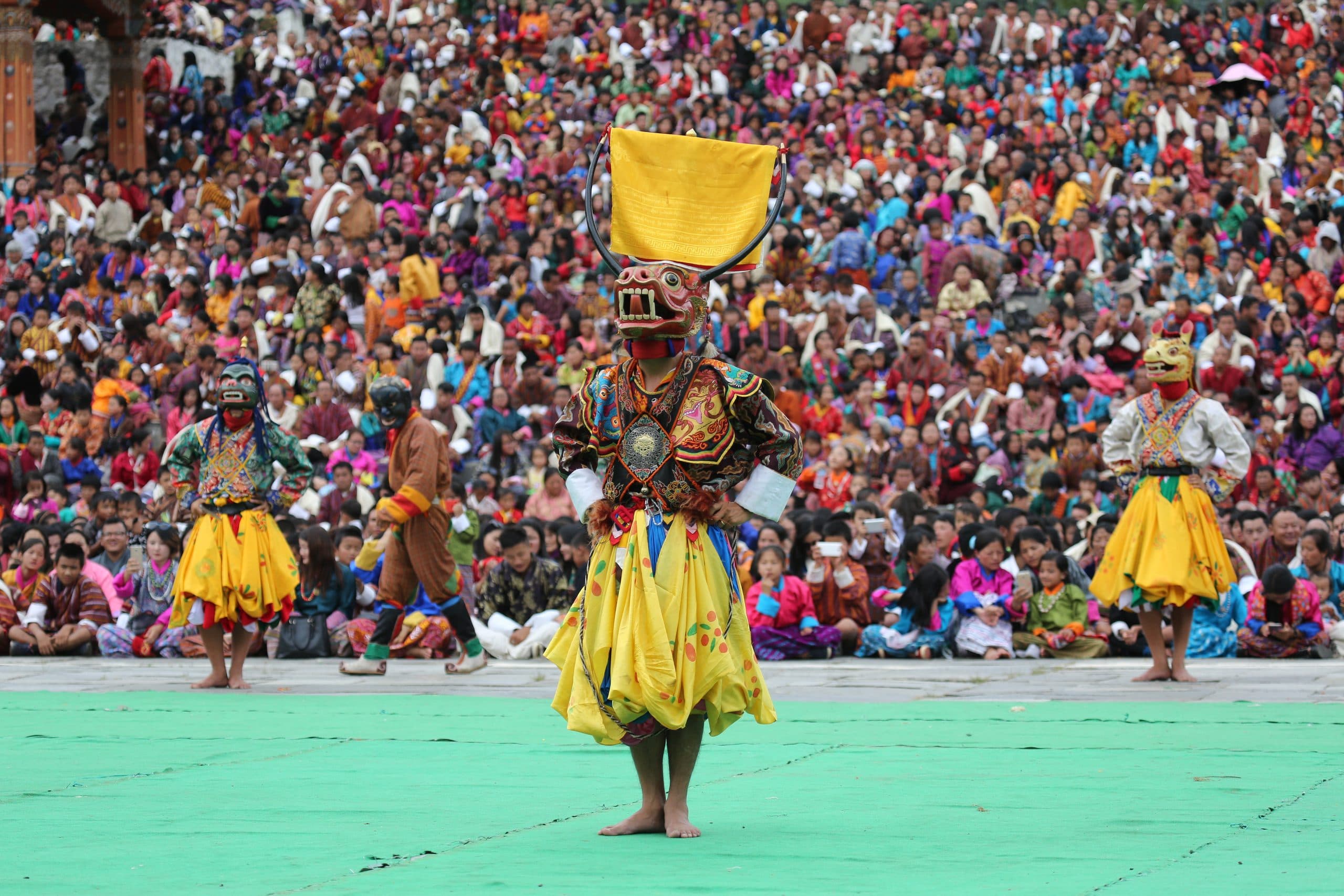
An autumn tshechu, in a dzong recently restored
The Wangdue Tshechu is held at Wangdue Phodrang Dzong, typically in late September or early October. The dzong burned in 2012 and was painstakingly rebuilt; it reopened in 2022. The festival is the principal autumn cultural event of the central-western region, and is less crowded than Paro or Thimphu while drawing the full local register.
tshechu · Wangdue Phodrang Dzong · Wangdue Phodrang
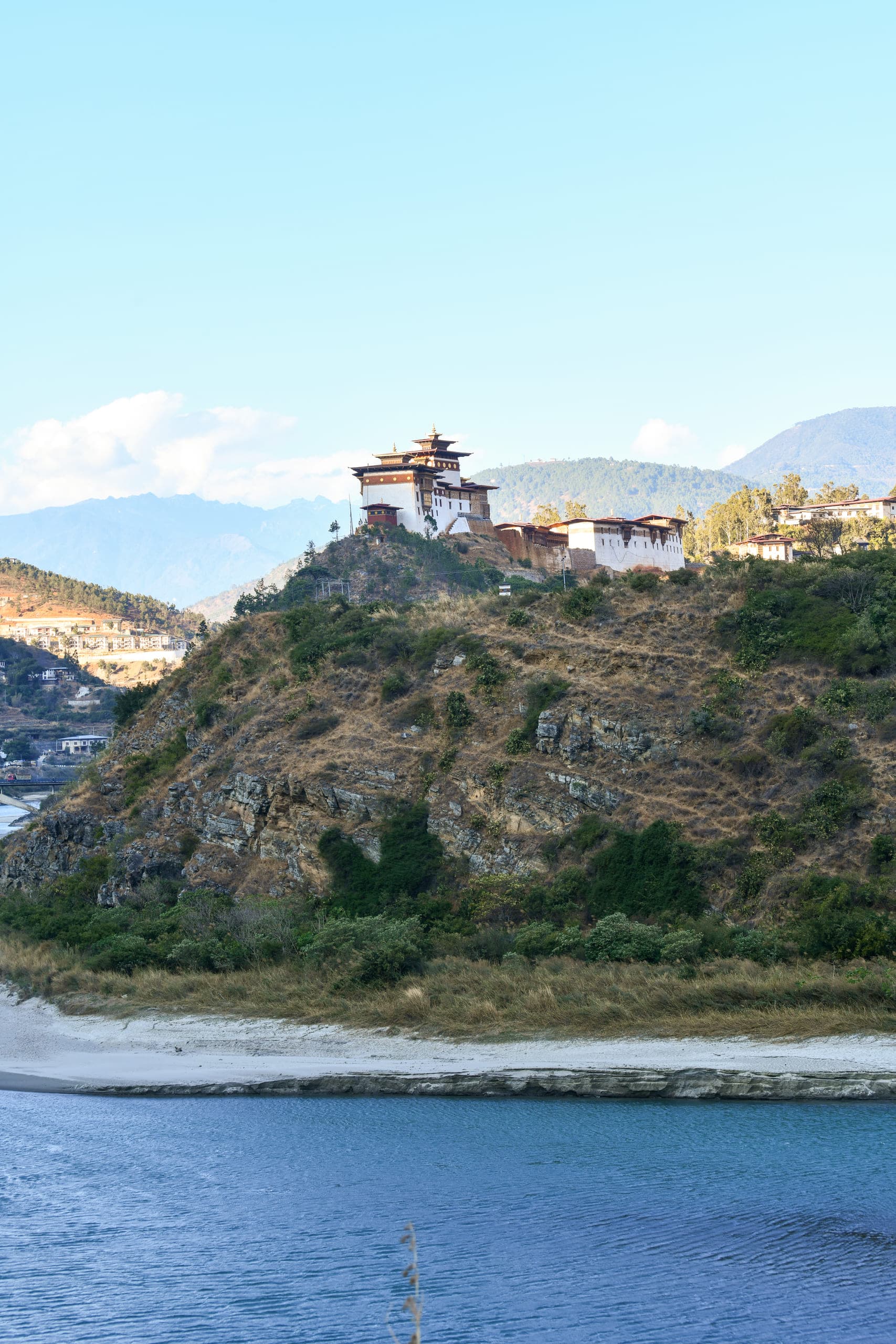
Wangdue Phodrang Dzong was founded in 1638 by Zhabdrung Ngawang Namgyal at the confluence of the Punatsang Chhu and the Dang Chhu. It is one of the most strategically and architecturally important of the founding-era dzongs. The dzong burned to the ground on 24 June 2012; the fire was caused by an electrical fault and consumed the timber-framed structure within hours. The Royal Government of Bhutan undertook a decade-long restoration, completed and reopened on 11 November 2022 (the date marking His Majesty the 4th King's birthday). The Wangdue Tshechu returned to the rebuilt dzong courtyard from that season.
The programme follows the western-Bhutanese tshechu pattern — Day 1 opens with the protector-deity dances and the cycle of ritual offerings. Day 2 brings the principal chams — the Pholay Molay, the Shawa Shachi, the Drametse Ngacham, and the Guru Tshengye. Day 3 closes with the Tungam and the public blessing. The Wangdue chams have a distinctive local lineage: the Raksha Mangcham (the dance of the wrathful judgement of the dead, performed by sixteen dancers in fierce masks) is a Wangdue specialty and a principal Day 2 cham.
Wangdue Phodrang sits on a ridge above the river confluence at 1,300 metres — warmer than Thimphu or Paro — and the late-September / early-October timing catches the prime autumn window. The drive from Paro is approximately 3 hours via Thimphu and the Dochu La pass (3,100m). The dzong's rebuilt interior is itself a remarkable structure — the timber detail and the painted woodwork were re-executed by master Bhutanese craftsmen across the decade-long restoration. Photography is permitted in the courtyard; respectful clothing required.
What a visitor encounters
The Wangdue specialty — the sixteen-dancer judgement-of-the-dead cham. Performed on Day 2; the masks are among the most striking in the Bhutanese cham repertoire.
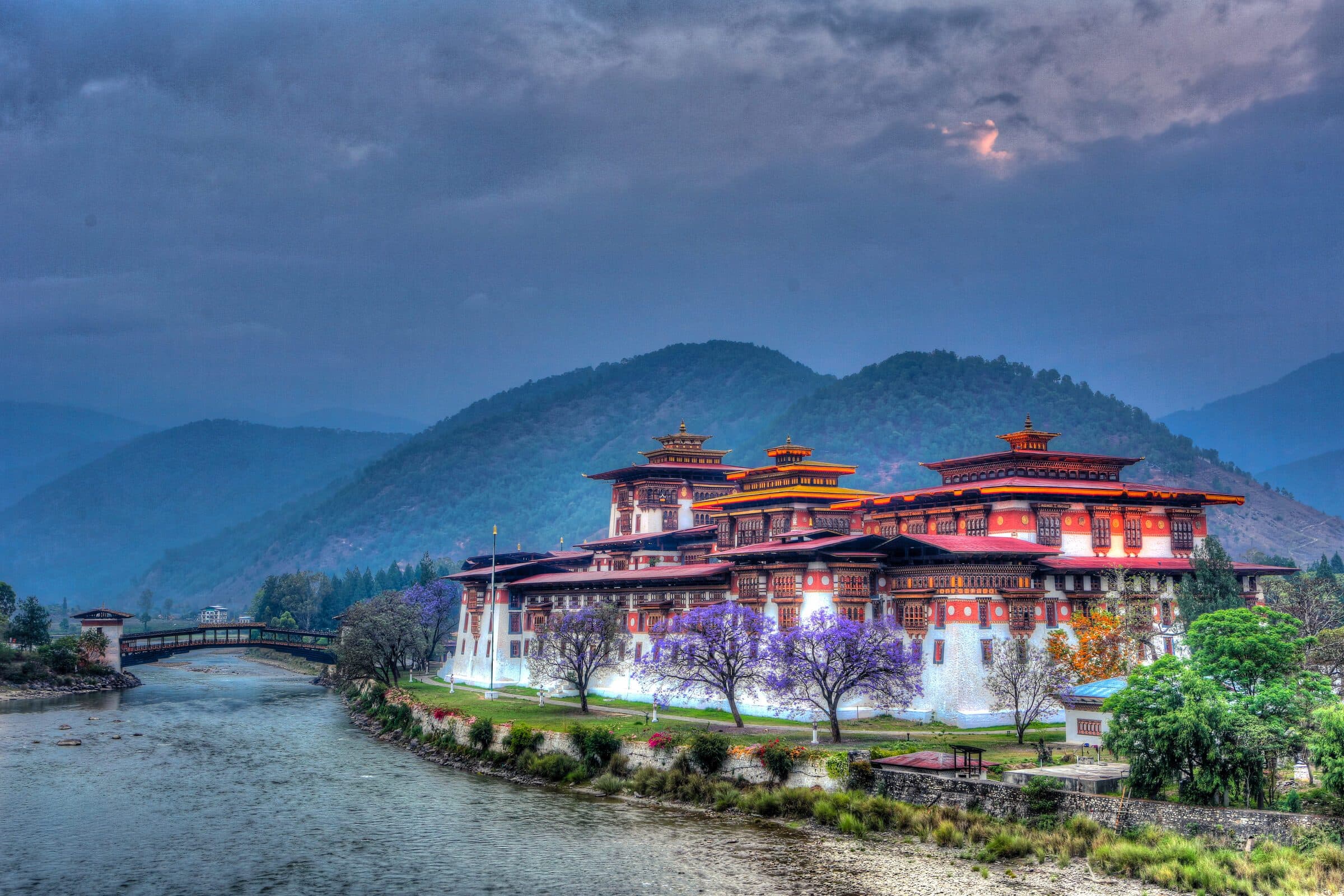
Notable for its timber detail and painted woodwork, re-executed by master Bhutanese craftsmen across the 2012–2022 restoration. The dzong is itself a principal sight.
The dzong sits on a ridge at the confluence of the Punatsang Chhu and the Dang Chhu — the photographic tradition is excellent in the autumn clear-sky window.
Most visitors base in Punakha (40 minutes' drive) at Amankora Punakha, COMO Uma Punakha, Six Senses Punakha, or Dhensa. The Phobjikha lodges (Amankora Gangtey, Six Senses Gangtey) are 90 minutes' drive over the Lawala pass.
Dates by year
The Bhutanese calendar is a distinct lunar system, not identical to the Tibetan or the broader Indian lunar calendars, and the Gregorian dates of every Bhutanese festival shift each year. The Royal Government's Department of Tourism publishes the official calendar each year, typically 6 to 12 months in advance. The dates below are our projection from the published lunar pattern (8th–10th day of the 8th Bhutanese lunar month); we confirm each year against the Department of Tourism's release and update this page accordingly. Before you finalise travel dates, please confirm with our concierge.
| Year | Dates | Note |
|---|---|---|
| 2026 | 20-22 September 2026 | |
| 2027 | 9-11 October 2027 | |
| 2028 | 27-29 September 2028 |
Common questions
Monuments at and around this festival
Monument
Wangdue Phodrang Dzong — founded 1638, burned 2012, rebuilt and reopened 11 November 2022. The history, the restoration, visiting.
Monument
Punakha Dzong — the Palace of Great Happiness, founded 1638. The history, the architecture, what to expect on a visit.
Monument
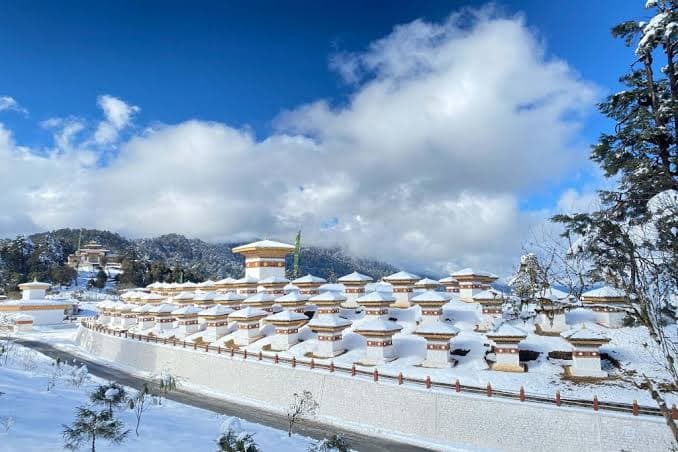
Dochu La — the 108-chorten pass at 3,100 metres between Thimphu and Punakha. The Druk Wangyel Chortens and the Himalayan panorama.
Journeys around this festival
Journey
A seven-night Bhutan journey timed to Thimphu Tshechu in autumn — second-tier seating, a culturally fluent guide, Bhutanese lodges.
Journey
A seven-night Bhutan photography journey in October — Bhutan, golden-hour access at Punakha Dzong, a tripod-friendly guide, and transparent pricing.
Five questions. A bespoke draft back within a day or two.