Preparing
LoadingPreparing
Loading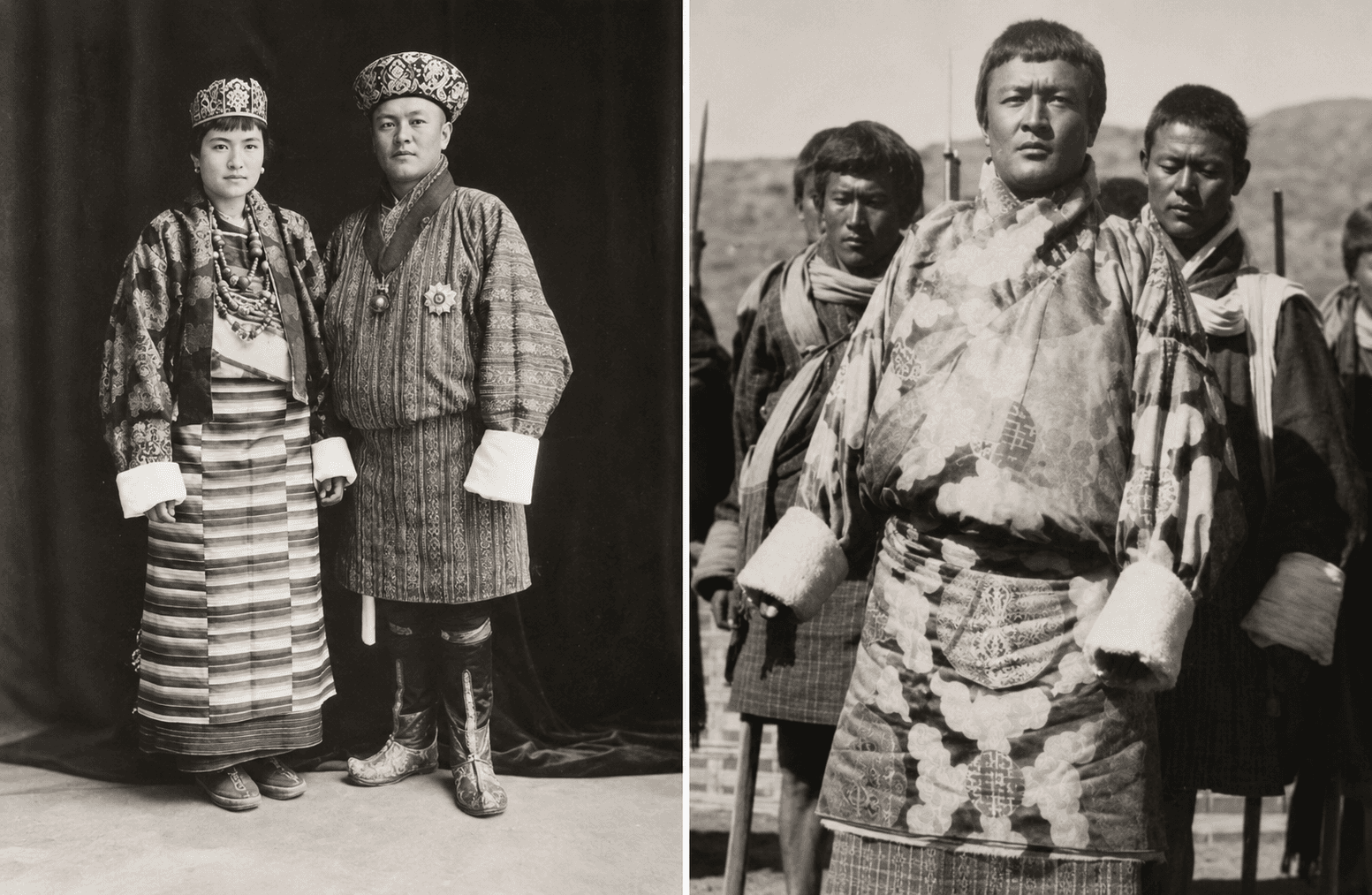
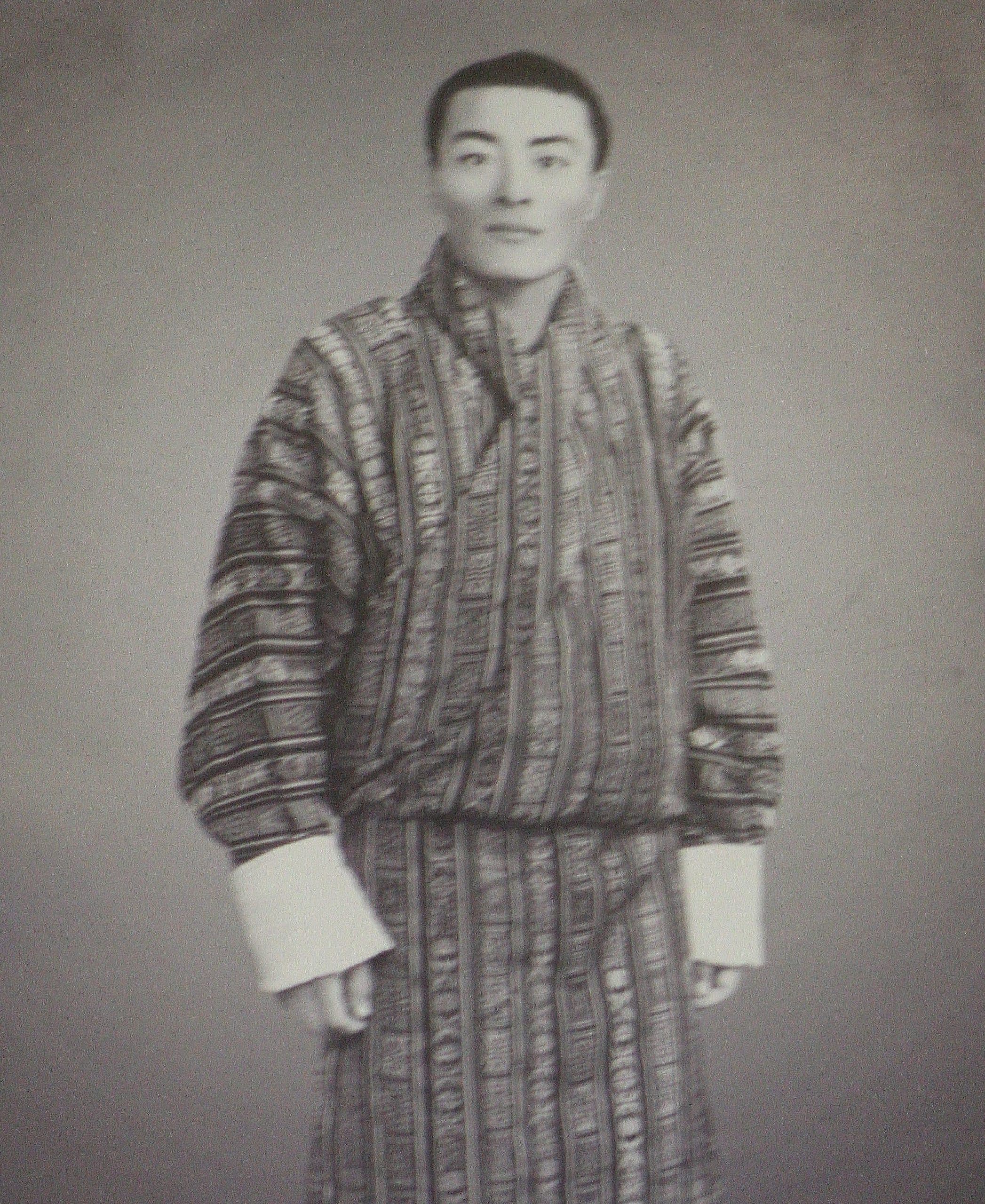
A Bhutanese reigning monarch
1905 to 1952
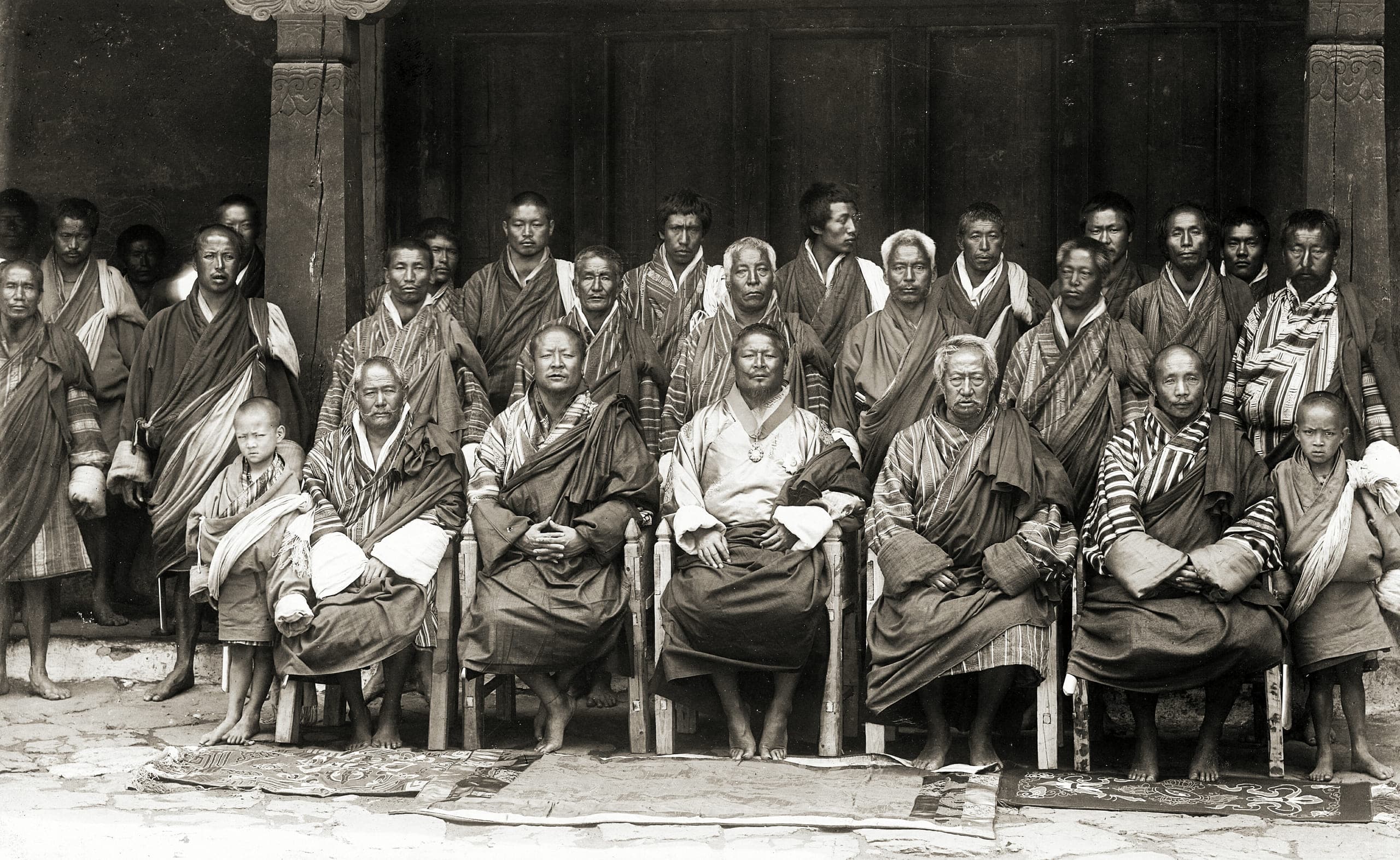
His Majesty the Second Druk Gyalpo Jigme Wangchuck reigned from 1926 to 1952, succeeding his father His Majesty Ugyen Wangchuck on the throne of the Wangchuck dynasty. His Majesty's reign was the principal period of institutional consolidation following the dynasty's foundation in 1907 — the consolidation of the central administrative, the building of the Wangduecholing summer palace at Bumthang, the cautious development of relations with British India and the broader region during the geopolitical upheavals of the 1930s and 1940s.
His Majesty Jigme Wangchuck succeeded His Majesty the First Druk Gyalpo Ugyen Wangchuck in 1926 on the latter's death. His reign across the subsequent 26 years was the principal period of institutional consolidation following the dynasty's foundation. Key reign activities: the development of the central administrative register (drawing on his father's institutional foundation); the systematic strengthening of the dzong-administration framework across the dzongkhags; the cautious geopolitical work with British India (and subsequently independent India after 1947); the careful navigation of the regional upheavals during World War II and the Chinese revolution. His Majesty's reign was shaped by the broader regional context — the Tibetan-Chinese instability in the 1930s and 1940s, the Indian transition from British rule, the early Cold War positioning — all of which His Majesty navigated with careful attention to preserving Bhutanese sovereignty. The 1949 Treaty with newly-independent India was a principal achievement, establishing the framework for the Bhutan-India relationship that subsequently developed across the second half of the 20th century.
His Majesty established Wangduecholing Palace at Bumthang as the principal royal residence — the palace remains the principal Wangchuck-dynasty residential anchor in Bumthang and is one of the principal cultural-architectural sites of contemporary Bumthang. The palace was restored in recent years and operates today partly as a working royal residence and partly as a museum-and-heritage site. Visitors to Bumthang typically include Wangduecholing in their itinerary alongside the principal monastic sites (Kurjey Lhakhang, Jambay Lhakhang, Tamshing Lhakhang). The palace's architectural tradition is the Bhutanese vernacular at its grandest scale — the principal example of how dynastic patronage shaped the country's architectural tradition through the 20th century. See the Bumthang dzongkhag entry.
His Majesty Jigme Wangchuck's principal legacy is the institutional consolidation of the Wangchuck dynasty across the 26-year reign — the dynasty moved from its founding-monarch register (when His Majesty Ugyen Wangchuck was personally responsible for the dynasty's establishment and legitimation) to its institutional-establishment register (when the dynasty was operating as the country's established institutional framework). His Majesty was succeeded on his death in 1952 by his son His Majesty Jigme Dorji Wangchuck, the Third Druk Gyalpo, whose reign was the principal modernising register of the dynasty's history. See the Third Druk Gyalpo entry.
Also known as
Common questions
Principally: the institutional consolidation framework that the contemporary Bhutanese state operates within; the Wangduecholing Palace at Bumthang (visitable); the cultivation of the Bhutan-India relationship through the 1949 Treaty that subsequently shaped Bhutanese international positioning. The matched guide explains His Majesty's reign in the broader dynastic narrative.
His Majesty's reign was the institutional-establishment tradition — the work was internal, administrative, and cumulative rather than dramatic. The principal external achievements (Wangduecholing, the 1949 Treaty) were substantial but not on the visual tradition that the founding (1907 coronation) and modernising (1971 UN admission, 1974 tourism opens) registers operate at. The reign is foundationally important for the contemporary state but less visible to international visitors than the more-dramatic moments in the dynastic narrative.
Through careful preservation of Bhutanese sovereignty alongside cautious engagement with the principal regional powers (British India through 1947, independent India subsequently). His Majesty refused several alignments with regional powers that would have compromised Bhutanese sovereignty; the 1949 Treaty was negotiated to preserve the sovereignty tradition that contemporary Bhutan continues to operate within. The principal historical-state record of His Majesty's regional diplomacy is the Bhutan-state archive.
Others in this story
Person
His Majesty Ugyen Wangchuck (1862-1926) — the First Druk Gyalpo of Bhutan, crowned 17 December 1907 at Punakha Dzong. The unifier of the modern Bhutanese state.
Person
His Majesty Jigme Dorji Wangchuck (1929-1972) — the Third Druk Gyalpo of Bhutan. The modernising king who abolished slavery, established the National Assembly, and led UN admission.
Five questions. A bespoke draft back within a day or two.