What each destination is at its core
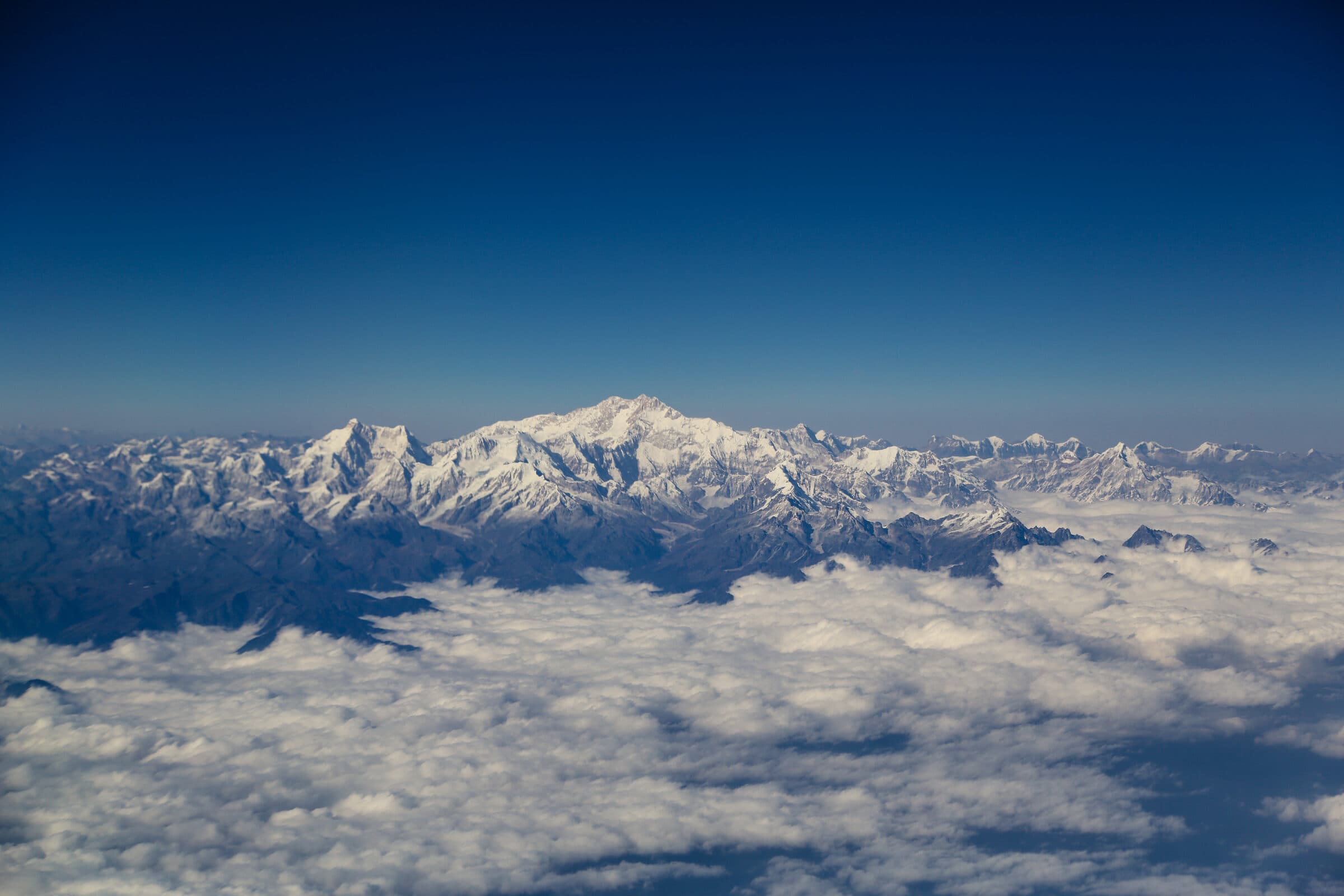
Ladakh is a Union Territory of India, located in the western Himalayan high country (Leh district + Kargil district), at the crossroads of Tibetan, Kashmiri, and Indian cultural influences. The Ladakhi population (~275,000) is predominantly Tibetan-Buddhist with substantial Shia Muslim minority in the Kargil district. The principal Ladakhi region (Leh) sits at 3,500m baseline altitude; Pangong Tso lake at 4,250m; Khardung La pass at 5,360m. Spectacular high-altitude moonscape landscape that rewards photography and adventure-tourism interest. Bhutan is the Vajrayana Buddhist monarchical state, independent (see [[never-colonised]]), ~750,000 population at moderate Himalayan altitude (Paro 2,250m, Thimphu 2,320m, Punakha 1,280m). More concentrated cultural-religious framework — single Drukpa Kagyu tradition continuous since the 17th-century Zhabdrung unification; single working monarchical-religious framework; single licensed-operator tourism discipline. Less dramatic high-altitude landscape; deeper cultural-religious continuity.
When Ladakh is the right answer
Choose Ladakh if your principal goal is the high-altitude moonscape landscape and the photography. The Pangong Tso lake, the Nubra Valley, the Tso Moriri high-altitude lake, the Khardung La pass, the Magnetic Hill, the dramatic Lamayuru moonland — all distinctive Ladakhi landscapes that the Bhutanese moderate-altitude framework does not deliver. Choose Ladakh if you are Indian-passport-holder wanting the Vajrayana Himalayan experience without the transit-visa or SDF frameworks. Ladakh is part of India; Indian visitors travel domestically; no permit (for Indian nationals) required for the principal Leh district (Inner Line Permit required for the specific border areas: Pangong, Nubra, Tso Moriri). Choose Ladakh if cost is a factor. Premium-tier Ladakh 7-night trip ~USD 3,500-7,000 per traveller (comparable to Nepal); Bhutan equivalent ~USD 5,000-14,000 (premium/luxury tier). Ladakhi cost is lower across tiers. Choose Ladakh if you want the specific Ladakhi monastic photography sites — Thiksey Monastery (comparable to miniature Potala), Hemis Monastery (principal Drukpa Kagyu site of Ladakh), Diskit Monastery (Nubra Valley), Lamayuru Monastery (moonland-cliff setting). These are distinctive Ladakhi cultural sites that the Bhutanese framework does not reproduce.
When Bhutan is the right answer
Choose Bhutan if your principal goal is the continuous Vajrayana monarchical state framework. The Bhutanese unique features against Ladakh: independent sovereignty (17th-century to present continuous Bhutanese state); Vajrayana state-religious framework (the only contemporary Vajrayana state — Tibet under Chinese state oversight; Ladakh as Indian Union Territory); working dzongs as administrative-religious complexes (Ladakhi monasteries are religious-only); Bhutanese cham dances are continuous religious performances at working monasteries (Hemis tshechu in Ladakh is comparable but other Ladakhi sites are less continuous). Choose Bhutan if you want the considered premium-tier hosting framework — licensed-operator simplicity, matched knowledgeable guide held throughout, premium-lodge inventory (Aman, Six Senses, COMO, Zhiwa Ling — higher tier than Ladakh offers). Ladakh has premium lodges (Stok Palace, Chamba Camp Diskit, Nimmu House) but the Bhutanese premium-lodge inventory exceeds Ladakh's. Choose Bhutan if you want the lower-altitude framework for multigenerational family travel, elderly parents, less-fit travellers. Bhutan's principal Bhutan at 1,280-2,320m accommodates almost all visitors; Ladakh's 3,500m+ baseline constrains older or less-fit visitors. Choose Bhutan if you want the distinctive Bhutanese sovereignty register — the carbon-negative environmental framework, the Gross National Happiness governance, the constitutional 60% forest cover commitment. Ladakh as Indian Union Territory operates under Indian frameworks; lacks the distinctive Bhutanese policy-framework register.
Side-by-side comparison
**Sovereignty**: Bhutan independent monarchical state. Ladakh Indian Union Territory (since 2019 reorganisation; previously part of Jammu and Kashmir state). **Religious framework**: Both Vajrayana Buddhist. Bhutan Drukpa Kagyu predominant (state religion). Ladakh mix — Drukpa Kagyu (Hemis), Gelug (Thiksey, Lamayuru), Nyingma (Lamayuru), Sakya (smaller). Ladakh offers more sectarian variety; Bhutan offers more concentrated continuity. **Altitude**: Bhutan moderate (1,280-3,120m on Bhutan). Ladakh high (3,500m baseline; 4,250-5,360m at the principal scenic sites). **Access**: Bhutan licensed-operator-only, visa pre-approval. Ladakh Indian-domestic travel (Indian passport-holders); Inner Line Permit for specific border areas; international visitors need Indian visa (and the India-transit-visa issues for non-Indian-passport-holders complicate). **Cost**: Bhutan 50-100% higher at comparable lodge tier (driven by SDF + concentrated lodge inventory). Ladakh more affordable. **Premium lodge inventory**: Bhutan deeper — Aman, Six Senses, COMO, Zhiwa Ling. Ladakh growing — Chamba Camp, Nimmu House, Stok Palace, newer premium properties. **Landscape register**: Ladakh dramatic high-altitude moonscape. Bhutan deeper Himalayan-cultural landscape (dzongs, valleys, cultivated agriculture). **Best season**: Bhutan October-November (autumn), March-May (spring), December-February (Clear-Sky). Ladakh June-September (the only accessible window — winter closes the road and suspends the flight schedule). **Privacy / discretion**: Bhutan wins (licensed-operator framework, cultural protocol of discretion). Ladakh more open framework. **Indian-passport accessibility**: Ladakh wins (domestic travel for Indians). Bhutan second-best (favourable Indian-national framework — Nu 1,200/night SDF, visa-free).
The combined Bhutan-Ladakh trip — a Himalayan Vajrayana pilgrimage
For serious Vajrayana-interested travellers with time, the combined Bhutan-Ladakh trip is the considered Himalayan Vajrayana cultural arc. The standard sequence: Ladakh first (typically 7-10 nights — Leh acclimatisation, Hemis-Thiksey-Lamayuru monastic circuit, Nubra Valley extension, Pangong Tso) — the higher-altitude leg better while energy is high; then Delhi or Kolkata transit; then 7-night Bhutan Bhutan. The combined trip delivers the Vajrayana cultural comparison at depth. Logistical reality: non-Indian-passport-holders face the Indian transit visa for the Ladakh-to-Bhutan transition through Delhi or Kolkata. Workaround: transit via Bangkok (Drukair daily BKK-PBH) or Singapore (Drukair Sun-Sat SIN-PBH) after the Ladakh-to-Delhi/Mumbai domestic flight. The combined trip is logistically complex for non-Indian-passport-holders; Indian-passport-holders transit smoothly through Delhi. For Indian-passport-holders, the combined Bhutan-Ladakh trip is the cleanest Himalayan Vajrayana arc available.
The honest answer for different traveller types
**For a first-time premium Himalayan Vajrayana traveller**: Bhutan first. The lower altitude, the disciplined-tourism framework, the matched-guide simplicity make the entry experience smoother. Ladakh rewards the second / repeat Himalayan visit when the higher-altitude and more independent framework feels manageable. **For a landscape photographer**: Ladakh wins. The dramatic moonscape, the Pangong Tso colour, the Khardung La pass scale — distinctive. Bhutan offers different photography register (working dzongs, cultural events, valley landscapes) but Ladakhi landscape tradition is unique. **For a serious Vajrayana-comparative traveller**: Both. The combined trip is the considered framework if time and logistics allow. **For Indian-passport-holders**: Both accessible; Ladakh the domestic-travel option, Bhutan the sovereign-state-engagement option. combined trip smoothest for Indians. **For premium-tier privacy / discretion**: Bhutan wins. The Ladakh framework is more open; Bhutan cultural protocol structural. **For multigenerational family travel**: Bhutan wins. The lower-altitude framework accommodates elderly grandparents in ways the Ladakhi 3,500m baseline does not. **For cost-sensitive premium**: Ladakh wins. The SDF raises the Bhutanese floor; Ladakh offers the Vajrayana register at lower cost.
Other Indian Himalayan comparatives — Sikkim, Spiti
Two other Indian Himalayan Vajrayana destinations worth brief note: **Sikkim** (eastern Himalayan; Buddhist with Hindu minority; part of India since 1975). smaller (610K population). principal Buddhist sites: Rumtek Monastery (Karma Kagyu seat-in-exile), Pemayangtse, Tashiding. Easier access (Bagdogra airport nearby; Indian-passport-holders domestic travel, international visitors need Indian visa). comparable cost to Ladakh, cheaper than Bhutan. **Spiti Valley** (Himachal Pradesh; Tibetan-Buddhist; part of India). Remote 12,500ft baseline (3,800m). Dramatic landscape. Principal sites: Key Monastery, Tabo Monastery, Dhankar Monastery. For committed higher-altitude Vajrayana travellers.