- What is the SDF for Indian nationals?
- Indian nationals pay the regional Sustainable Development Fee of Nu 1,200 per night per adult (approximately USD 14 per night at parity, against the USD 100 per night that international visitors pay). For an 8-night trip for an adult, the Indian-national SDF is Nu 9,600 (approximately USD 110) — a considerable saving against the international-rate equivalent of USD 800. Children 6 to 12 pay 50% (Nu 600 per night); children under 6 are exempt. The Indian-national framework also means visa-free entry with a permit issued on arrival (rather than the pre-approval visa required for international visitors).
- How does the Drukair connection work from a non-metro Indian city?
- Bangalore, Chennai, Hyderabad, Pune, Ahmedabad, and most other Indian premium markets connect cleanly via Delhi or Kolkata. The standard pattern: a morning domestic flight to DEL or CCU (Air India, IndiGo, SpiceJet, Vistara all operate frequent service), a short connection, then the Drukair flight to Paro. We coordinate the connection timing and ticket the Drukair leg; the domestic Indian leg is typically the visitor's own booking with their preferred carrier. Total transit time from a non-metro Indian city to Paro is typically 6 to 9 hours including the connection.
- Will the matched guide speak Hindi?
- Yes. The closed network includes significant number of Bhutanese knowledgeable guides with working Hindi — Bhutan and India share a cultural-linguistic continuum, particularly in the southern Bhutanese districts and along the Indian-Bhutanese border. For Hindi-speaking principals or for grandparents whose English is less comfortable, we hold the Hindi-fluent matched guide. The matched guide is named in the proposal before you confirm; we change the match if it doesn't read right.
- How does the dietary register work for a vegetarian or Jain family?
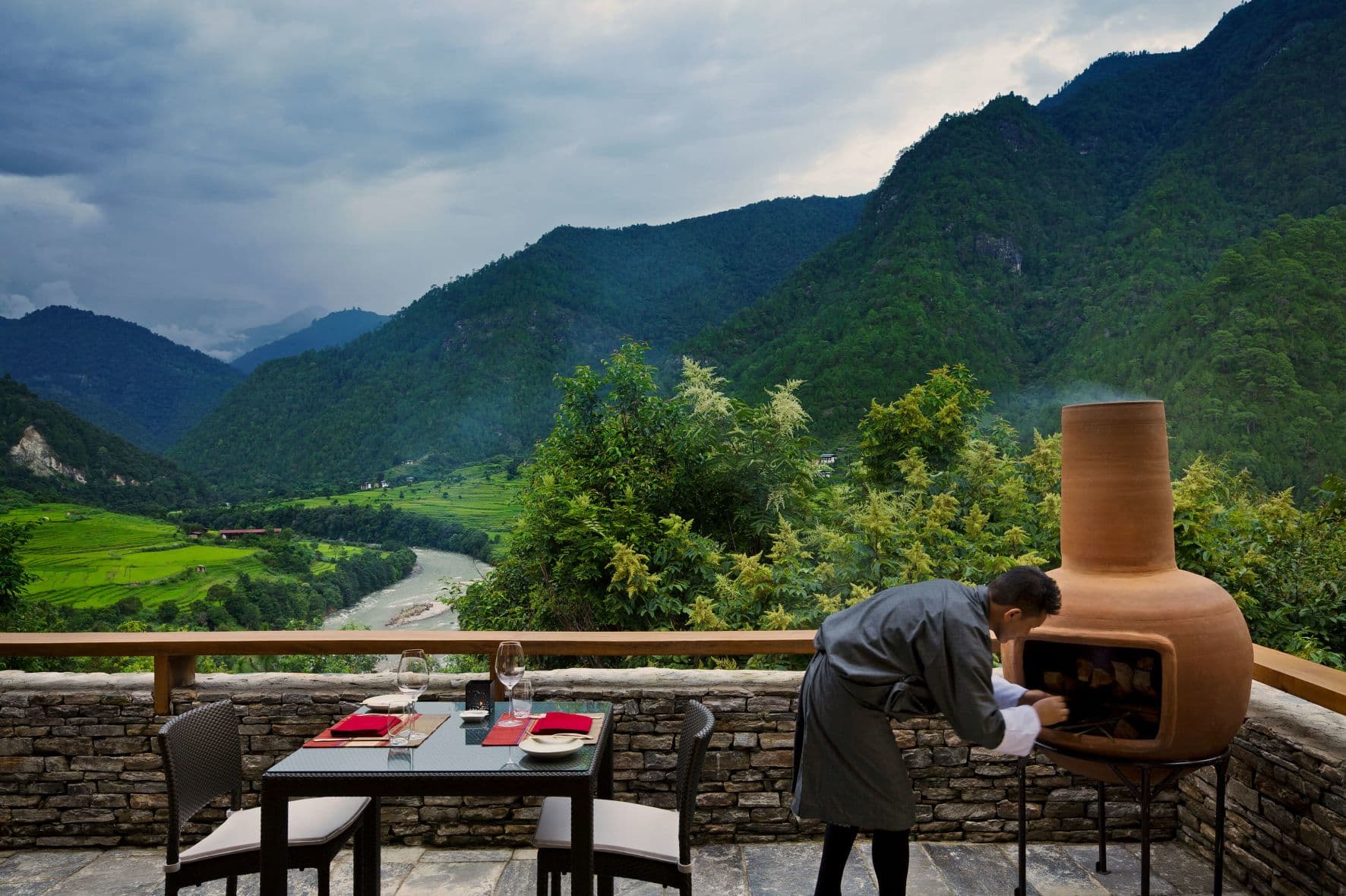
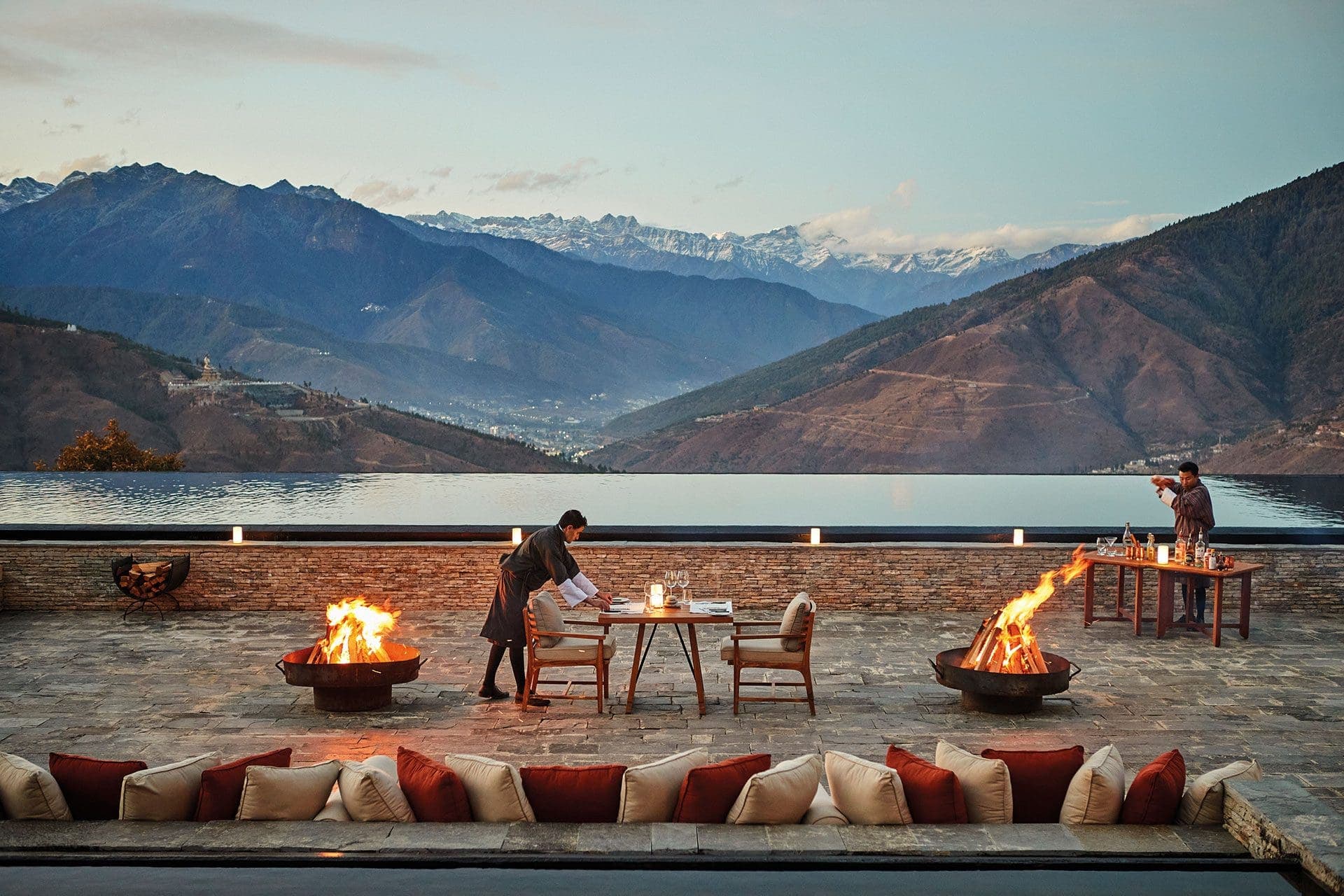
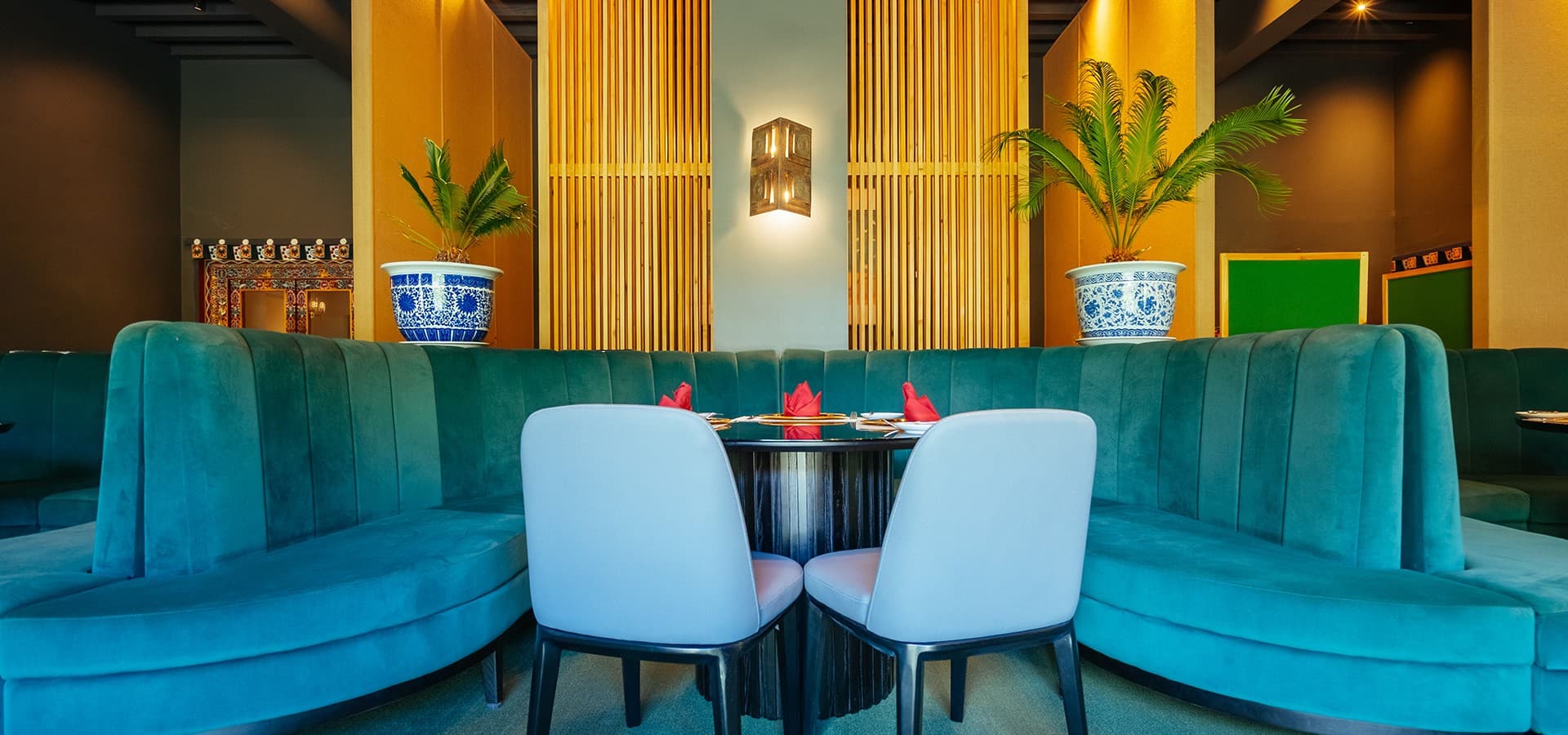
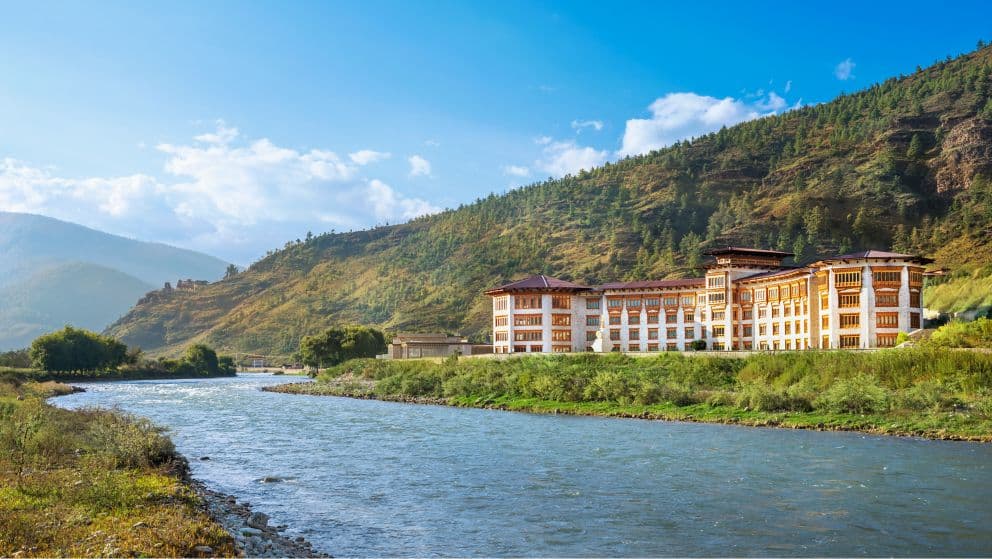
- The principal Bhutanese lodge kitchens — Amankora, Six Senses, COMO Uma, Zhiwa Ling — have substantial experience with the Indian dietary. Vegetarian (with or without onion-garlic), Jain (no root vegetables, no fermented products), and Hindu-fasting (specific day-of-week restrictions) are all accommodated routinely. The pre-arrival briefing gathers the specific household dietary, and the matched lodge chefs prepare the menus accordingly. Cross-contamination protocols (separate utensils, dedicated preparation surfaces) are arranged for strict-vegetarian households on request.
- Can grandparents in their 70s or 80s do the Tiger's Nest climb?
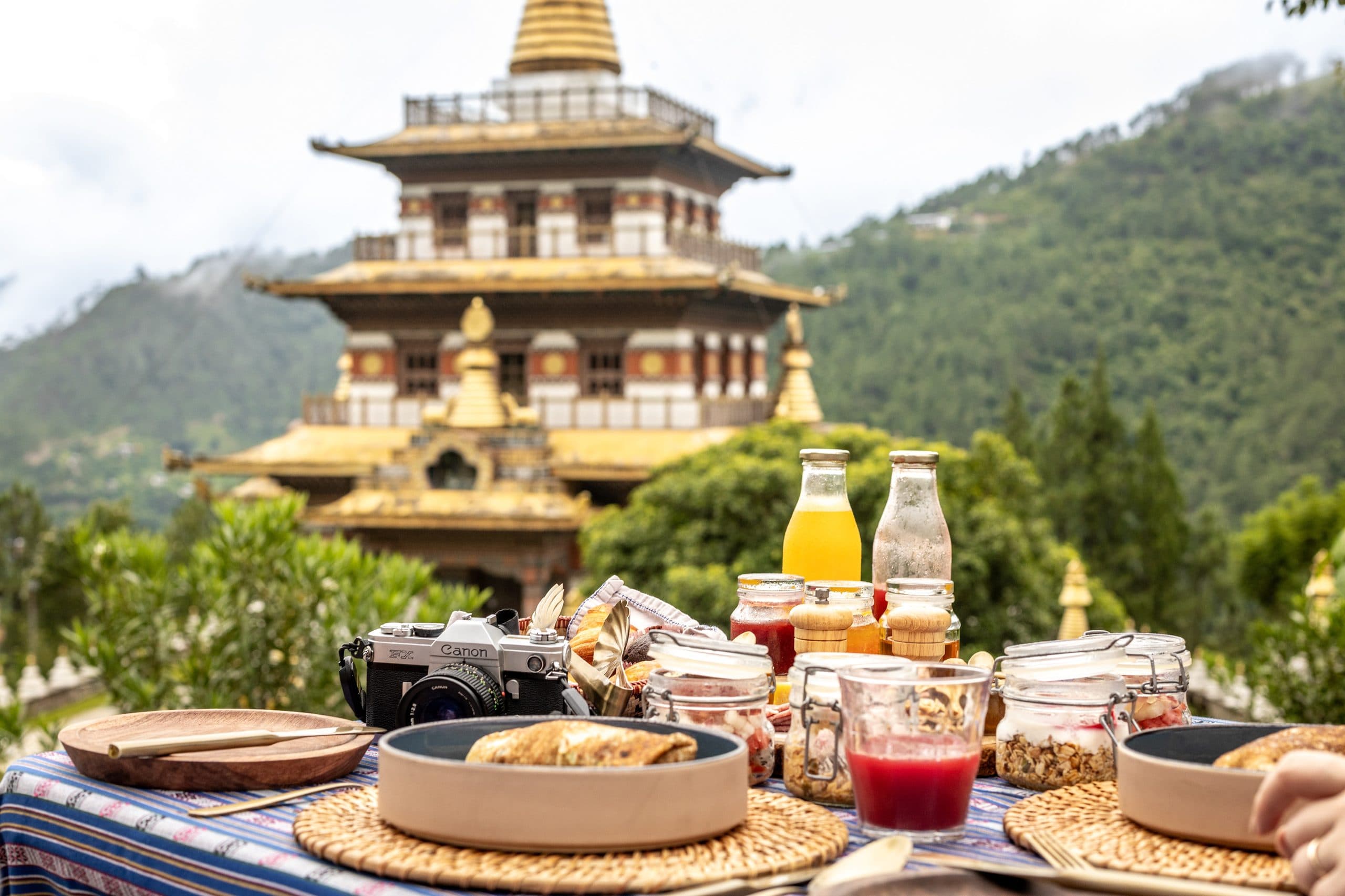
- Generally no, and we design the trip so they don't have to. The Tiger's Nest climb is approximately 700 metres of altitude gain on switchbacks at a 3,120 metre maximum — demanding for any traveller and not appropriate for most elderly travellers in their seventies or eighties. The viewing platform at the Tiger's Nest base — a 15-minute walk from the trailhead — gives the photograph and the look at the temple from the angle most photographs are taken from. The Taktsang cafeteria (open to non-climbing visitors) serves lunch. The recommended pattern: the climbing-age family members walk the full climb with the matched guide; the elderly grandparents and any small children read or rest at the base, take lunch at the cafeteria, and the family reconverges by mid-afternoon.
- What is the Bhutan-India cultural register at the sites?
- Substantial. The Vajrayana Buddhist tradition that defines Bhutan descends from the broader Sub-continental Buddhist civilisation; Sanskrit liturgical vocabulary, parallels in religious iconography, multi-generational pilgrimage tradition that maps onto the Indian pilgrimage. For Hindu families, the overlap is in the protector-deity framework (substantial Hindu-Buddhist syncretism across the sites), the architectural (Bhutanese dzongs and Indian fort complexes share defensive-religious functions), and the broader cultural-philosophical depth. A guide trained in the comparative Hindu-Buddhist register can read the overlap at sites like Chimi Lhakhang, the Buddha Dordenma, the National Memorial Chorten in a way that turns the visit into cultural reward rather than surface tourism.
- How private is the trip in practice?
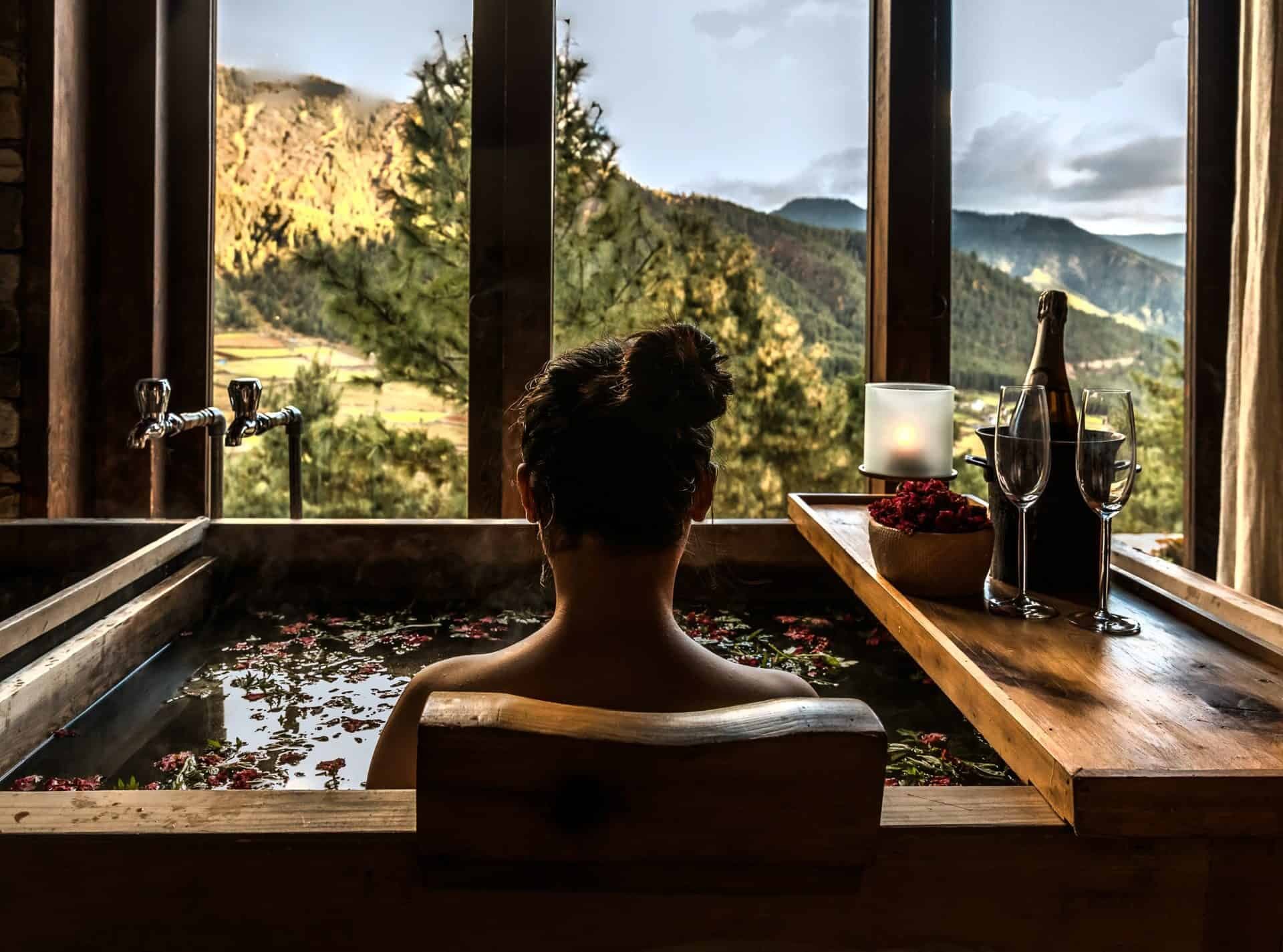
- Private. The matched guide and the experienced concierge are held for the family across the eight nights — no shared transport, no shared dining unless requested, no published photography. We handle premium-tier Indian HNI clients including senior business families, diplomatic figures, and principals who require substantial discretion; NDAs available on request. Private welcome and farewell at Paro arrivals. The Amankora and Six Senses villas are exclusive to the family during their stay.
- What is the booking lead time?
- Comfortable lead time is 8 to 12 weeks for autumn (mid-October to late November) and spring (March to May) windows. For Clear-Sky Bhutan (December to February) the lead time can be 6 to 8 weeks. For the festival windows (Paro Tshechu in late March / first week of April, Thimphu Tshechu in late September / first week of October, Punakha Drubchen in late February / early March) we recommend 4 to 6 months ahead. Indian peak-travel windows (Dussehra, Diwali, the Christmas-New Year period, summer school holidays) overlap with elevated demand from the broader Indian market; book 3 to 4 months ahead.