- How does the comparative-Buddhist conversation work in practice?
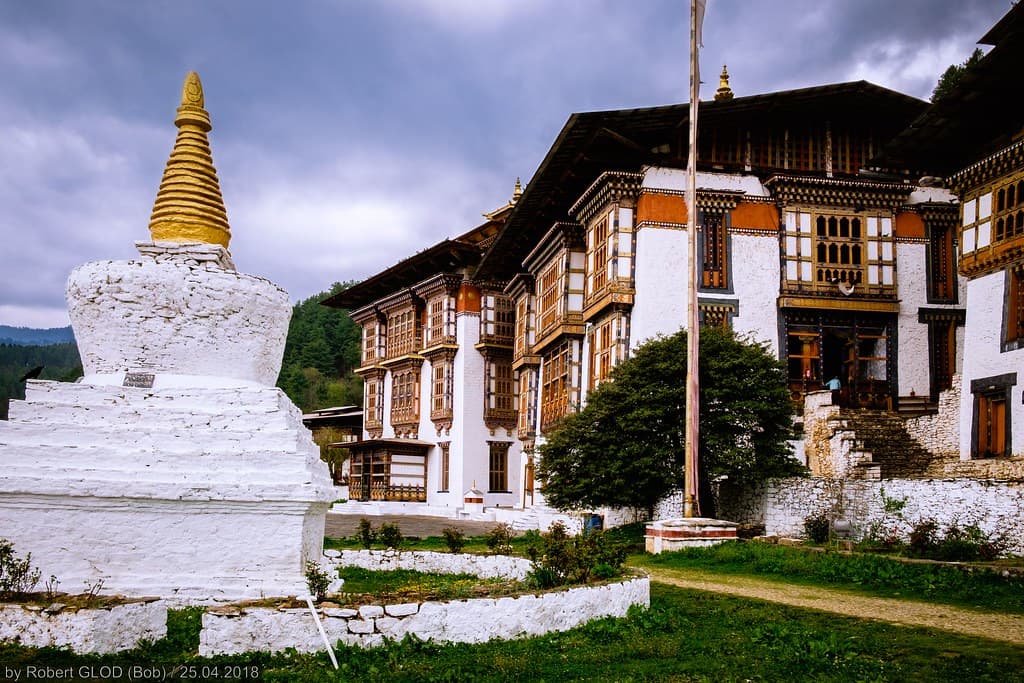
- The matched knowledgeable guide leads the cultural reading at each site — but in the comparative rather than the introductory. The visitor's own Buddhist background (Theravada, Tendai, Shingon, Zen, Seon) is read as the baseline; the guide names the Bhutanese Vajrayana parallel or contrast. For a Shingon practitioner at Kurjey Lhakhang, the conversation is about the Guru Rinpoche / Kūkai parallels and the shared mandala framework. For a Thai Theravada practitioner at the National Memorial Chorten, the conversation is about the shared Sangha-respect framework and the Pali / Tibetan canon distinctions. The tradition is comparative depth, not introductory tourism.
- Do I need prior Buddhist study?
- For this specific journey, yes. The trip is designed for visitors with existing Buddhist background — whether practising lay (sutra reading, meditation practice, monastery engagement) or academic (Buddhist studies, comparative religion). The comparative register requires the baseline. For visitors with introductory or new interest in Buddhism, see [[bhutan-buddhist-pilgrimage-asian-markets]] for the introductory, or the broader [[bhutan-cultural-immersion-spring]] for the general cultural-religious framework.
- How does the monastic-access framework work?
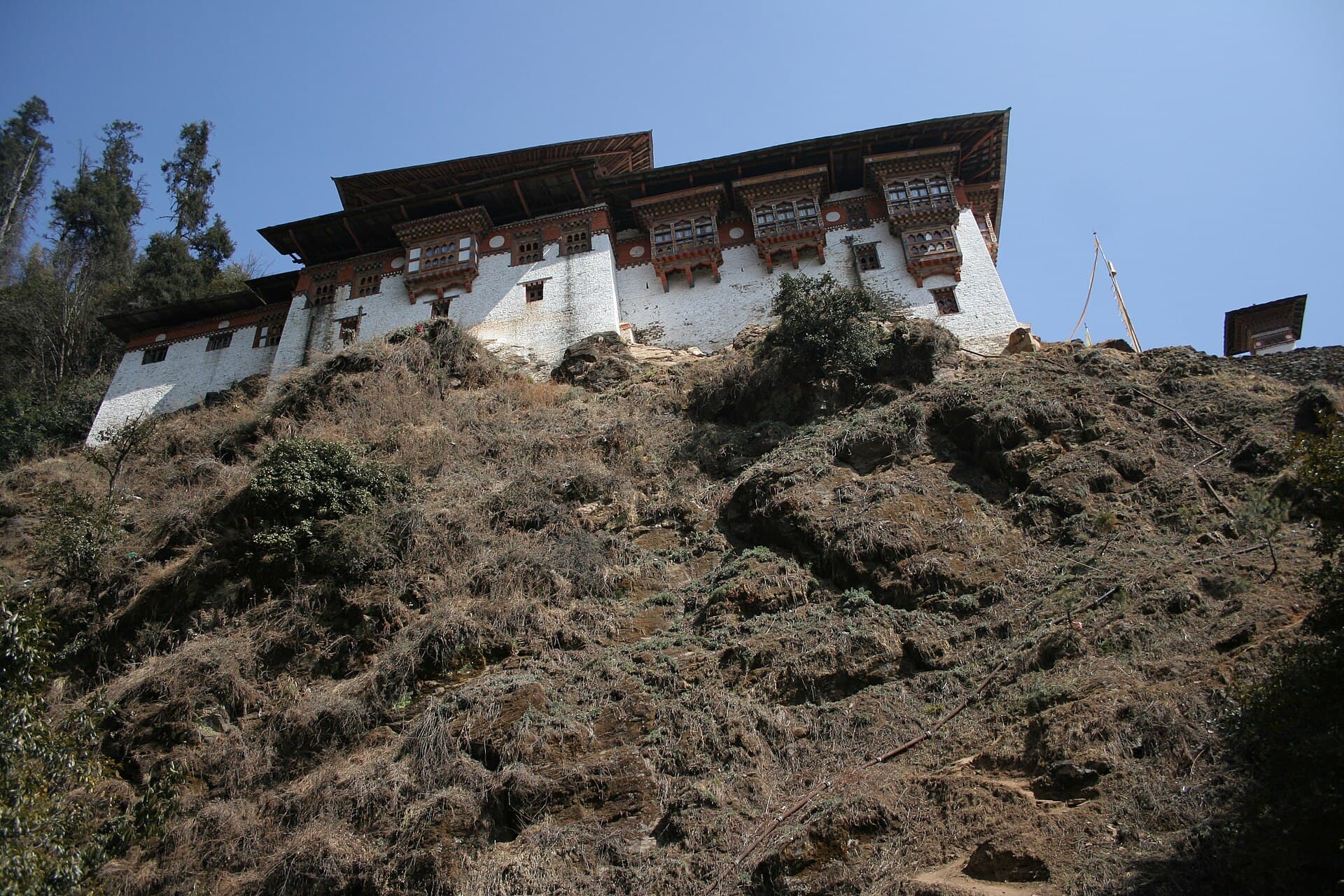
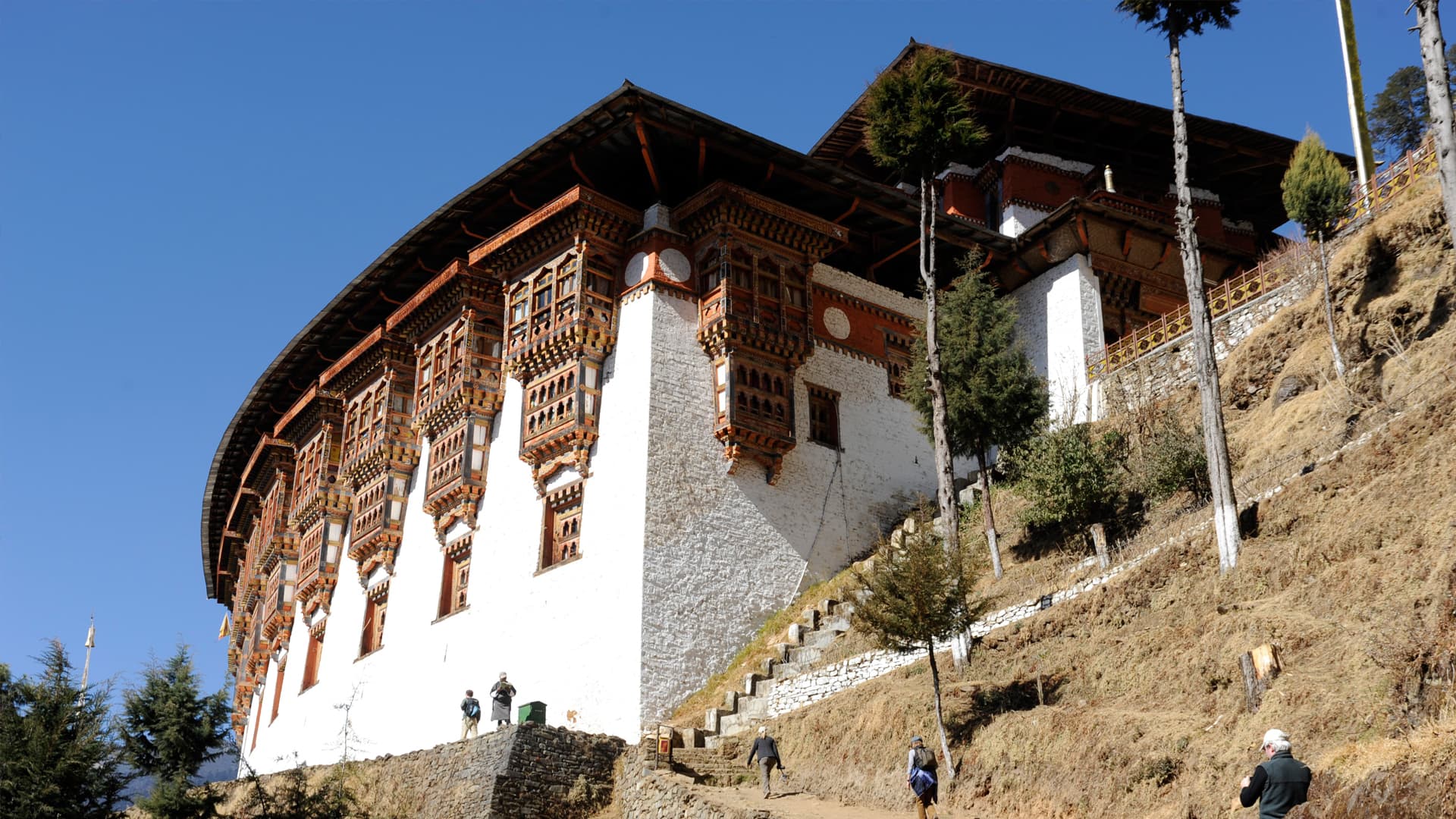
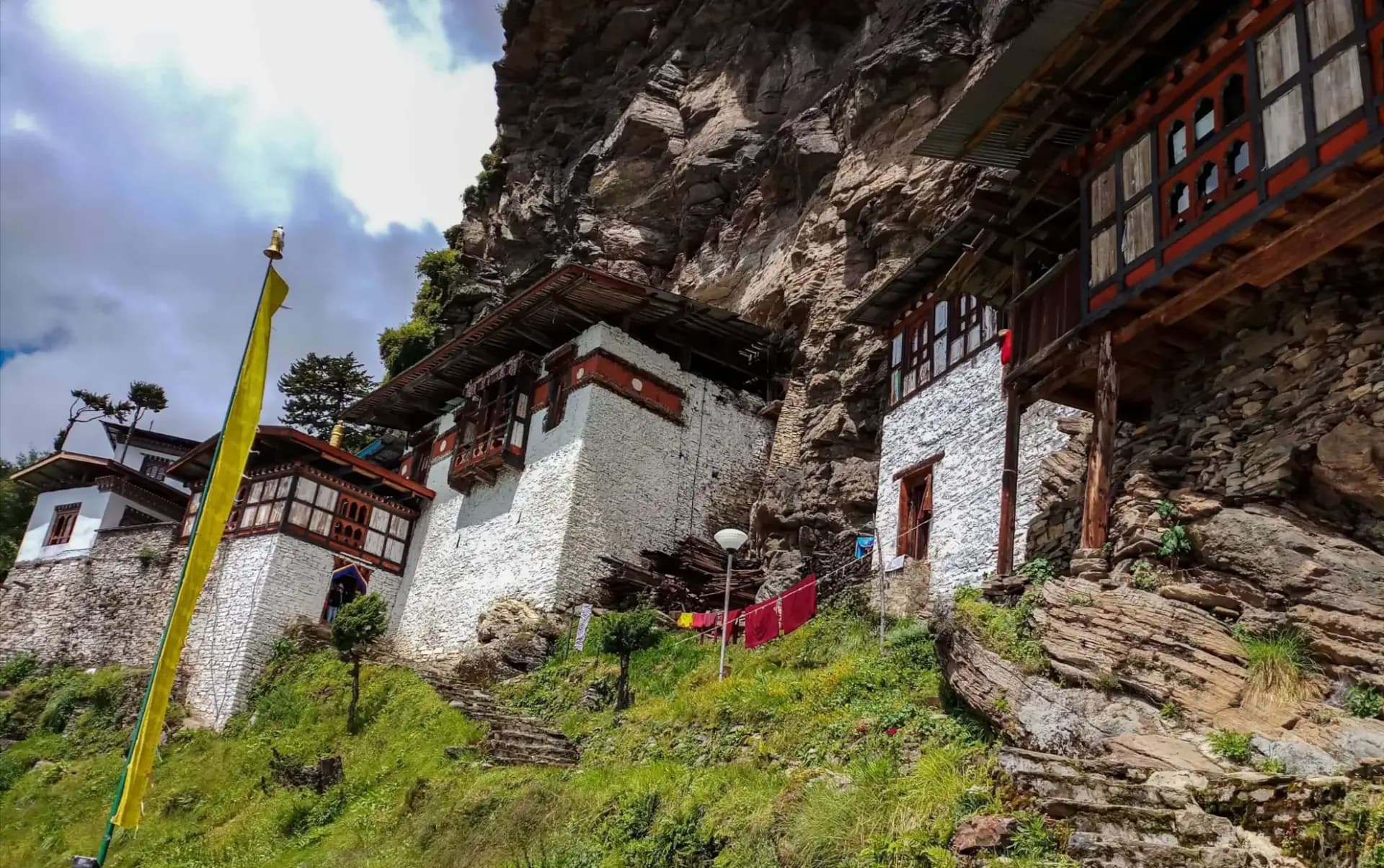
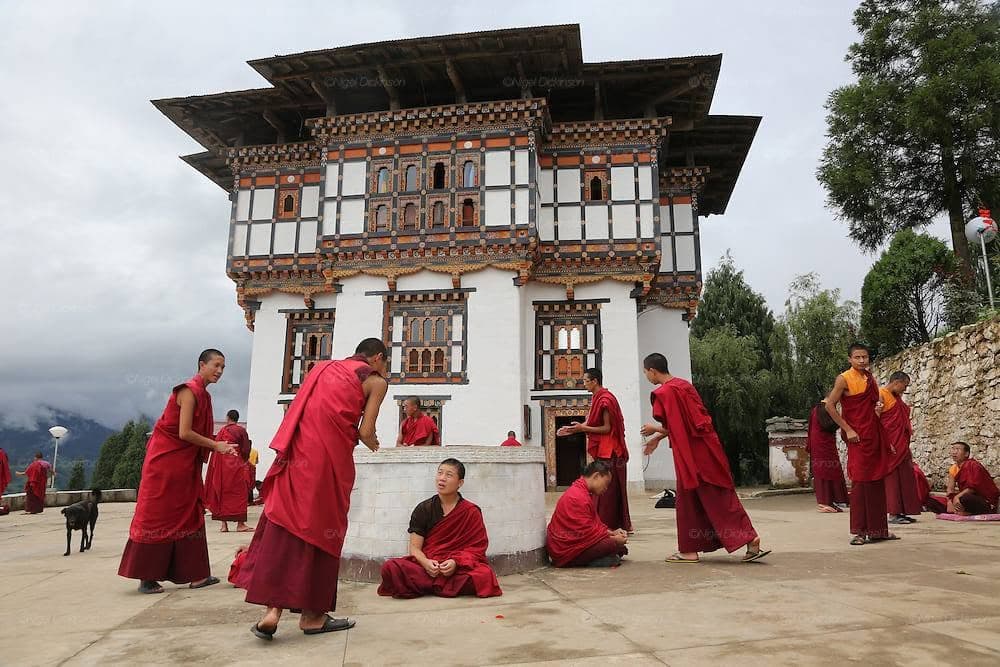
- The principal Bhutanese monasteries (Tango, Cheri, Kurjey, Tamshing, the Zhabdrung's Machhen Lhakhang at Punakha) are accessible to international visitors with a guide, during published hours (typically 9 a.m. to 5 p.m.). For religious-practitioner visitors who want the early-morning or late-evening monastic-prayer access (the contemplative hours), the matched knowledgeable guide arranges where the relationship with the senior monks at each site allows it. The arrangement is not universal — some monasteries maintain the contemplative-hours tradition as closed; the matched guide reads the specific site relationships.
- How does Bhutan compare to a Tibet trip for Buddhist comparative interest?
- Bhutan is the only accessible Vajrayana state — Tibet's religious framework operates under constrained Chinese state oversight, with the contemporary monastic and lay practice limited compared to the 1950s pre-annexation baseline. Bhutan is the continuous Vajrayana civilisation that has never been constrained — the monastic body, the lay practice, the royal-religious framework are all continuous. For comparative-Buddhist interest, the Bhutanese tradition is the more option. See the [[bhutan-and-the-tibetans]] umbrella for the broader relationship context.
- What is the booking lead time?
- For the autumn (October-November) and spring (March-May) Buddhist windows, 8 to 10 weeks lead time. For festival-aligned versions (Paro Tshechu, Thimphu Tshechu, Punakha Drubchen, Jambay Lhakhang Drup with the Mewang fire ritual in October-November), 4 to 6 months. The Asian-market booking pattern is Asian-cultural-calendar-aware — Songkran in Thailand, Golden Week in Japan, Chuseok in Korea — and we coordinate the Asian-market windows specifically.
- What about Bumthang accessibility — is the long drive reasonable?
- Bumthang is the most religious of the Bhutanese valleys but is also the longest drive from Paro (8 to 9 hours via Trongsa, typically broken across two days). For visitors with religious priority, the drive is worth it — the Bumthang religious sites (Jambay, Kurjey, Tamshing, Mebar Tsho) are the heartland that the Paro-Thimphu-Punakha circuit alone cannot capture. The Royal Bhutan Helicopter Services flight (Paro–Bumthang 45 minutes) eliminates the drive days where the principal's preference and the operational window allow it.