Preparing
LoadingPreparing
Loading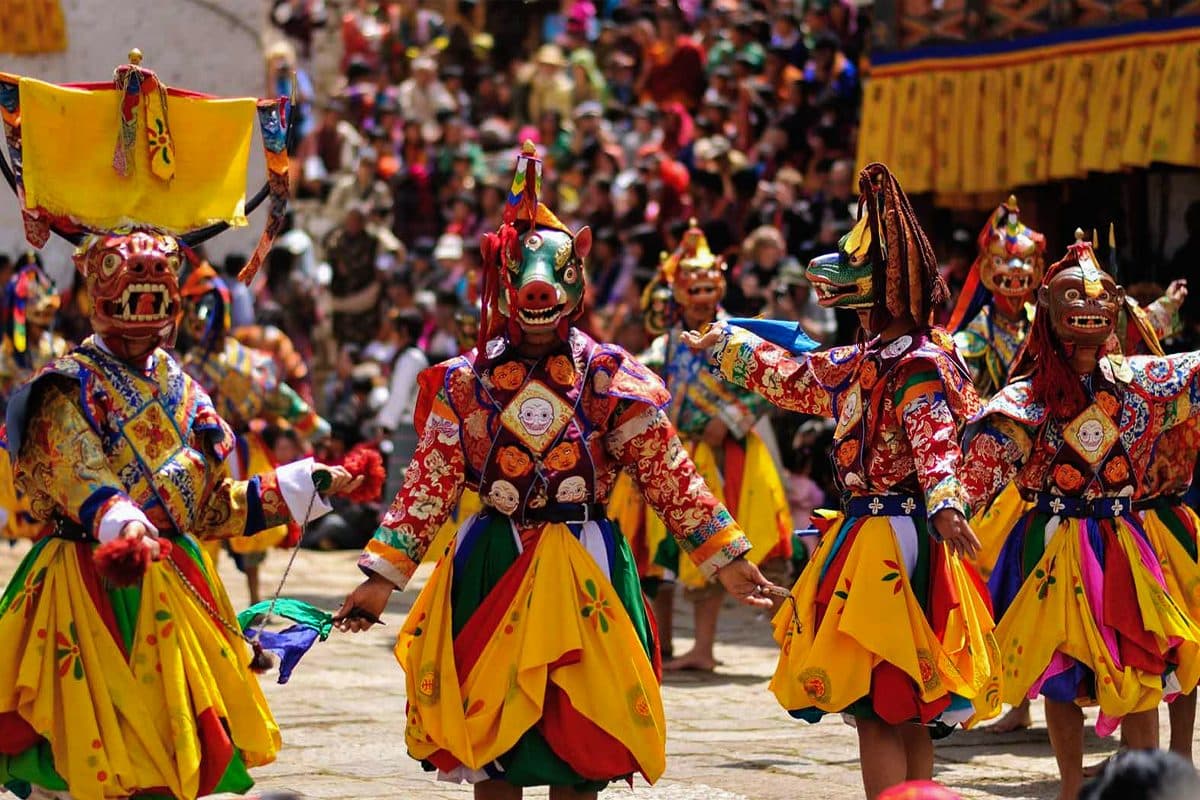
The principal spring festival
The Paro Tshechu is one of Bhutan's most internationally-attended festivals — held annually at Rinpung Dzong, typically in late March or early April. The festival runs five days, culminating in the pre-dawn unfurling of the giant thongdrel on the final morning.
tshechu · Rinpung Dzong, Paro · Paro
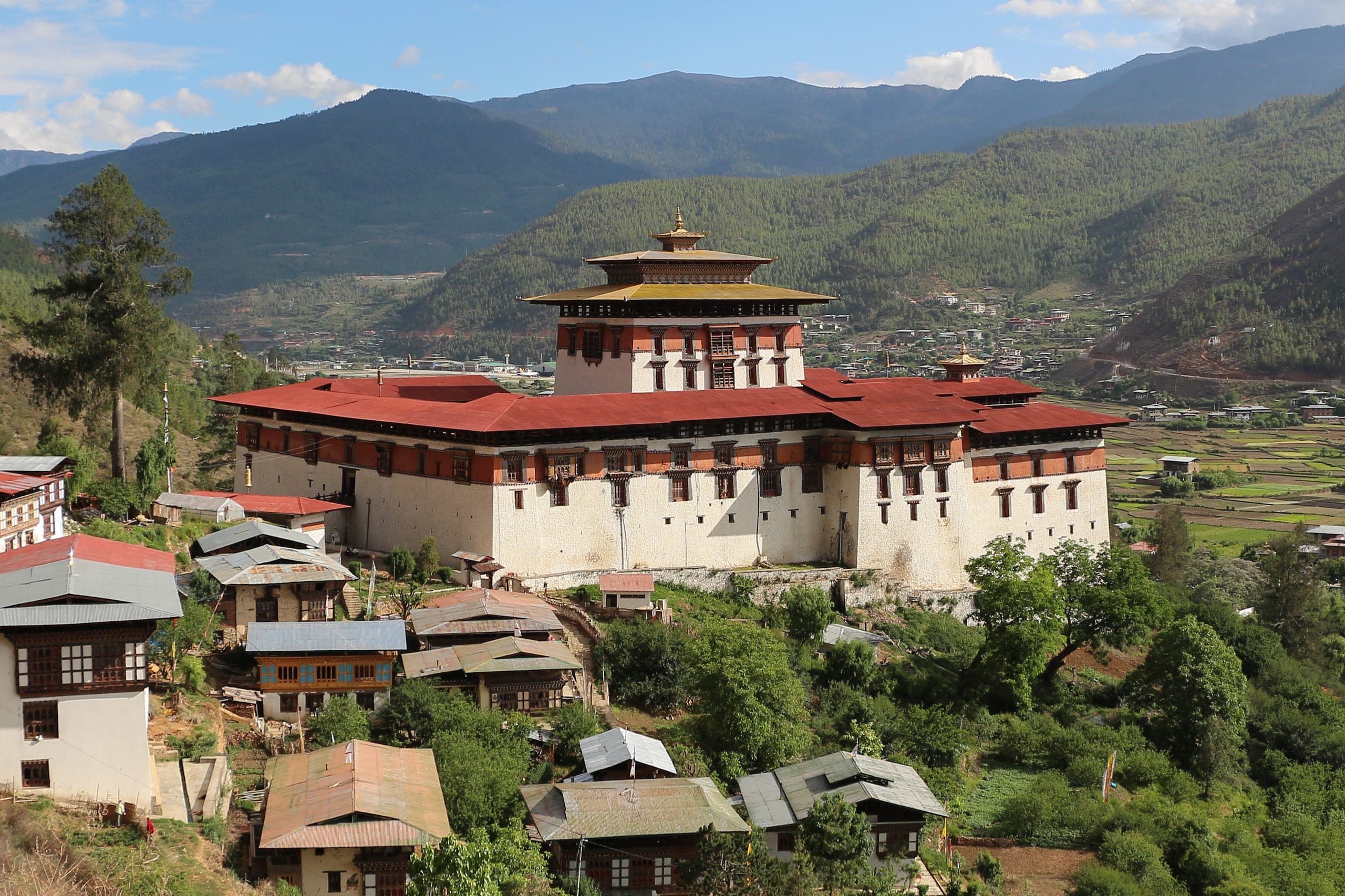
The Paro Tshechu draws the largest international attendance of any Bhutanese festival — typically several thousand visitors across the five days. It's held at Rinpung Dzong (Paro Dzong), the principal dzong of the western valley, and the timing in late March or early April catches Bhutan in the spring window — cherry blossom along the Pa Chhu in early bloom, rhododendron on the surrounding ridges. The festival has been held annually for centuries; the modern visitor experience is unchanged in substance from its 17th-century origin.
Day 1 and Day 2 are preparatory religious observances (mostly attended by monastic community and local pilgrims). Day 3 brings the principal mask dances — the Pholay Molay, the Drametse Ngacham, and the cycle of dances representing Guru Rinpoche's eight manifestations. Day 4 is the largest public day with the full chams programme. Day 5 culminates in the pre-dawn unfurling of the thongdrel — a giant applique-and-embroidery thangka, perhaps fifteen metres wide and thirty metres tall, depicting Guru Rinpoche. The thongdrel is unfurled at 4:30am before sunrise, displayed for a brief window of perhaps thirty to forty-five minutes, and rolled back up before the sun touches it directly. This is the principal photographic moment of any Bhutanese trip in the spring window.
Bhutanese families attend in their finest gho and kira; the dzong courtyard is the festival venue and substantially crowded. The atmosphere is reverent and festive simultaneously — religious significance is genuine, but the picnic-and-community context sits alongside. Respectful clothing is required (shoulders and knees covered). Photography permitted in the courtyard. The pre-dawn thongdrel viewing requires getting to the dzong gates by 4am; we recommend basing at a Paro lodge for the duration and walking or driving to the dzong before dawn.
What a visitor encounters
Day 3 mask dances; the Pholay Molay (a semi-comic courtship cham) and the principal protector-deity dances. Atsaras — masked clowns — move through the crowd with ritual irreverence.
4:30am on the final day. The crowd is substantial but quiet; the unfurling lasts perhaps thirty minutes. Pilgrims pass beneath the thongdrel to receive blessing.
Lunch in the dzong courtyard with Bhutanese families; food stalls outside the dzong; the substantial festival atmosphere on the days that ring around the religious programme.
Paro lodges fill 3–6 months in advance for the Tshechu window. The premium lodges (Amankora Paro, COMO Uma Paro, Zhiwa Ling, Six Senses Paro) are typically booked first.
Dates by year
The Bhutanese calendar is a distinct lunar system, not identical to the Tibetan or the broader Indian lunar calendars, and the Gregorian dates of every Bhutanese festival shift each year. The Royal Government's Department of Tourism publishes the official calendar each year, typically 6 to 12 months in advance. The dates below are our projection from the published lunar pattern (11th–15th day of the 2nd Bhutanese lunar month); we confirm each year against the Department of Tourism's release and update this page accordingly. Before you finalise travel dates, please confirm with our concierge.
| Year | Dates | Note |
|---|---|---|
| 2026 | 28 March - 1 April 2026 | |
| 2027 | 17-21 April 2027 | |
| 2028 | 5-9 April 2028 |
Common questions
Monuments at and around this festival
Monument
Rinpung Dzong (Paro Dzong) — the heap of jewels, founded 1644. History, architecture, visiting, the Paro Tshechu venue.
Monument
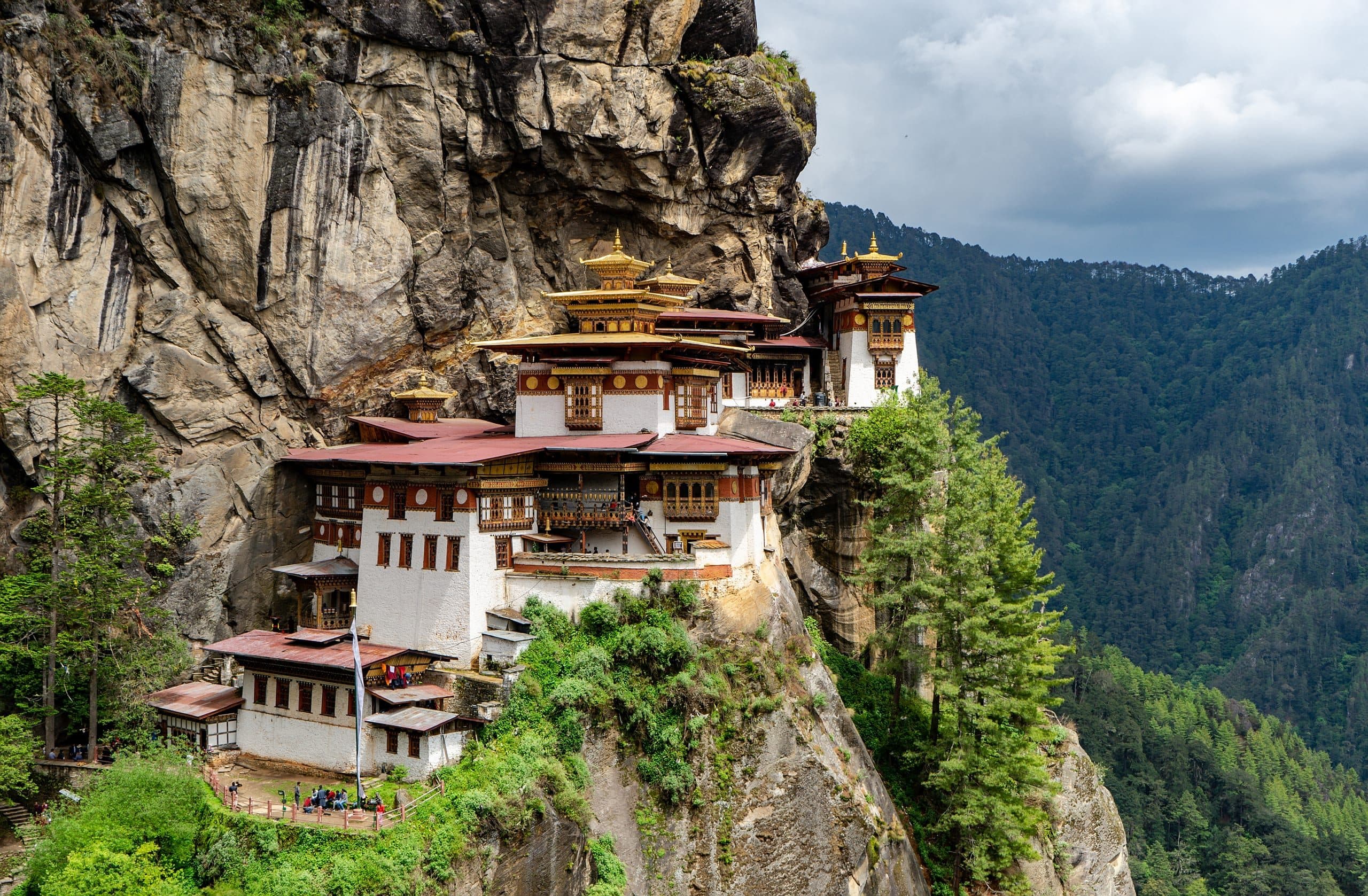
Paro Taktsang (Tiger's Nest) — the founding by Guru Rinpoche, the 1692 monastery, the 2-hour hike, what to know before you visit.
Monument
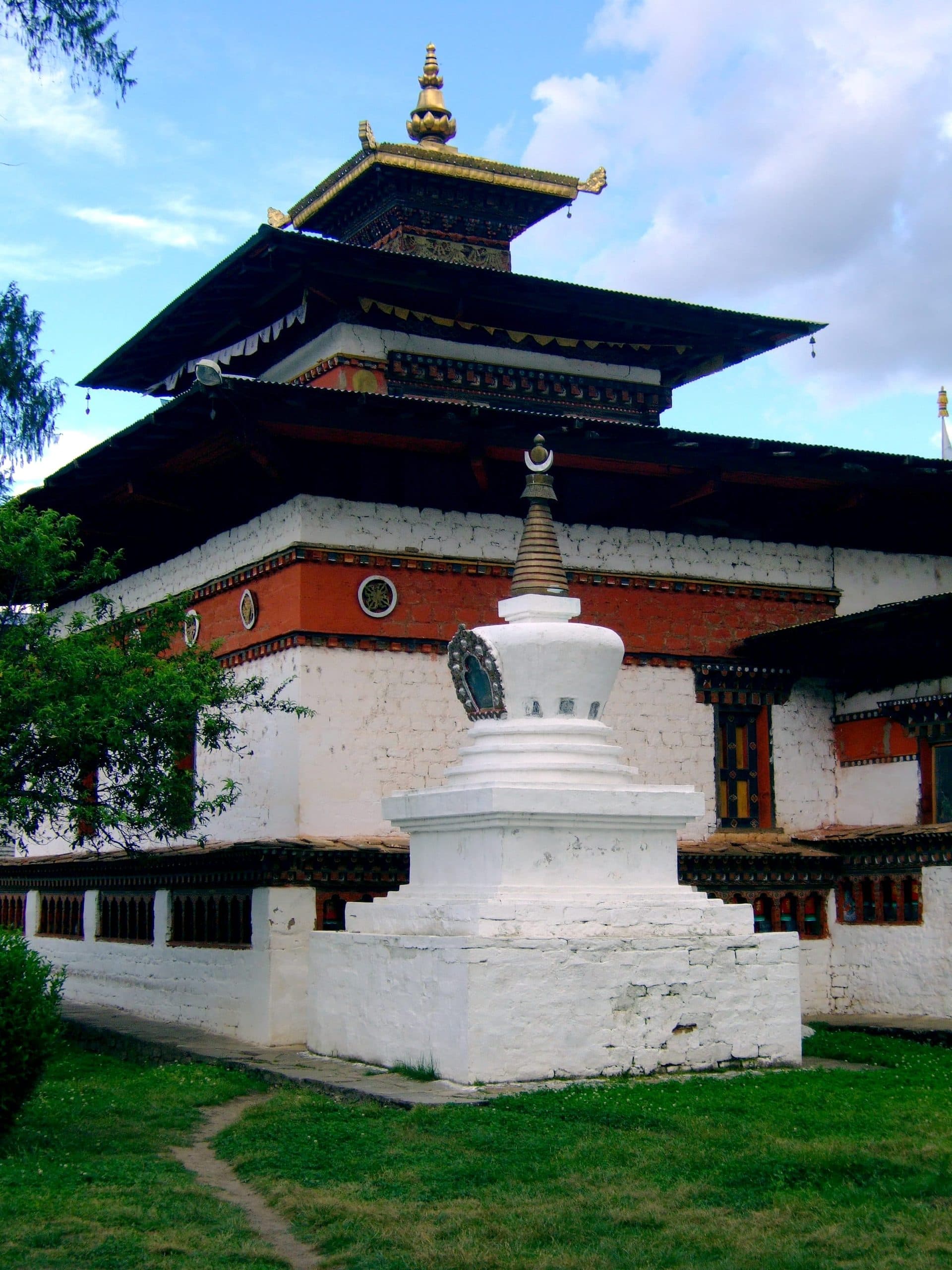
Kyichu Lhakhang — the 7th-century temple of Paro, one of 108 Songtsen Gampo founded across the Himalaya. History, visiting.
Journeys around this festival
Journey
Bhutan from Singapore for the March school holiday — pre-Paro Tshechu shoulder, six nights, family-friendly Bhutan, spring rhododendron.
Journey
A nine-night Bhutan itinerary built around the Paro Tshechu — the spring mask-dance festival at Rinpung Dzong, with six days for the wider country.
Journey
A nine-night Bhutan photography journey in the spring window — cherry blossom, rhododendron, the Paro Tshechu thongdrel unfurling at dawn at Rinpung Dzong.
Five questions. A bespoke draft back within a day or two.