- Should I plan around Paro Tshechu?
- Depends on your priority. If the festival itself is the draw, lock the Tshechu week 9-12 months ahead. If the considered cultural experience is the priority (and the festival pressure isn't the goal), the pre-Tshechu shoulder in the Singapore March school holiday gives the same Bhutanese cultural depth with substantially better lodge availability and a more intimate atmosphere. For first-time Singapore families, we increasingly recommend the shoulder over the festival week.
- Will the rhododendron be blooming?
- The lower-valley rhododendron (1,200-2,000m elevation) typically begins flowering in mid-to-late March in the Punakha and Wangdue valleys. The upper-valley and alpine rhododendron blooms progressively later (April-May). For the March school-holiday week, expect the lower-valley bloom in good years; the alpine tradition is for the late-May visitor.
- How cold will it be?
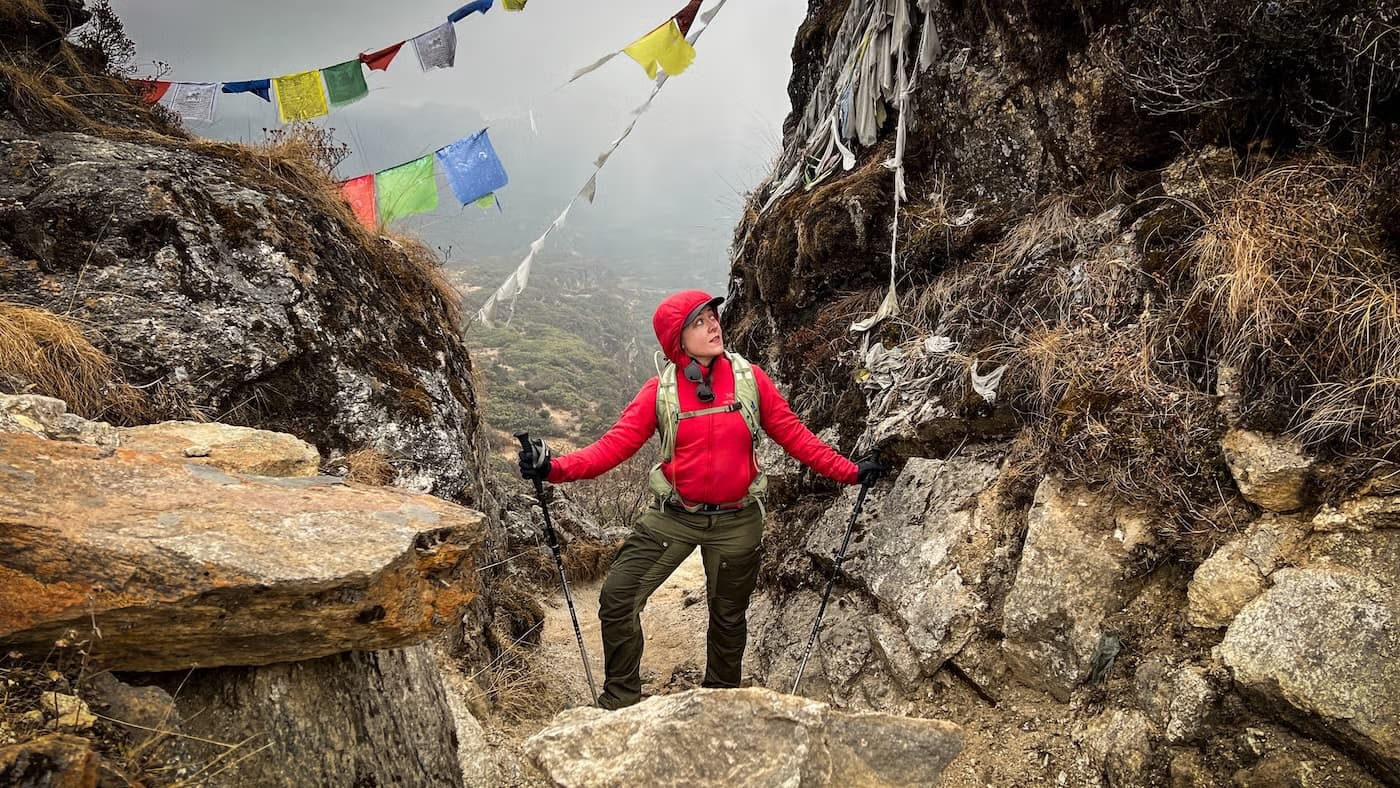
- Daytime: 12-20°C in the western valleys (warm-spring window). Mornings: 0-8°C. Pack layers — a warm fleece + waterproof shell handles the range. The Punakha valley at 1,200m is meaningfully warmer than Paro (2,200m) and Thimphu (2,300m); the contrast is one of the trip's pleasures.
- Is the Tiger's Nest hike OK in March?
- Excellent. The trail is dry, the cliff-face tradition sharp, the morning weather typically reliable. Children 8+ with reasonable fitness complete the round trip comfortably (with the standard horse-to-cafeteria option for the lower section if needed). The March light is particularly good for the principal photographic moment.
- How early should I book the March holiday?
- 4-6 months ahead for the standard shoulder dates; 6-9 months ahead if any part of your week overlaps with the Paro Tshechu festival period (which varies year-on-year per the Bhutanese lunar calendar). Our concierge confirms the exact Tshechu dates against your travel week and surfaces alternative dates if your week lands on the festival peak.