- When exactly does the Paro Tshechu fall?
- The festival is the 11th–15th days of the 2nd Bhutanese lunar month, which converts to late March or early April on the Gregorian calendar. The precise dates shift each year; the country's Department of Tourism publishes the festival calendar 6–12 months in advance. Book against the specific year's dates.
- How crowded is the Paro Tshechu?
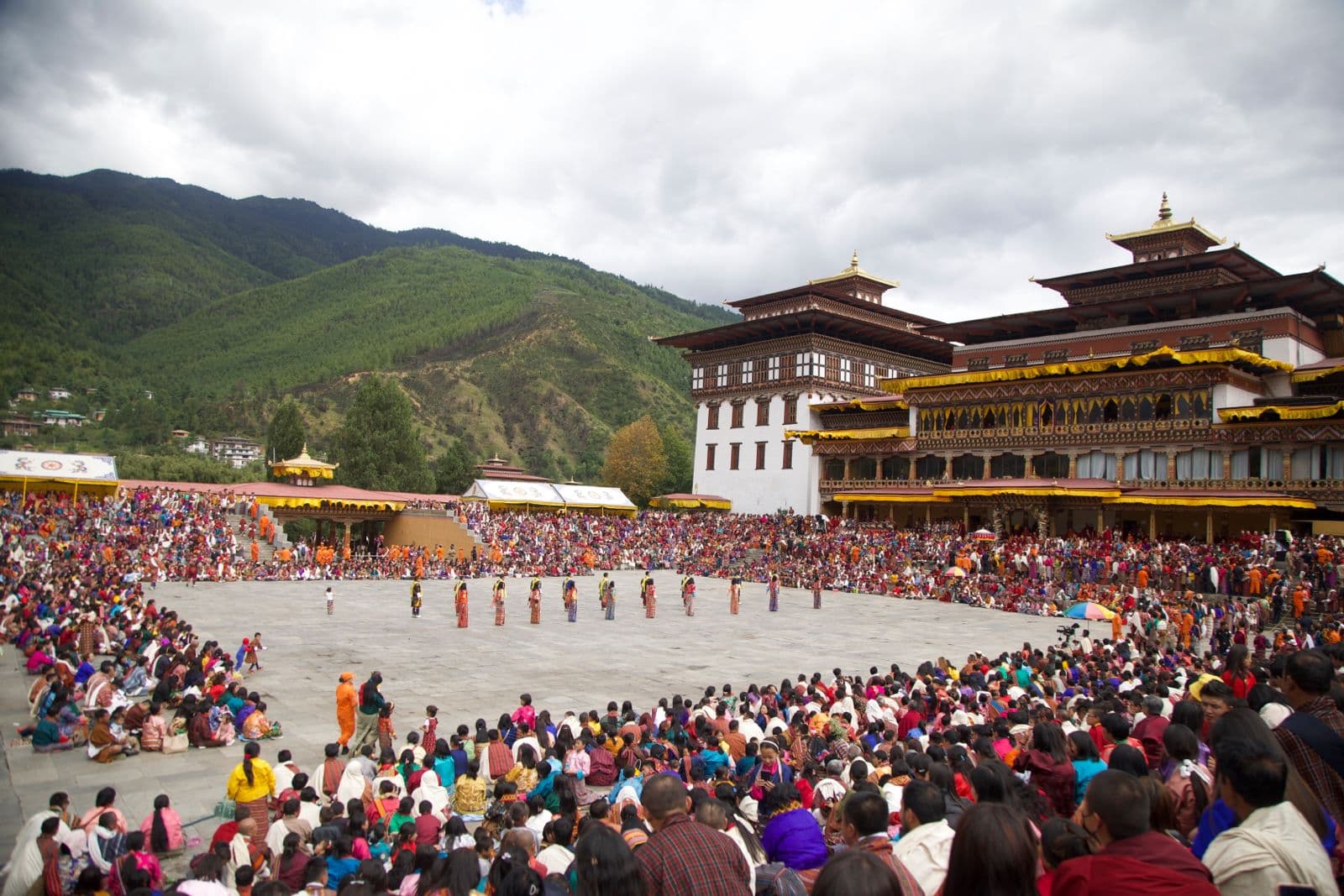
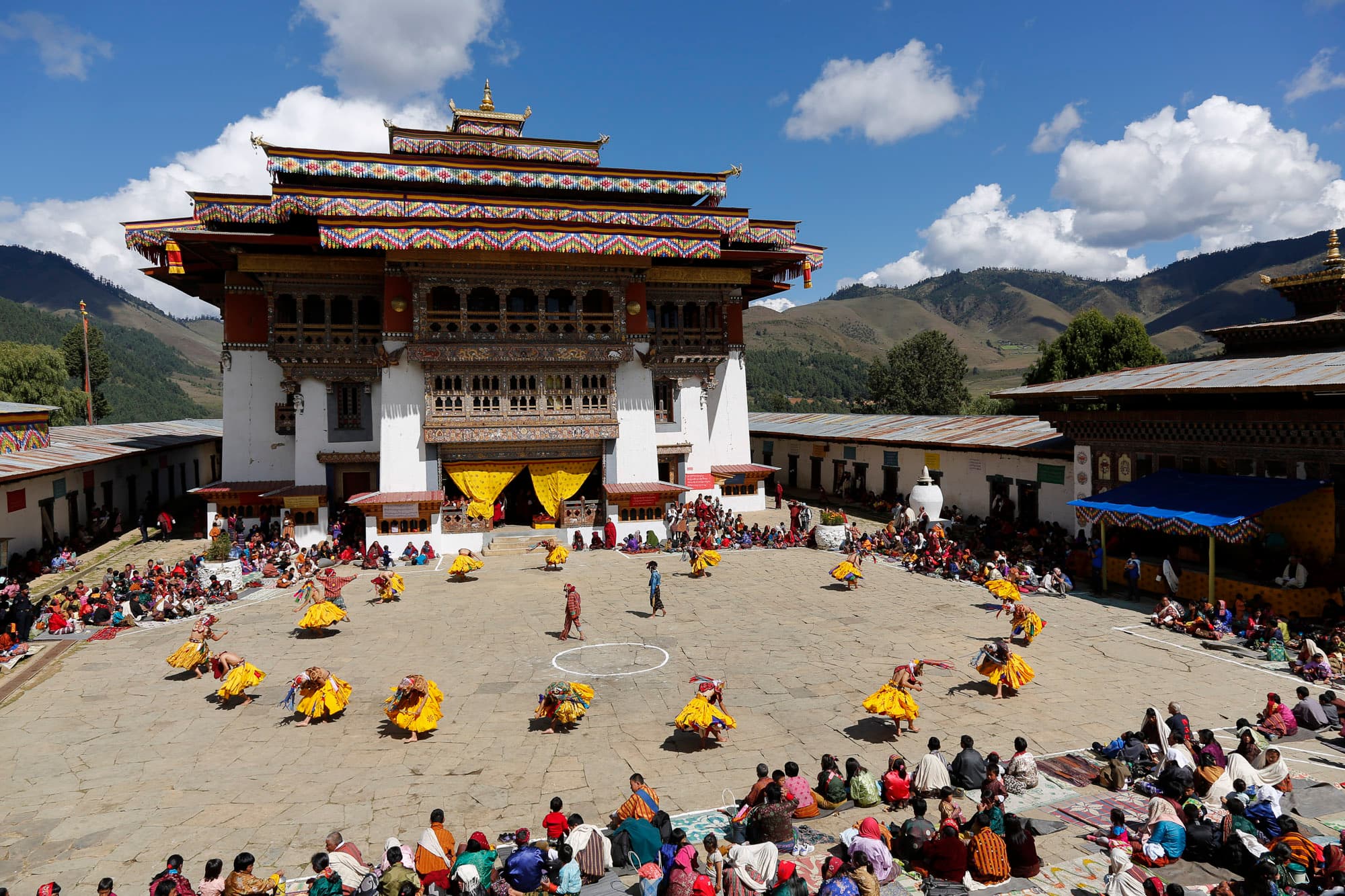
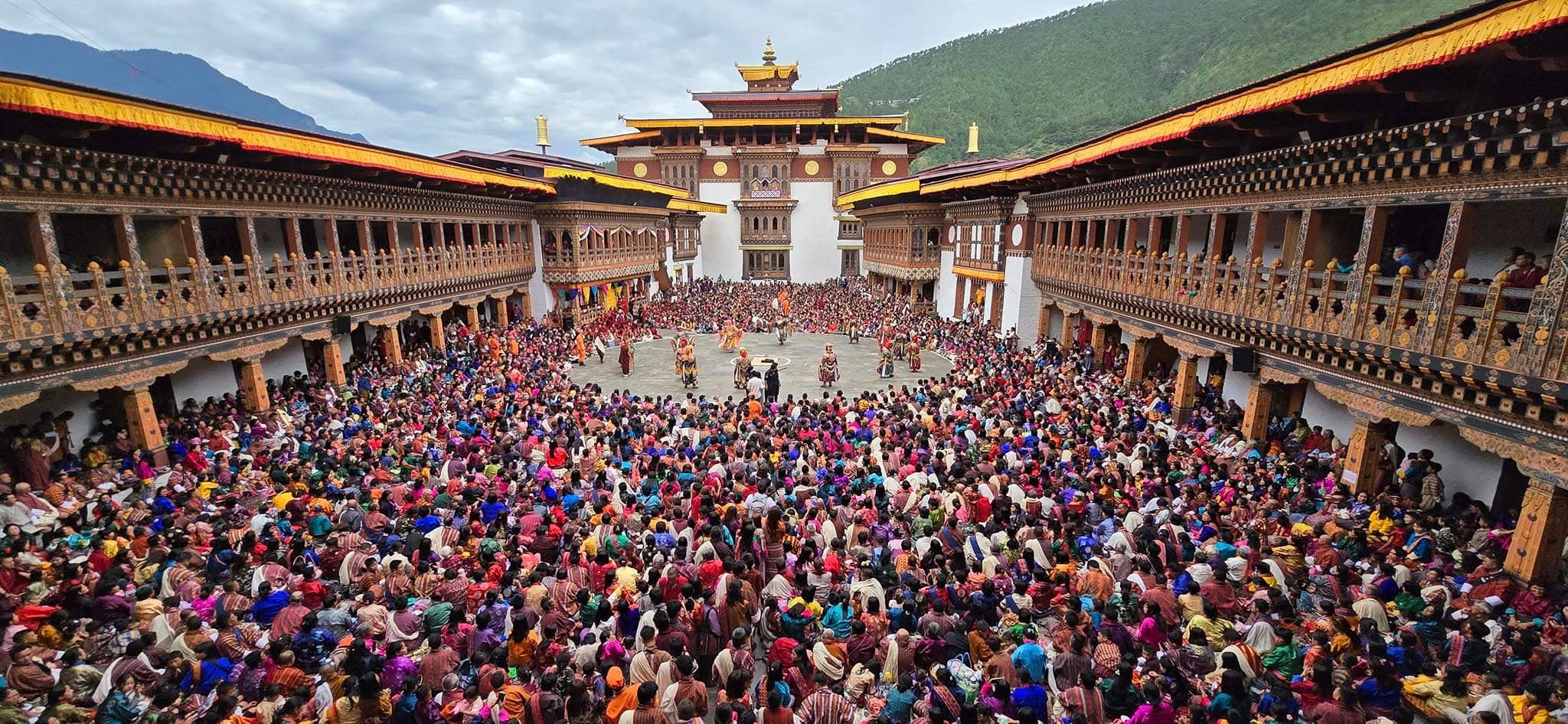
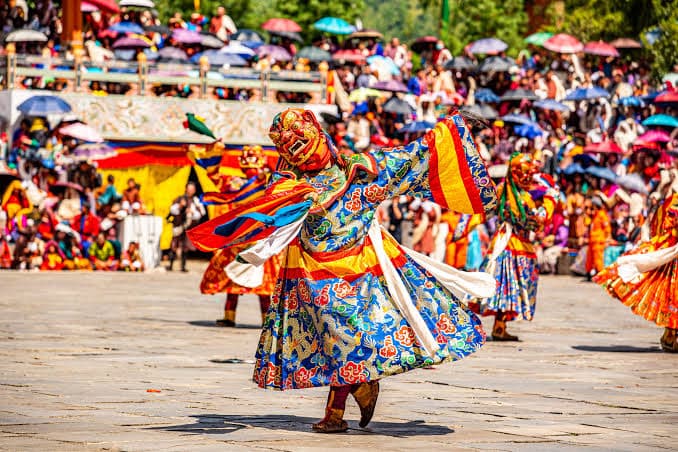
- It is the most internationally-attended Bhutanese tshechu — several thousand attendees on the principal days. The Bhutanese family crowds are substantial and the atmosphere is communal-festival rather than intimate. For the most reverent, choose one of the smaller dzongkhag tshechus (Wangdue, Trongsa, Lhuentse) instead. For the most photographed, most accessible festival, Paro is the destination.
- What about the thongdrel — what is it and when?
- The thongdrel is the giant applique-and-embroidery thangka — perhaps 15 metres wide and 30 metres tall — depicting Guru Rinpoche in his eight manifestations. It is unfurled before dawn on the third day, displayed for a brief blessing window, and rolled back up before the sun touches it directly to protect the silk and gold thread. We arrive at the dzong gates as they open (typically 4–4:30am).
- What about the Sustainable Development Fee?
- Included across the nine nights — USD 100 per night per international visitor. The SDF funds the country's environmental protection, free citizen education, and free citizen healthcare.