Preparing
LoadingPreparing
LoadingA Bhutanese royal event · Tashichho Dzong, Thimphu
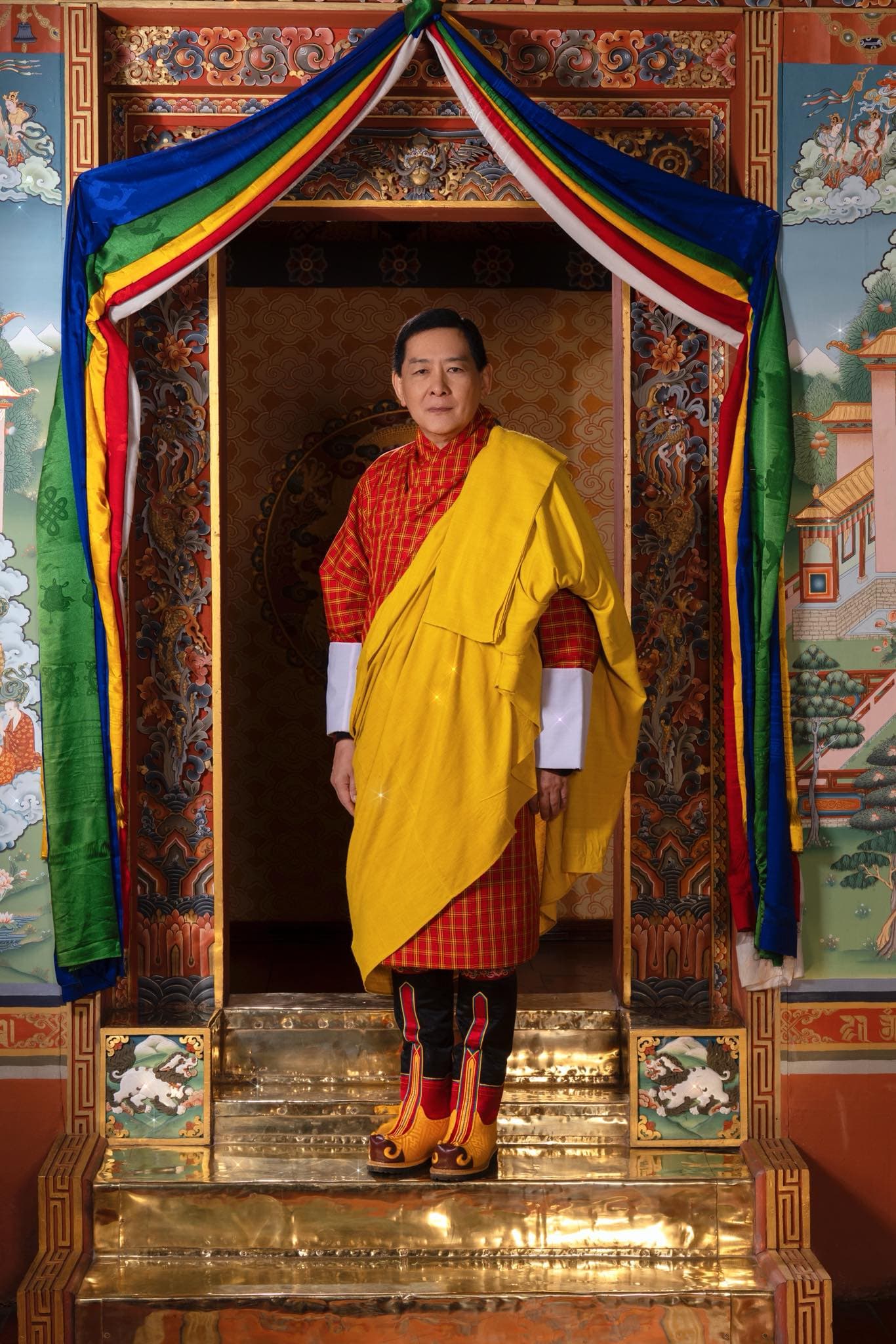
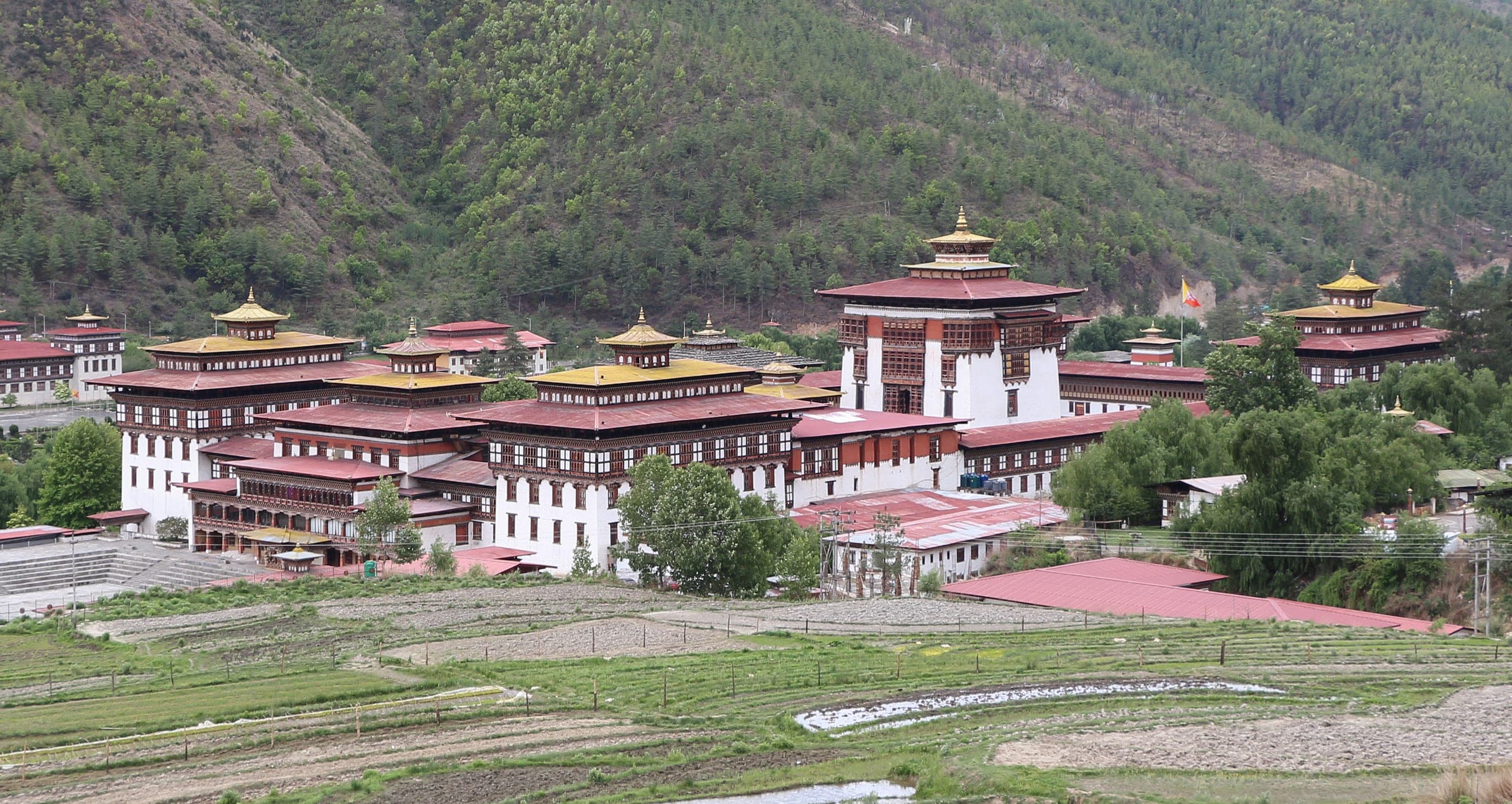
On 14 December 2006, His Majesty Jigme Singye Wangchuck, the Fourth Druk Gyalpo, voluntarily abdicated the throne in favour of His son, His Majesty Jigme Khesar Namgyel Wangchuck. The Royal Decree was announced earlier the same month (9 December), the formal handover took effect on 14 December, and His Majesty the Fifth Druk Gyalpo's formal coronation followed at Tashichho Dzong on 6 November 2008. The decision — internationally unprecedented in modern monarchy — was the principal enabling step for the 2008 constitutional democracy transition.
His Majesty Jigme Singye Wangchuck, the Fourth Druk Gyalpo, voluntarily abdicated the throne in favour of His son, His Majesty Jigme Khesar Namgyel Wangchuck. The abdication had been first signalled in His Majesty's Royal Decree of 2005, which stated the intention to abdicate in favour of His son. The formal sequence unfolded across mid-December 2006: the Royal Decree of Abdication on 9 December (which the Bhutanese press described at the time as 'stunning the nation'), the formal handover taking effect on 14 December, and the Crown Prince's accession in the days that followed. The formal coronation of His Majesty the Fifth Druk Gyalpo was deferred to 6 November 2008, coinciding with the centenary of the Wangchuck monarchy and the ratification of the new Constitution. The abdication-and-succession sequence operated across two years and is the principal contemporary Bhutanese royal-event narrative.
The abdication was strategically structured to enable the constitutional democracy transition. The 2008 Constitution — drafted from 2001 onward under His Majesty the Fourth Druk Gyalpo's direction — required a sovereign signing authority during the transition. By abdicating before the constitutional ratification, His Majesty the Fourth Druk Gyalpo allowed the new Constitution to be ratified under His Majesty the Fifth Druk Gyalpo — symbolically and structurally placing the new democratic framework under the new monarch rather than under the legacy reign. The first democratic elections followed in 2008. The framework continues to operate: His Majesty the Fifth Druk Gyalpo as the constitutional monarch; the elected National Assembly and National Council; the Royal Government operating within the constitutional framework.
Voluntary abdication by a reigning monarch in favour of a successor is exceptionally rare in modern history. Most monarchs reign until natural death; the few voluntary abdications globally (notably the Dutch and Belgian abdications) are typically driven by health concerns or constitutional crisis. His Majesty the Fourth Druk Gyalpo's abdication was driven by neither — it was a deliberate strategic choice to enable the democratic transition. The decision is widely admired both within Bhutan and internationally; it confirmed the Wangchuck monarchy's commitment to constitutional democracy and established His Majesty as one of the more consequential reigning figures of contemporary Asia. For visitors, the abdication is part of the foundational narrative of contemporary Bhutan — the country a visitor encounters today is the country His Majesty the Fourth Druk Gyalpo voluntarily handed over to democratic governance under His son.
Common questions
No. The abdication was His Majesty's own initiative, announced in the 2005 Decree as a planned step. The institutional preparation for the constitutional democracy transition — drafting the Constitution, preparing the electoral framework, training the political parties — had been undertaken under His Majesty's direction over the preceding five years. The 2006 abdication was the planned completion of the transition framework.
His Majesty holds the title of King Father (Druk Gyalpo Jigme Singye Wangchuck) and remains one of the most-revered figures in contemporary Bhutan. His Majesty's role is non-political — His Majesty does not intervene in the constitutional democracy's operations — but His Majesty's stature as the founder of contemporary Bhutan and the principal articulator of GNH continues to be the principal cultural-political reference point.
The Royal Heritage Museum at the Trongsa Ta Dzong traces the Wangchuck dynasty including the abdication-succession sequence. The royal portraits in every dzong and government building include both His Majesty the Fourth Druk Gyalpo (as King Father) and His Majesty the Fifth Druk Gyalpo (as the reigning monarch). The 17 December National Day commemorates the broader monarchy founding (1907) rather than the specific abdication, but the contemporary royal-family narrative is foundational to contemporary Bhutan.
Who was there
Person
His Majesty Jigme Singye Wangchuck — the Fourth Druk Gyalpo of Bhutan. Articulated Gross National Happiness, opened Bhutan to tourism, voluntary abdication 2006.
Person
His Majesty Jigme Khesar Namgyel Wangchuck — the Fifth Druk Gyalpo, ascended 2006, crowned 2008. The current King of Bhutan. Married Her Majesty Jetsun Pema 2011.
Five questions. A bespoke draft back within a day or two.