Preparing
LoadingPreparing
Loading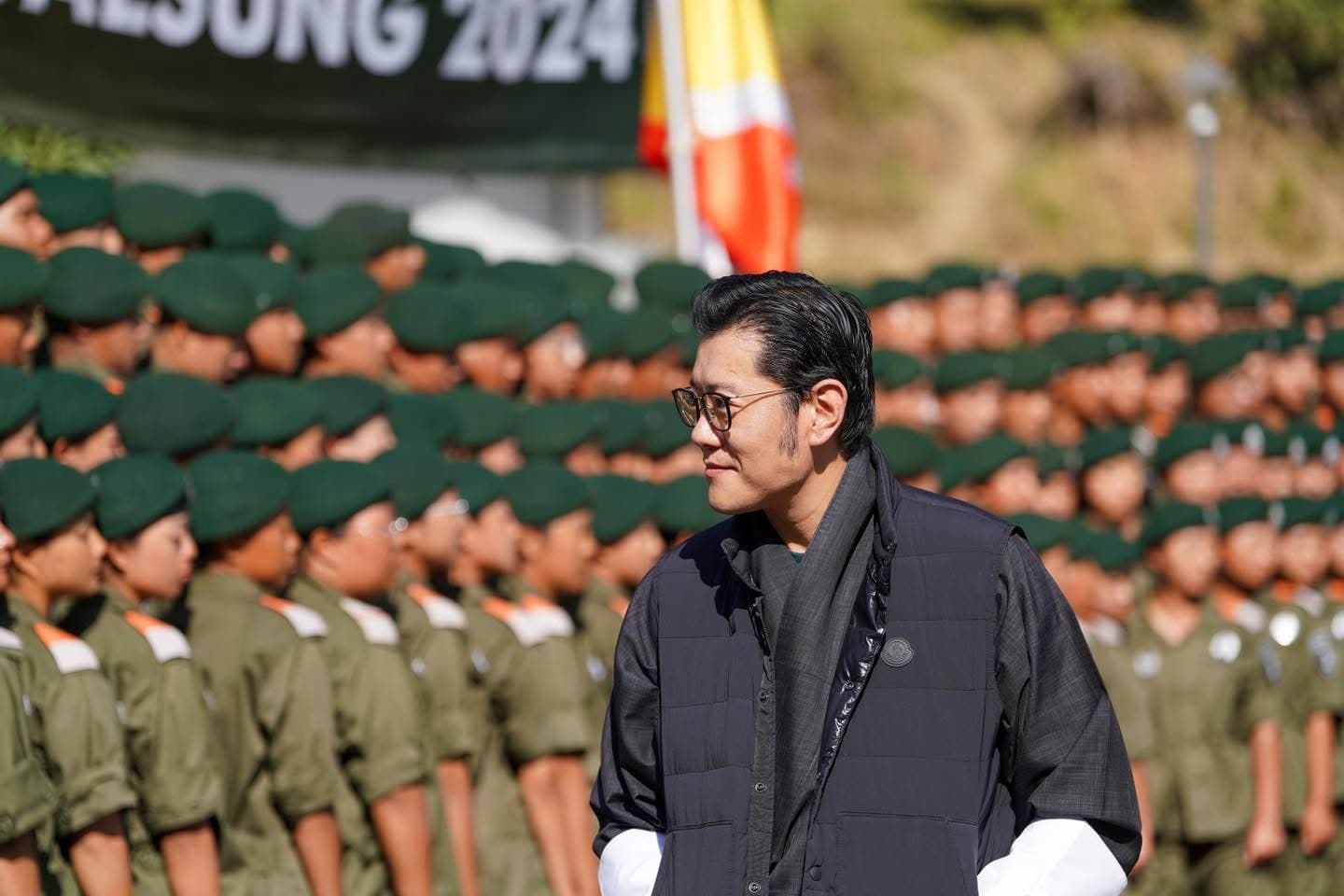
A Bhutanese royal figure
Born 1980
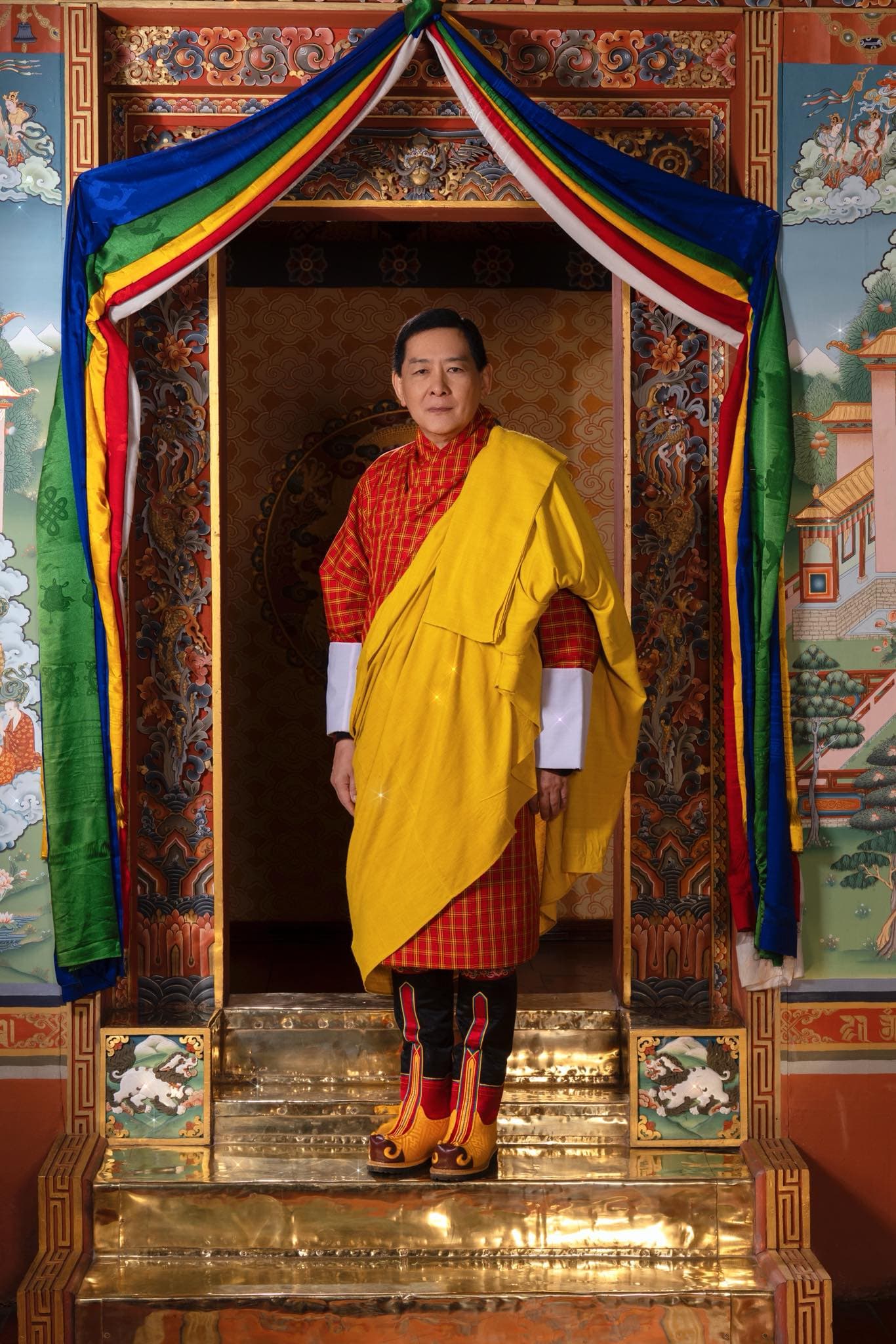
His Majesty Jigme Khesar Namgyel Wangchuck reigns as the Fifth Druk Gyalpo of Bhutan, having ascended the throne in 2006 (formally crowned 2008) on the voluntary abdication of His father, His Majesty the Fourth Druk Gyalpo. His Majesty leads the country through the contemporary period — operating the constitutional democracy established under His father, continuing the Gross National Happiness framework, and developing the country's contemporary international engagement.
His Majesty Jigme Khesar Namgyel Wangchuck ascended the throne on 14 December 2006 on the voluntary abdication of His Majesty the Fourth Druk Gyalpo. The formal coronation followed on 6 November 2008 at Tashichho Dzong, Thimphu — coinciding with the centenary of the Wangchuck monarchy (Ugyen Wangchuck having been crowned the First Druk Gyalpo in 1907). His Majesty is the youngest reigning monarch in the world as of 2026, having ascended at twenty-six. The 2006-2008 handover was structured to allow the constitutional democracy transition: His Majesty the Fifth Druk Gyalpo led the country through the first democratic elections in 2008 and the ratification of the 2008 Constitution.
Under His Majesty's reign Bhutan has continued the GNH framework articulated by His father, while developing the contemporary international engagement appropriate to the country's contemporary state. Principal developments: the constitutional democracy continues to operate; the post-pandemic tourism framework was reopened on the high-value-low-impact model; the international diplomatic engagement has expanded (the principal recent royal state visits including the United Kingdom, Japan, Thailand, and the principal Asian and European partners); the country's contemporary cultural-religious framework continues to be supported. His Majesty is widely known as 'The People's King' — the deliberate accessible-and-engaged tradition that distinguishes the contemporary royal household.
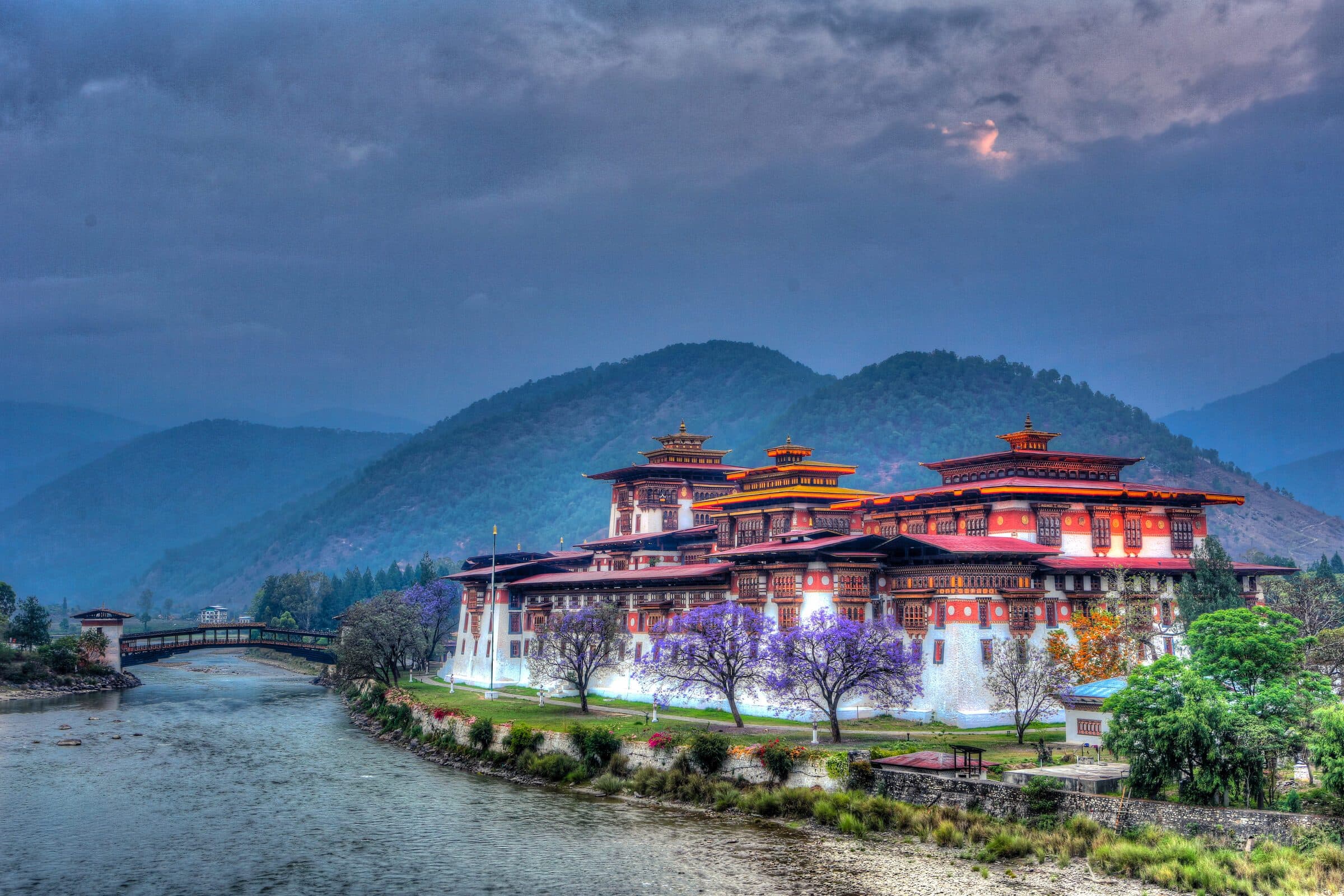
His Majesty married Her Majesty Jetsun Pema Wangchuck on 13 October 2011 at Punakha Dzong — the principal Bhutanese royal wedding of the contemporary era, internationally attended. Her Majesty Jetsun Pema is herself an internationally-significant figure; the youngest queen in the world at the time of marriage; UNICEF Goodwill Ambassador; substantial role in education, environment, and cultural-preservation initiatives. Their Majesties have three children — His Royal Highness Crown Prince Jigme Namgyel Wangchuck (born 2016), HRH Prince Jigme Ugyen Wangchuck (born 2020), and HRH Princess Sonam Yangden Wangchuck (born 2023).
His Majesty's portrait — and the family portraits of Their Majesties with the royal children — are in every dzong, lodge, government building, restaurant, and substantial Bhutanese home. The portraits are the canonical visual register of contemporary Bhutan. His Majesty makes public appearances regularly — at the principal tshechus, at National Day on 17 December, at major state ceremonies and royal state visits. Royal sightings during the public festival days are occasional but meaningful when they occur. The matched guide briefs visitors on the appropriate cultural register if a royal sighting occurs.
Also known as
Common questions
The principal royal residence is Lingkana Palace in southern Thimphu — not open to the public. The royal family also has residences at Dechencholing Palace (Thimphu), Wangduecholing Palace (Bumthang, the summer palace of His Majesty the Second Druk Gyalpo, now used occasionally), and other historical royal residences across the country. Visitors do not encounter the royal family directly at the residences; public appearances are at the principal cultural events.
The accessibility. His Majesty is known for substantial direct engagement with citizens — appearing publicly without elaborate security, engaging in conversation with citizens during walkabouts, taking interest in citizen concerns. The 'People's King' designation captures the deliberate Bhutanese contemporary royal register — formally constitutional, engaged.
Probably not. Royal sightings during public festival days are occasional; arranged audiences are essentially never available to international visitors. Visitors do encounter the royal portraits everywhere and the cultural of royal-family reverence in everyday Bhutanese life.
What they built
Monument
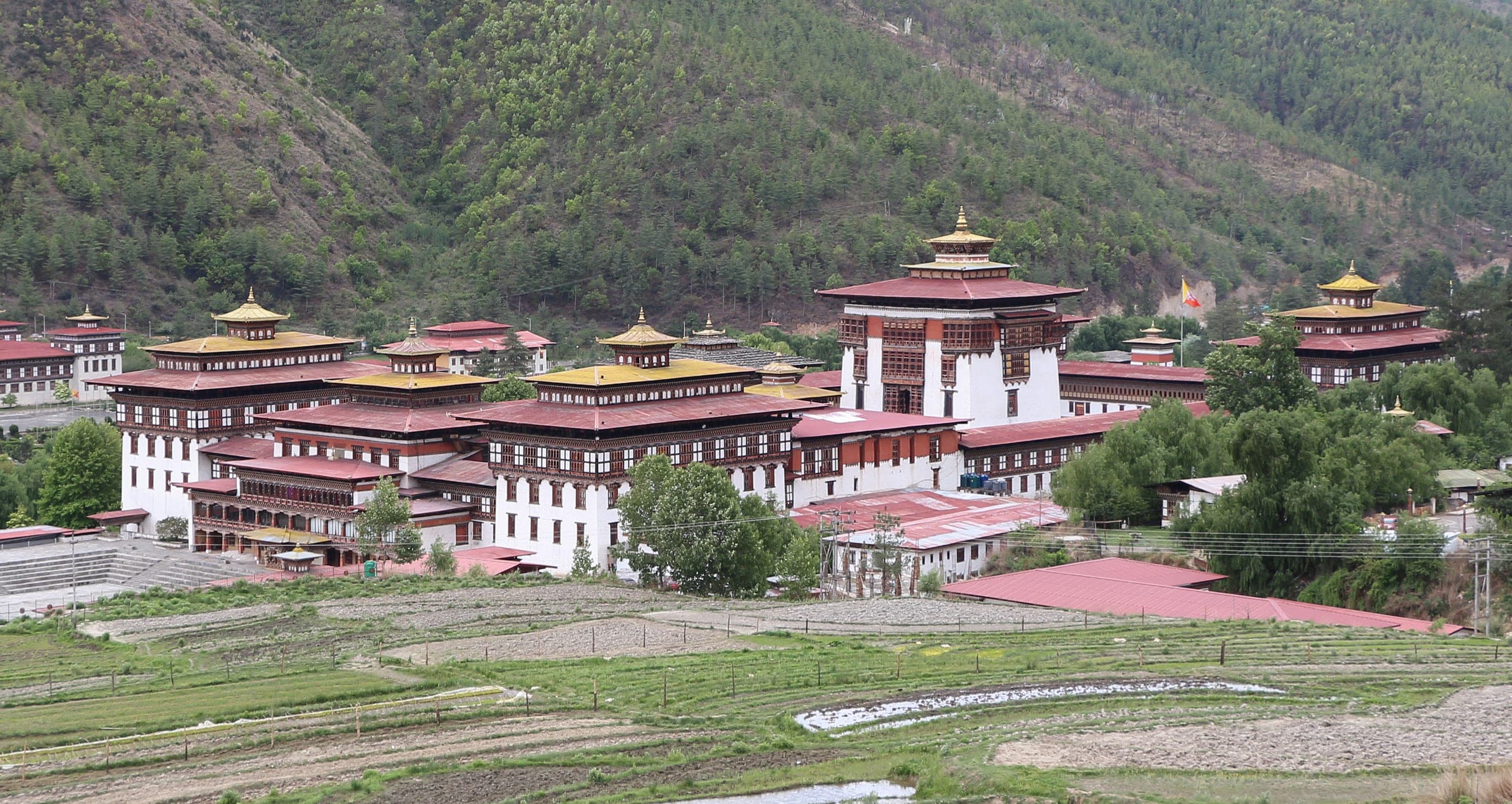
Tashichho Dzong — the seat of Bhutan's central government and Je Khenpo summer residence in Thimphu. History, architecture, visiting.
Monument
Punakha Dzong — the Palace of Great Happiness, founded 1638. The history, the architecture, what to expect on a visit.
Five questions. A bespoke draft back within a day or two.