- How many target species can we reasonably expect?
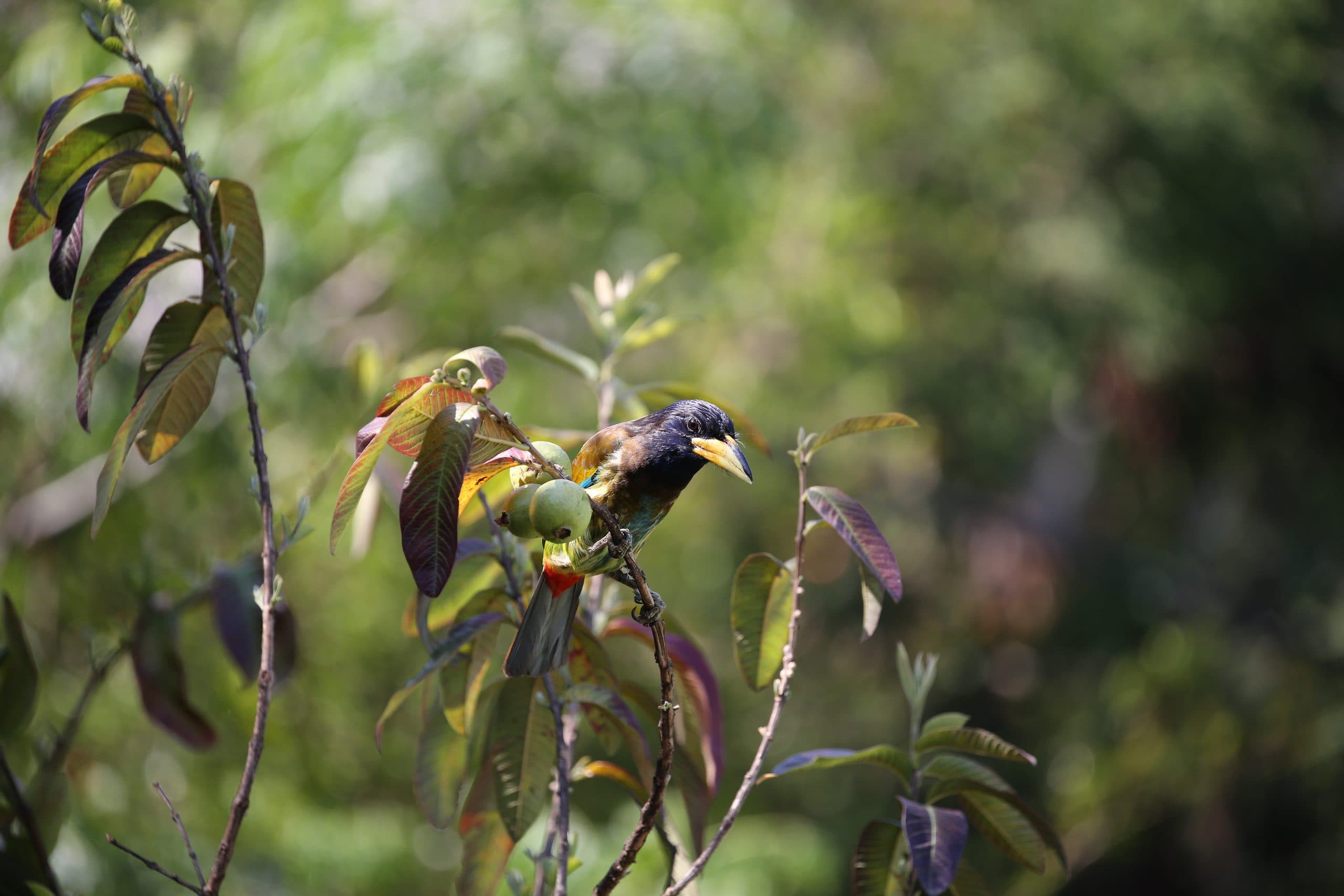
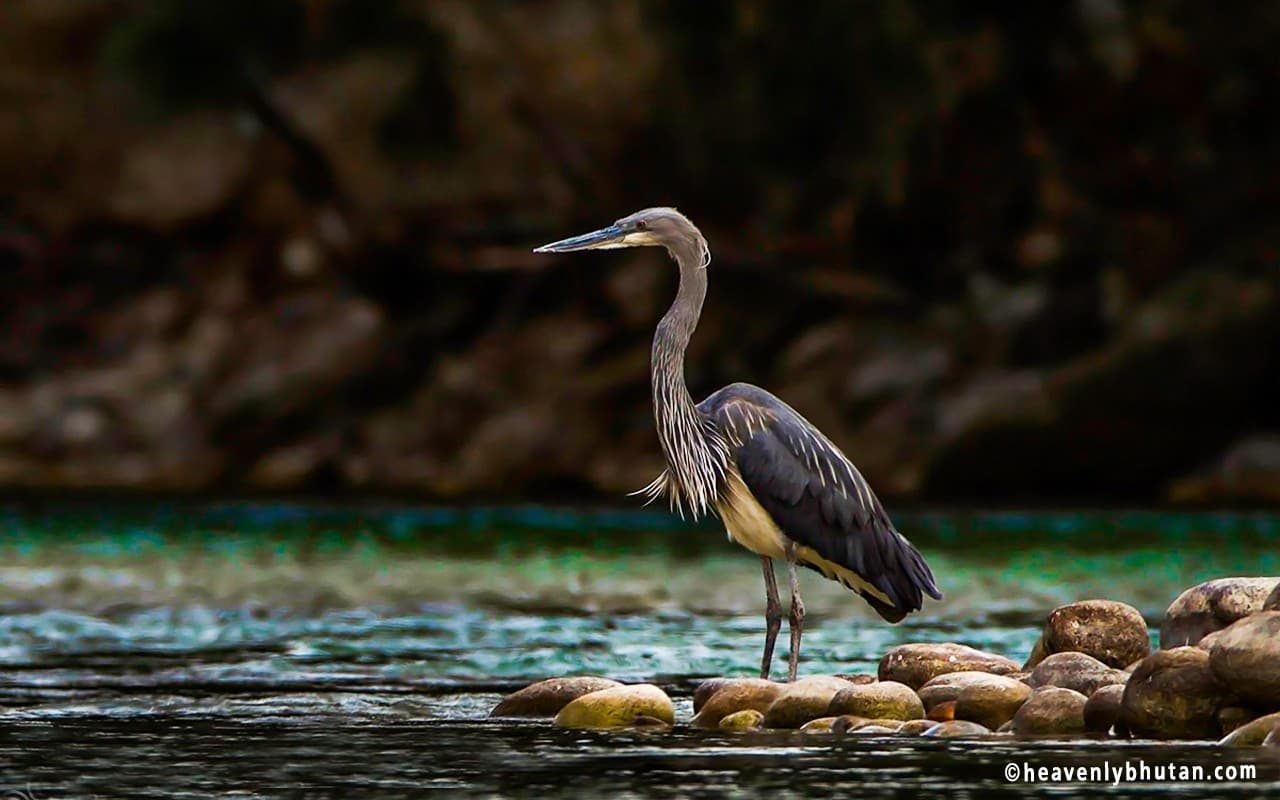
- Realistic species count across the eight-day itinerary: 150–220 species, with the principal targets (cranes, heron, hornbills, beautiful nuthatch, the principal pheasants) being the lifelist drivers. The cranes are essentially guaranteed in the right season window; the heron is at low density and ~70% of trips that target it specifically get clear sightings; the beautiful nuthatch is harder and we recommend two attempts in different broadleaf sites. The matched guide gives realistic species-by-species probabilities in your proposal.
- When's the right window?
- Late October through mid-February is the cranes' window — the principal driver of this trip's timing. December–January is the clearest weather + cranes-at-peak combination. The heron is year-round but slightly easier to see in the post-monsoon clarity (October–November). The Bhutanese spring (March–April) is a different birding window with more migrants but the cranes have departed.
- Can we extend to Royal Manas or the eastern circuit for more lowland species?
- Yes — the Royal Manas / Manas Tiger Reserve cross-border landscape adds the southern lowland suite (Bengal florican, several lowland hornbills, the lowland ibis suite, mahseer-feeding river birds). It adds three to five nights and substantially extends the species list — typically to 280–350 across the full itinerary. We discuss in the consultation.
- What's the group size and how is it structured?
- Small-group: 4–8 birders typically. Smaller is better at the heron sites where quiet matters; larger groups don't economise the lodge logistics. For couples who want a private (group of 2) version with the same access and matched specialist guide, we quote separately as a signature-tier offering — it's a different price band but the access is the same.