- Should I choose Bhutan or Tibet?
- It depends on what draws you, and both reward the traveller who comes for Buddhist culture. Choose Tibet if your heart is set on the great plateau monuments — the Potala, the Jokhang, the high monasteries of learning — and you are prepared for serious altitude and a more organised, group-permit way of travelling. Choose Bhutan if you want a living, freely practised Buddhist tradition met at close range, far fewer people around you, the ease of one private guide on a planned arc, working dzongs and tshechu festivals, and valleys at a moderate height that let you settle in gently. A useful rule of thumb: Tibet for the traveller set on the plateau's particular monuments and ready for the height; Bhutan for the culture-first traveller who values living practice, privacy, ease, and a kinder altitude. We recommend Bhutan warmly to most who ask — without any wish to diminish what Tibet holds.
- How do altitude and access differ between Bhutan and Tibet?
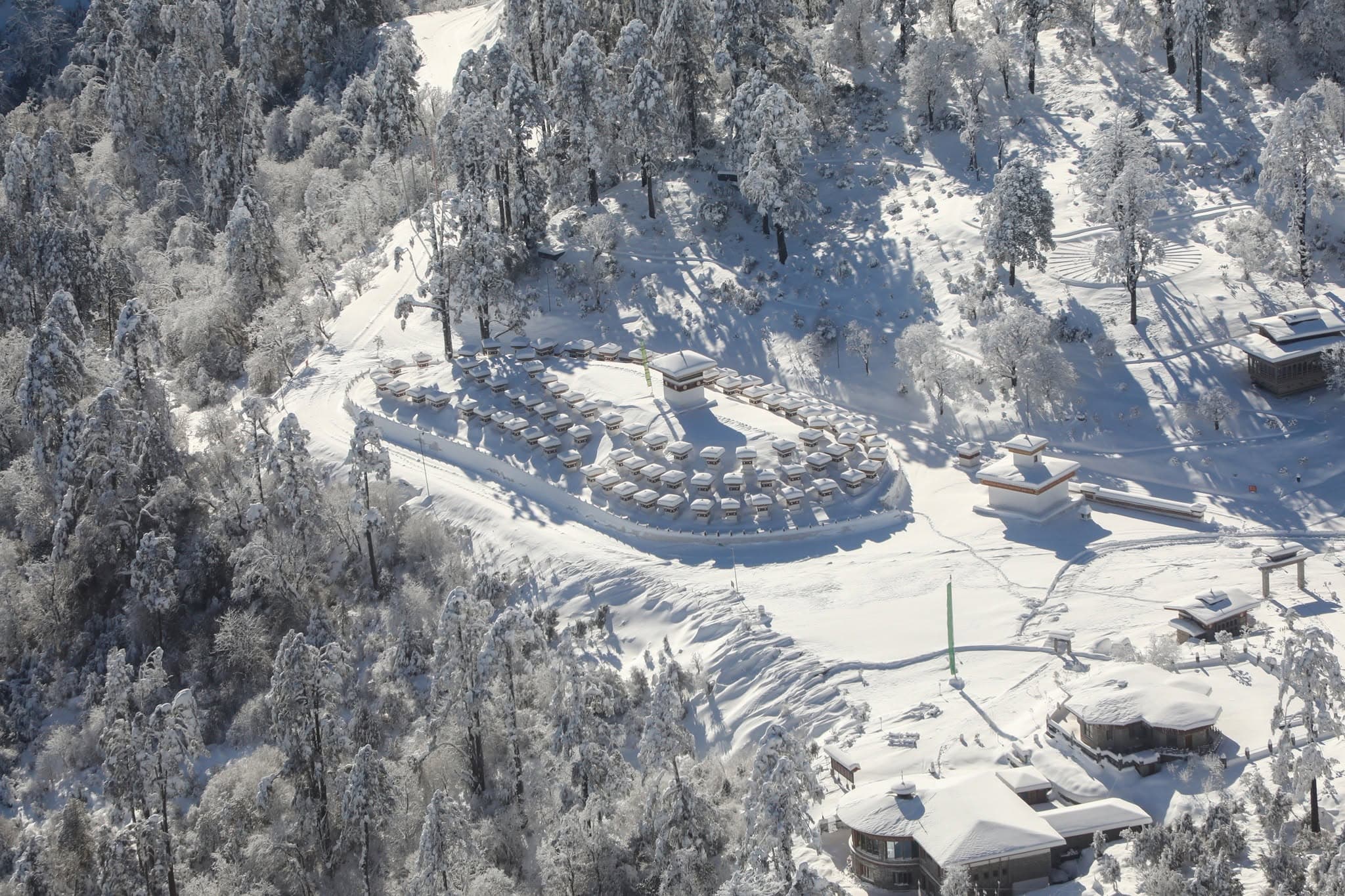
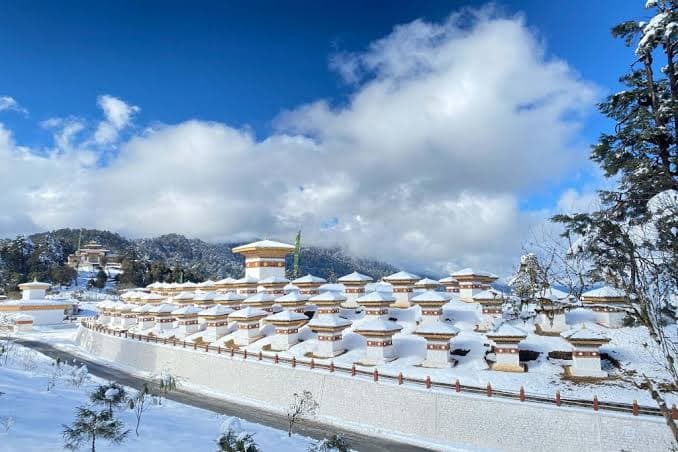
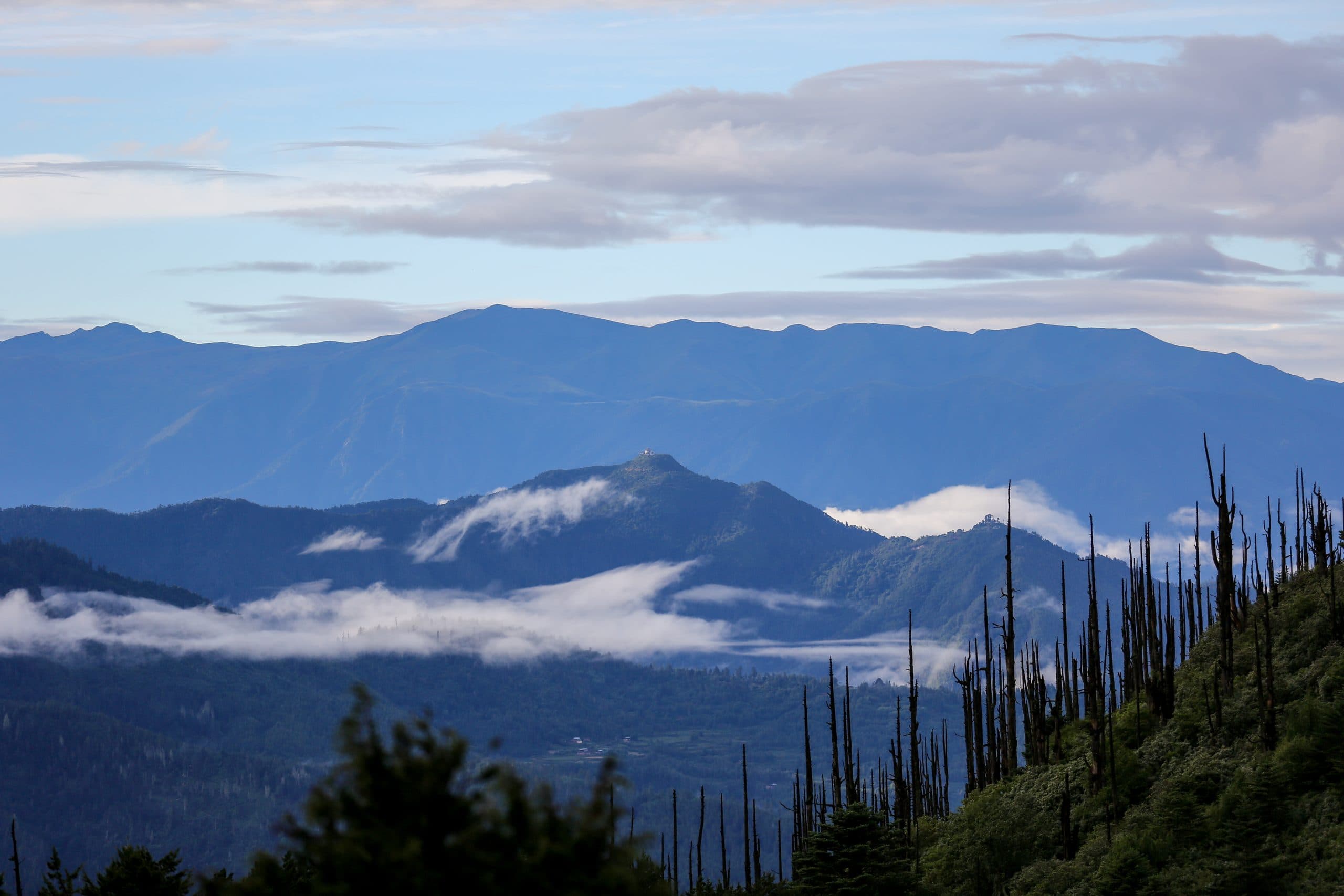
- These are the two practical differences that matter most. On altitude: Lhasa sits at roughly 3,650 metres and much of the wider Tibetan plateau is higher still, so the height is a serious part of any Tibet journey and worth preparing for properly. Bhutan's western circuit is gentler — Paro and Thimphu lie between about 2,200 and 2,400 metres, Punakha lower again, and Dochu La at 3,100 metres is the highest point most weeks reach, which suits travellers who would rather acclimatise slowly. On access: travel in Tibet is arranged through organised group permits and set itineraries, with movement more tightly controlled. Bhutan is reached on its own terms — international visitors travel with a licensed guide, but the journey itself is private and shaped around you, with the day adjusted to how you actually like to travel. For ease and privacy at a kinder altitude, Bhutan is the more forgiving of the two.
- Is the Buddhist culture really 'living' in Bhutan in a way it differs elsewhere?
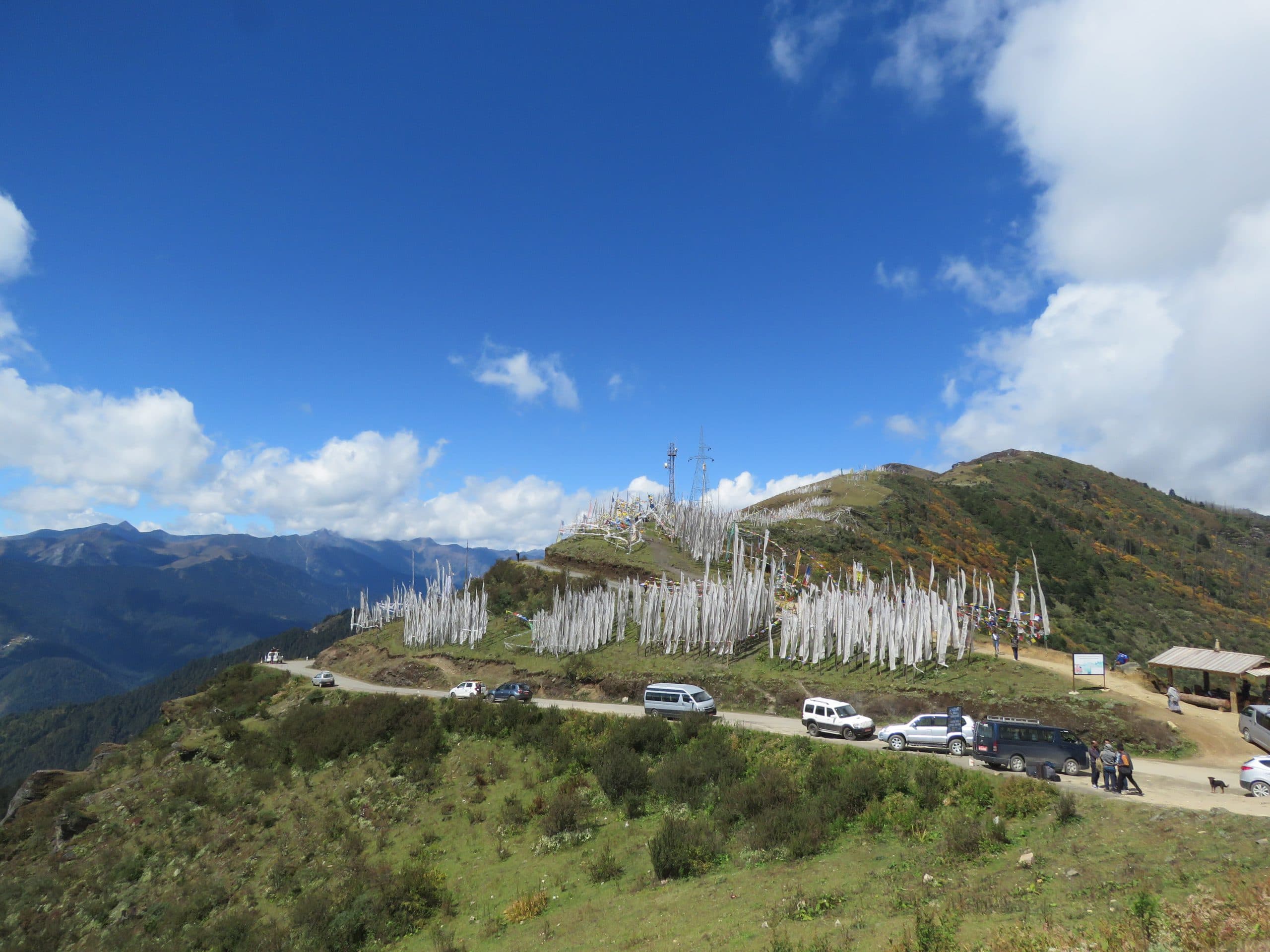
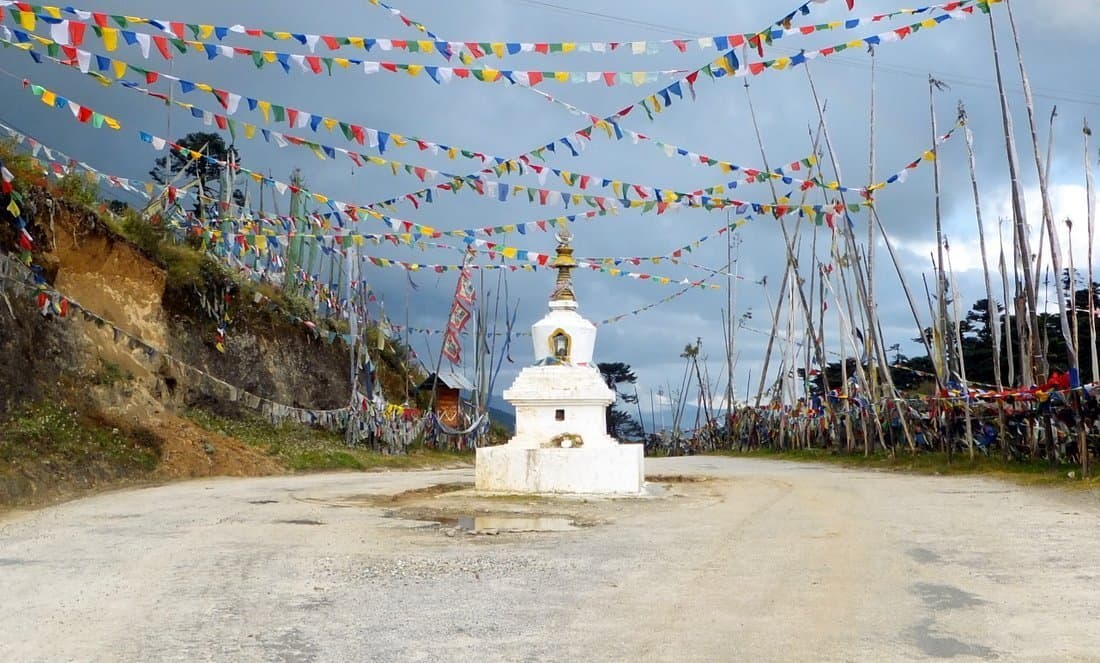
- It is the heart of what sets a Bhutan week apart. The dzongs are working seats of monastic and civil life rather than monuments to walk through; the tshechu festivals are danced for the community first, with masked cham performed as an act of devotion the visitor is welcomed to witness; the temples you enter are full of people at prayer. Vajrayana Buddhism here is practised freely and as a matter of course, woven through ordinary life — the prayer flags on the passes, the chorten on the morning walk, the butter lamps at Kyichu Lhakhang. You are not looking at a preserved tradition behind glass; you are a quiet guest in one that is fully current. For many travellers that immediacy, met with a private guide who carries the context, is the reason Bhutan stays with them.
- What time of year is best for a culture-first week in Bhutan?
- October and November are the photographer's autumn — the clearest skies for the eastern Himalaya from Dochu La, the festival peak in many valleys, and crisp, settled days for the walk to Tiger's Nest. April is the second window: rhododendron and cherry blossom, longer evenings, and a green softness to the valleys. Both seasons read beautifully and acclimatise gently. We would steer you away from the deep monsoon of July and August unless you specifically want Green Bhutan — the quieter, rain-washed valleys with the rice at its most vivid — and are relaxed about cloud on the high passes.