- Should I choose Bhutan or Ladakh?
- It depends on what draws you, and both reward the traveller who comes for Himalayan Buddhist culture. Choose Ladakh if your heart is set on the high desert — the great gompas of Hemis, Thiksey, and Diskit, the ochre plateau, the road over a 5,000-metre pass, the blue of Pangong — and you are content with serious altitude and assembling and driving the journey largely yourself. Choose Bhutan if you want a living, freely practised Buddhist tradition met at close range, green and forested valleys rather than desert, far fewer people around you, the ease of one private guide on a planned arc, working dzongs and Tshechu festivals, and a moderate altitude that lets you settle in gently. A useful rule of thumb: Ladakh for the traveller drawn to the high-desert landscape and happy to manage the height and the logistics; Bhutan for the culture-first traveller who values living practice, privacy, green valleys, a kinder altitude, and having everything carried for them. We recommend Bhutan warmly to most who ask — without any wish to diminish what Ladakh holds.
- How does the altitude differ between Bhutan and Ladakh?
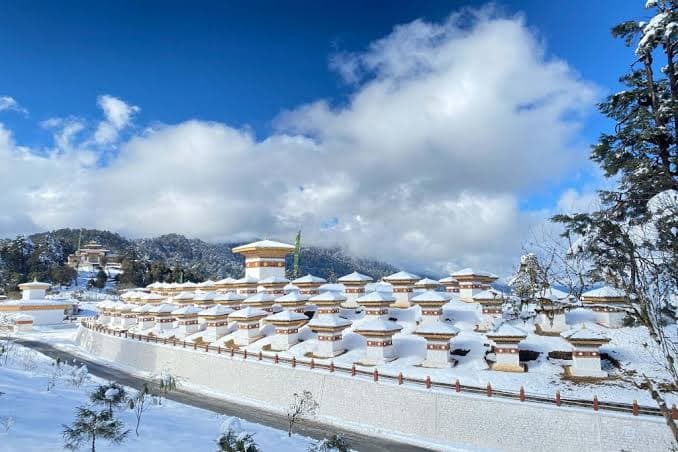
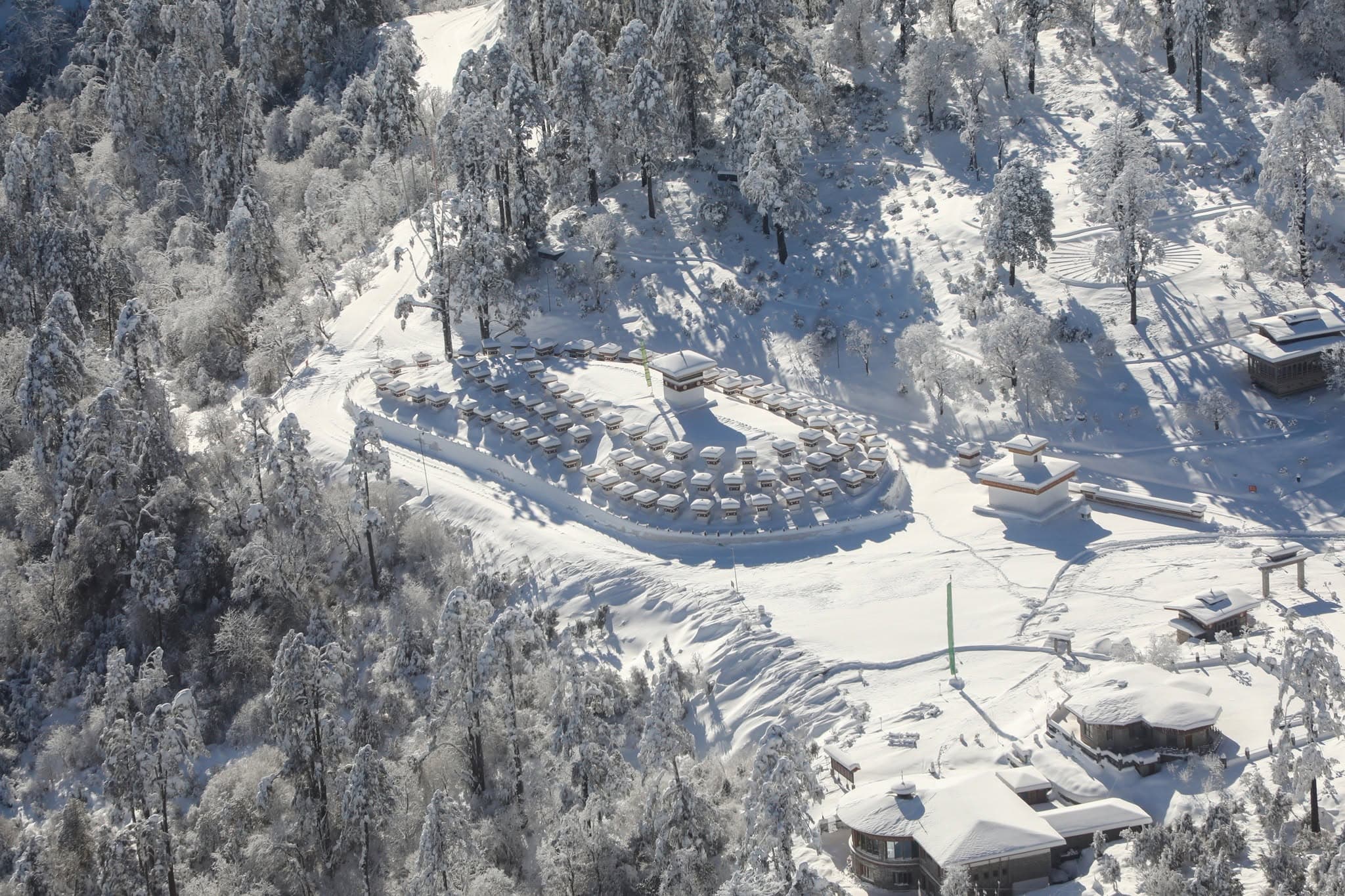
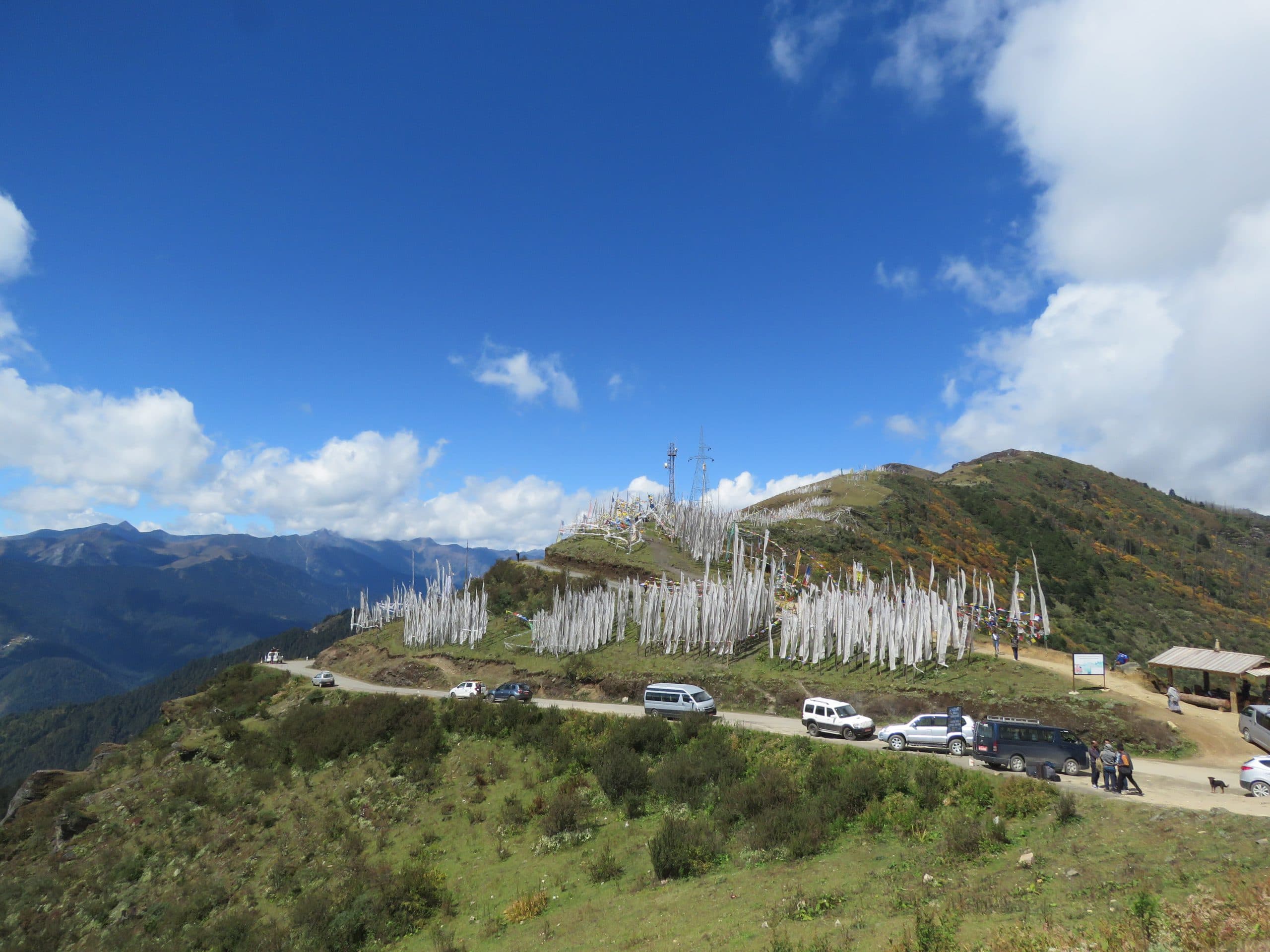
- This is the practical difference that matters most for the body. Ladakh is genuinely high: Leh sits at around 3,500 metres, and the celebrated road passes — the routes to Nubra and Pangong among them — climb well above 5,000 metres. Altitude is therefore a serious part of any Ladakh trip; most travellers give over their first days in Leh to gentle acclimatisation, resting while the body adjusts, and the height stays a consideration throughout. Bhutan's western circuit is markedly gentler. Paro and Thimphu lie between roughly 2,200 and 2,400 metres, Punakha lower again in its warm valley, and Dochu La at 3,100 metres is the highest point most weeks reach — crossed in the car rather than camped on. Most travellers acclimatise without difficulty and need no rest day on arrival. If a kinder altitude matters to you — for age, for fitness, for peace of mind, or simply because you would rather settle in than acclimatise hard — Bhutan is the more forgiving of the two.
- Is Bhutan guided while Ladakh is independent — and which suits me?
- Largely, yes, and it is worth understanding the difference as a matter of character rather than restriction. Ladakh is travelled mostly independently or by road trip: hired cars and drivers, long stretches over high passes, and an itinerary you assemble and manage yourself, which many travellers love for the freedom and improvisation of it. Bhutan works the other way. International visitors travel with a licensed guide as a matter of course, and the journey itself is private and shaped around you — the guide is the thread through the whole week, opening doors at temples, reading the room at a festival, carrying the language and the context, and adjusting the day to how you actually travel, with not a single drive, permit, or booking for you to handle. If complete self-reliance on the road is what you most want, that points you towards Ladakh. If you would rather have depth and ease than logistics — to arrive, be met, and have the week carried for you — the guided model is much of why a week in Bhutan feels the way it does.
- What time of year is best for a culture-first week in Bhutan?
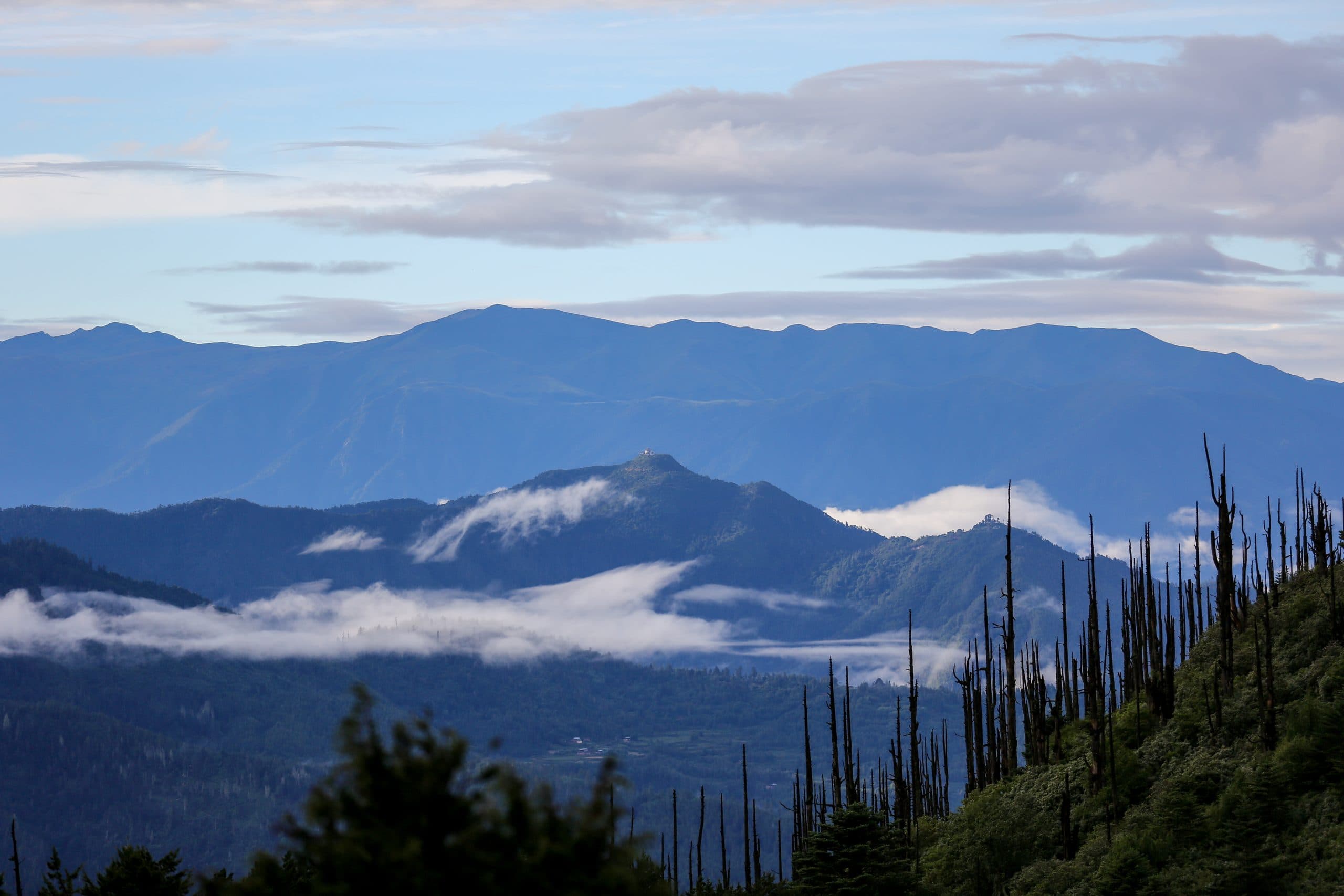
- October and November are the photographer's autumn — the clearest skies for the eastern Himalaya from Dochu La, the festival peak in many valleys, and crisp, settled days for the walk to Tiger's Nest. April is the second window: rhododendron and cherry blossom, longer evenings, and a green softness to the valleys. Both seasons read beautifully and acclimatise gently. We would steer you away from the deep monsoon of July and August unless you specifically want Green Bhutan — the quieter, rain-washed valleys with the rice at its most vivid — and are relaxed about cloud on the high passes. One difference worth noting against Ladakh: Bhutan rewards a visit across three of its four seasons, where the Ladakh plateau is at its most accessible in a shorter summer-to-early-autumn window.