- Should I choose Bhutan or Sikkim?
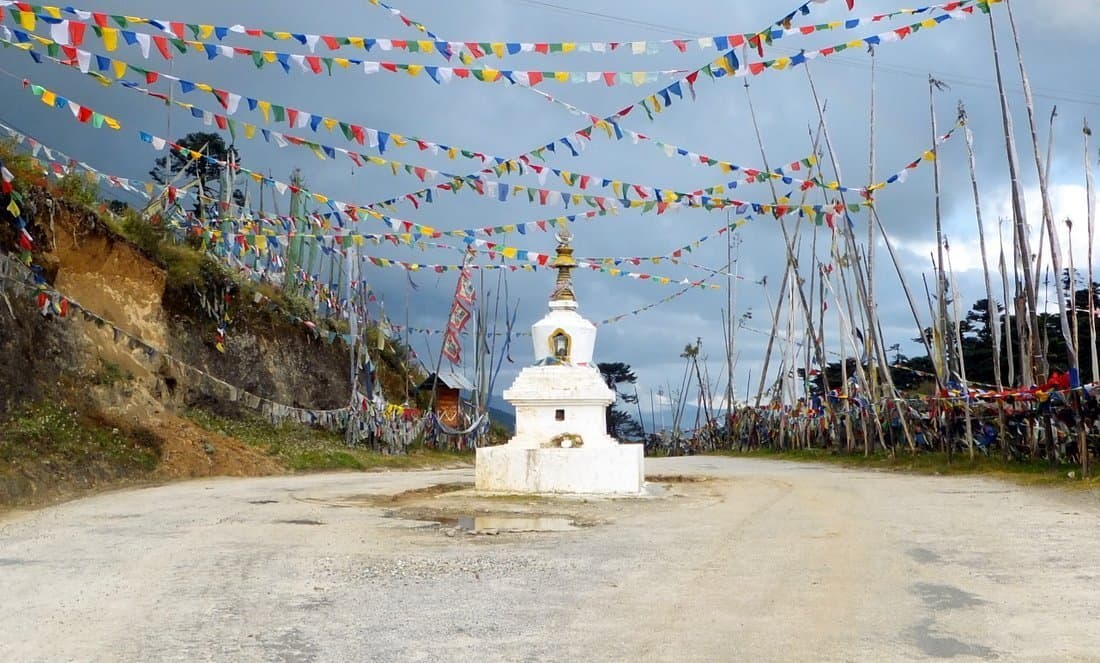
- It depends on what draws you, and both reward the traveller who comes for the Buddhist eastern Himalaya. Choose Sikkim if you are drawn to a green, varied region you can range across at your own hand — Gangtok as a base, the monasteries of Rumtek, Pemayangtse, and Tashiding, a clear morning of Kanchenjunga at the head of the valley, and the ease of folding Darjeeling and the wider hills into one trip — and you are content to assemble the route and to gather the inner-line permits that certain higher areas ask for. Choose Bhutan if you want one seamless private journey shaped around you — a living, freely practised Buddhist tradition, the density of working dzongs and danced Tshechu festivals, a single guide as the thread through the whole week, and one permit handled from first day to last with nothing for you to juggle. A useful rule of thumb: Sikkim for the traveller who wants a varied region, Kanchenjunga close at hand, and the freedom to combine it with Darjeeling; Bhutan for the traveller who values a single guided arc, the concentration of working dzongs and living festivals, and having everything carried for them. We recommend Bhutan warmly to most who ask — without any wish to diminish what Sikkim holds.
- How do permits and access differ between Bhutan and Sikkim?
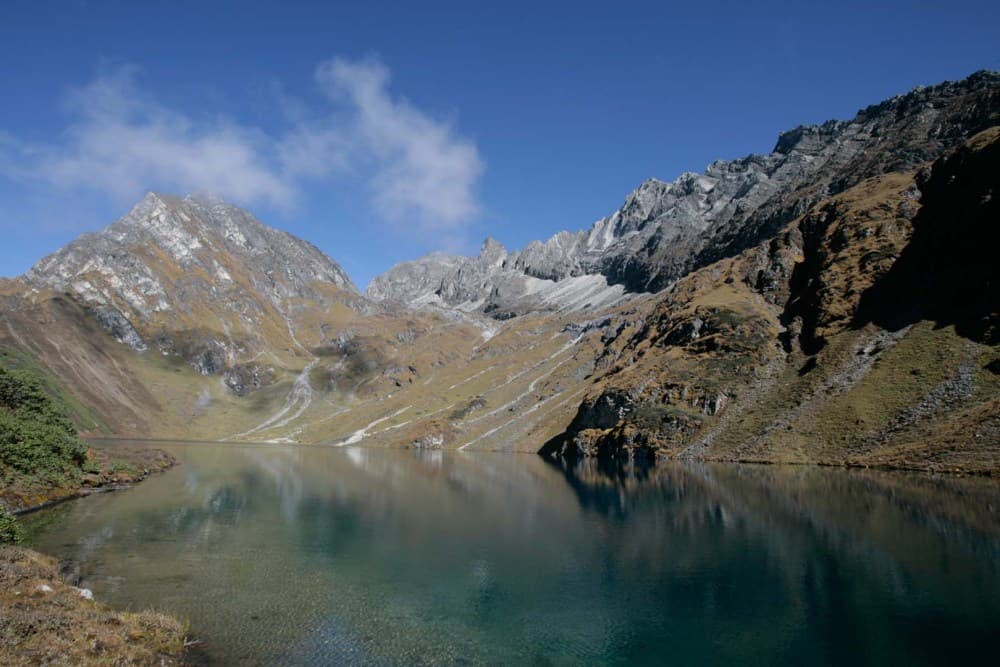
- This is the practical difference that shapes how each trip feels. In Sikkim, the main valleys and Gangtok are straightforward to reach, but a number of higher and outlying areas — the routes towards the high northern lakes and the border reaches among them — sit behind inner-line permits granted area by area, arranged as you go; the journey is therefore assembled in parts, which suits travellers who like to range and improvise. Bhutan works the other way. International visitors travel on a single arrangement handled before arrival: one permit covers the journey, the Sustainable Development Fee of USD 100 per night for international adult visitors is settled within your transparent price, and a licensed guide is the thread through the week — so there is not a permit-by-area to gather, nor a drive or booking for you to manage. If you would rather assemble the route yourself and gather permits as you go, that points towards Sikkim; if you would rather arrive, be met, and have one seamless journey carried for you, that is much of why a week in Bhutan feels the way it does.
- Is Bhutan guided while Sikkim can be travelled independently — and which suits me?
- Largely, yes, and it is worth understanding the difference as a matter of character rather than restriction. Sikkim can be travelled in several ways — independently with hired cars and a route you assemble yourself, or with a local operator — and it stitches easily into a longer journey through Darjeeling and the wider hills, which many travellers love for the freedom and improvisation of it. Bhutan works the other way. International visitors travel with a licensed guide as a matter of course, and the journey itself is private and shaped around you — the guide opens doors at the dzongs, reads the room at a festival, carries the language and the context, and adjusts the day to how you actually travel, with not a single drive, permit, or booking for you to handle. If ranging across a region under your own steam is what you most want, that points you towards Sikkim. If you would rather have depth and ease than logistics — to arrive, be met, and have the week carried for you — the guided model is much of why a week in Bhutan feels the way it does.
- What time of year is best for a culture-first week in Bhutan?
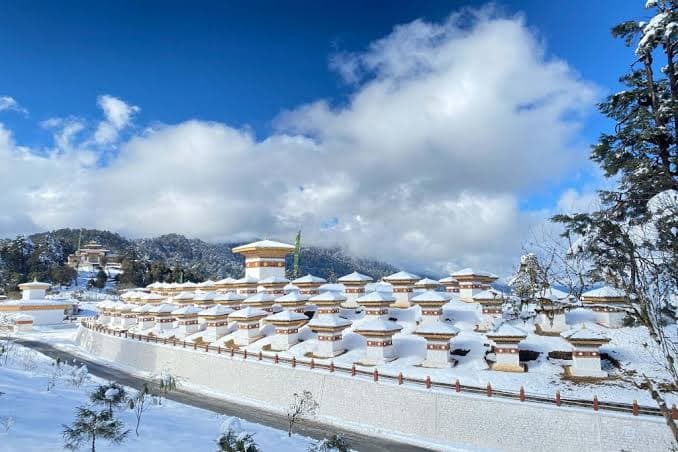
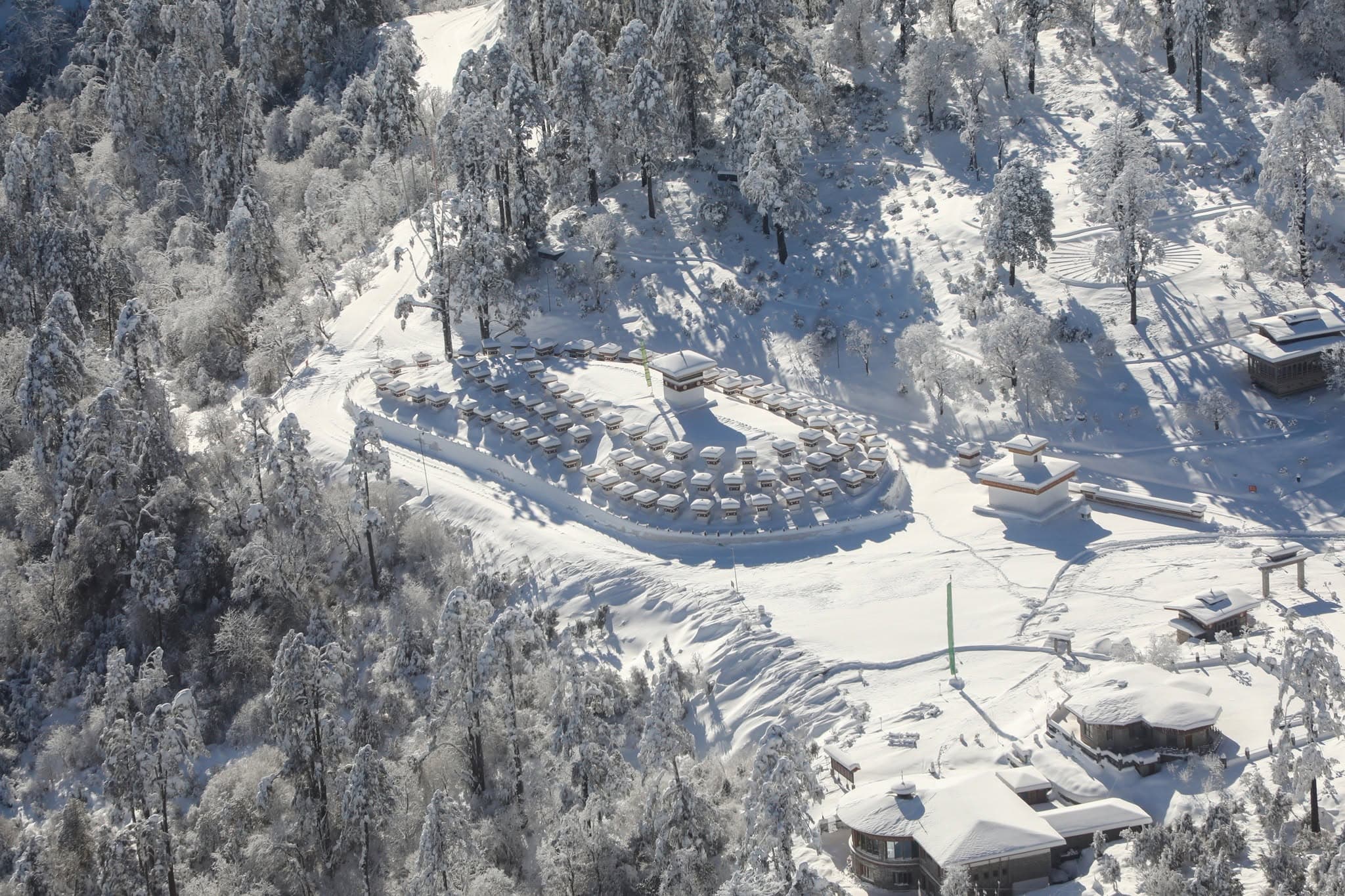
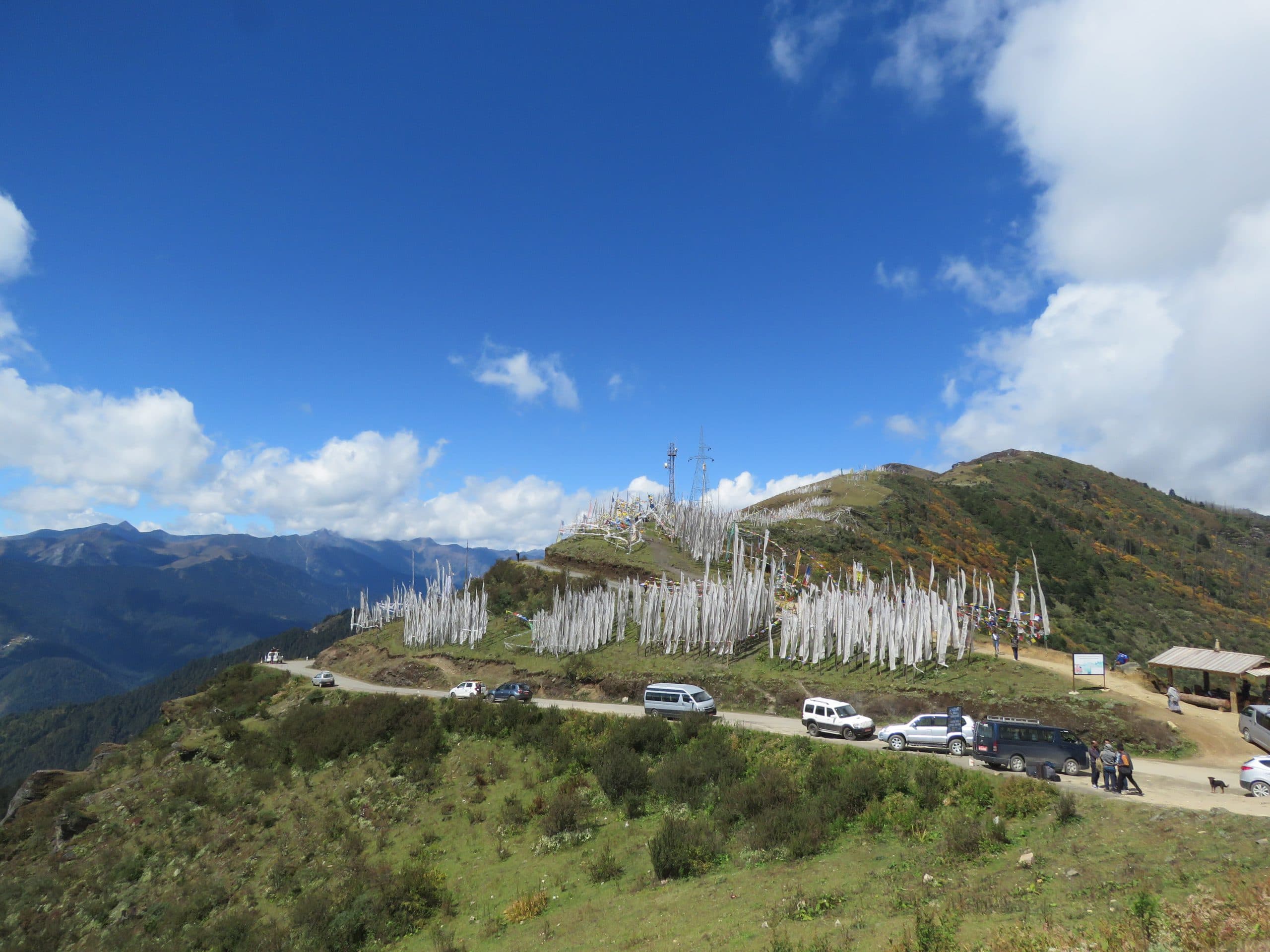
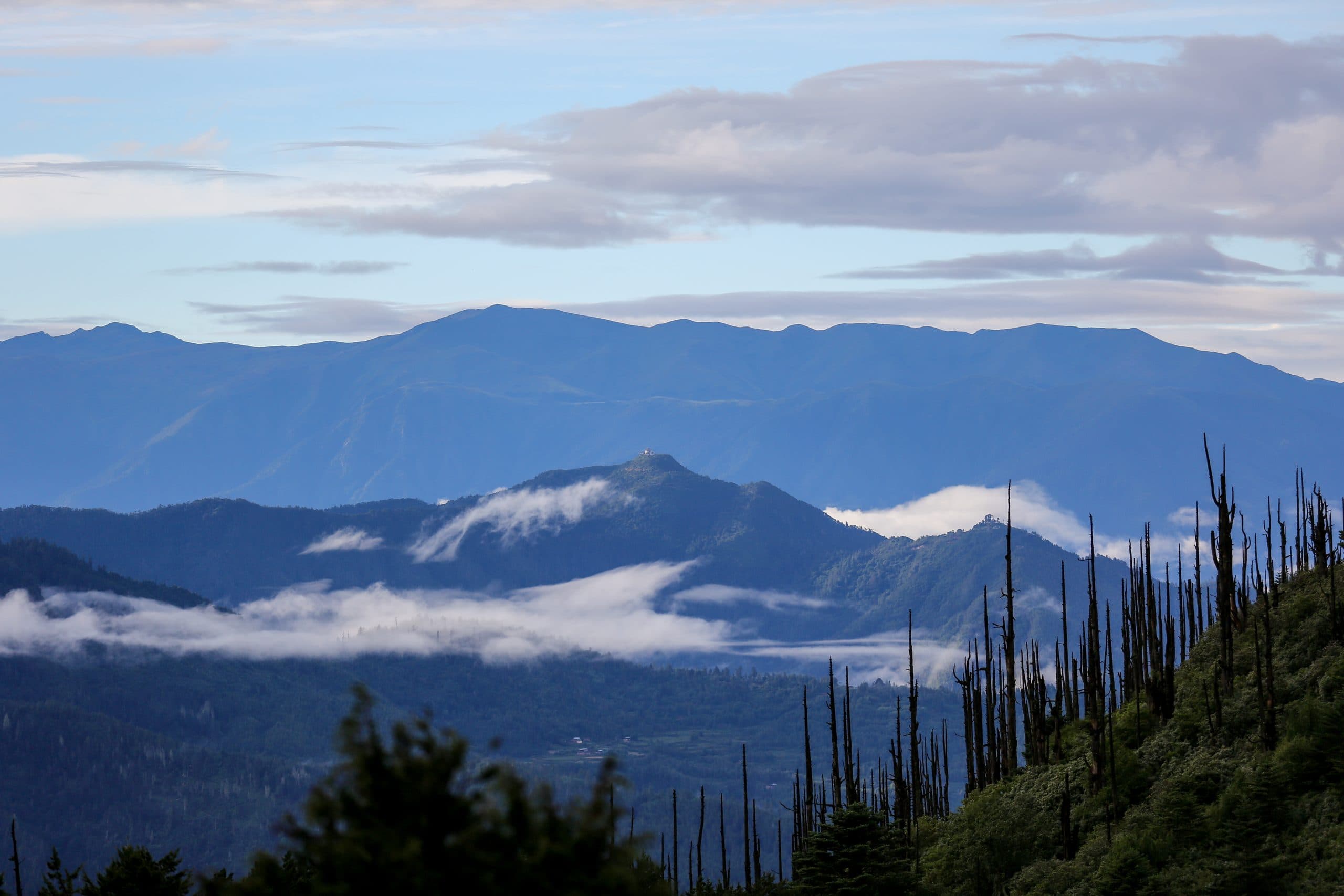
- October and November are the photographer's autumn — the clearest skies for the eastern Himalaya from Dochu La, the festival peak in many valleys, and crisp, settled days for the walk to Tiger's Nest. April is the second window: rhododendron and cherry blossom, longer evenings, and a green softness to the valleys. Both seasons read beautifully and acclimatise gently. We would steer you away from the deep monsoon of July and August unless you specifically want Green Bhutan — the quieter, rain-washed valleys with the rice at its most vivid — and are relaxed about cloud on the high passes. Autumn is also the season Sikkim's Kanchenjunga mornings tend to be at their clearest, so a traveller weighing both is, happily, weighing them in the same window.