- Which dzong is the oldest, and do we see it?
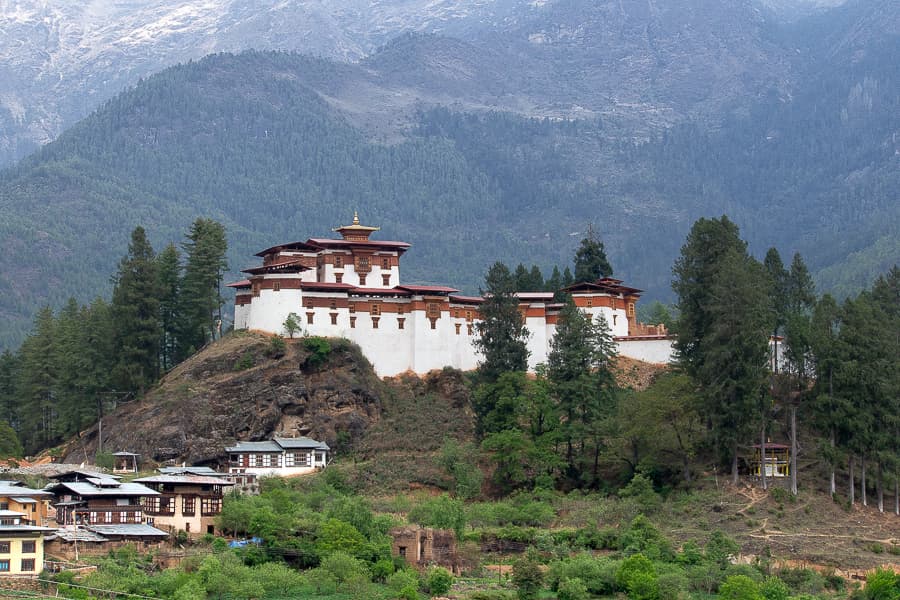
- Simtokha Dzong, on a ridge a few kilometres south of Thimphu, is the oldest dzong still standing in Bhutan — the first that Zhabdrung Ngawang Namgyal built, in 1629, at the beginning of the dzong tradition. We read it on the third day, on the way into the capital, both for its carved-slate reliefs among the finest old stone carvings in the country and because it frames every later dzong on the journey: Punakha, Tashichho, and Trongsa all descend from the model Simtokha began.
- What is a Ta Dzong, and why do two of them feature so heavily?
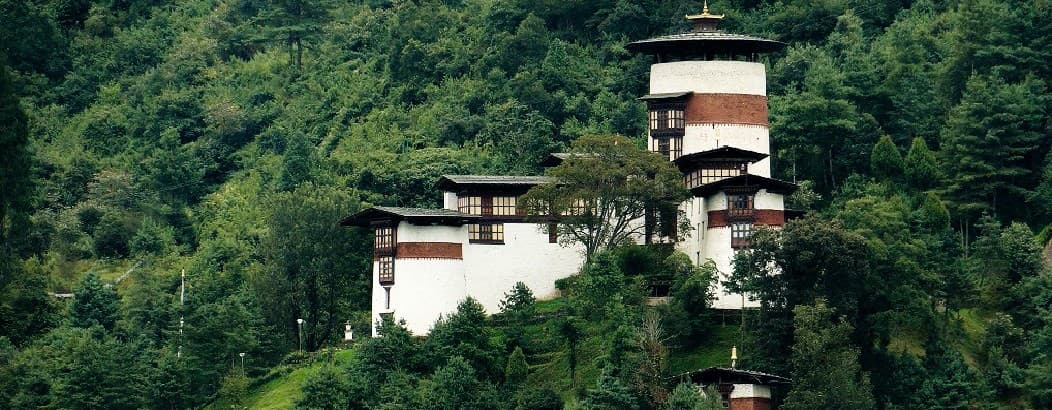
- A ta dzong is a watchtower — the higher, often round fort raised above a dzong to guard it. On this journey two of them have become the country's principal museums. The round Ta Dzong above Rinpung Dzong in Paro, built in 1649, holds the National Museum of Bhutan, the principal national collection; the Ta Dzong above Trongsa, opened as a museum in 2008, tells the story of the Wangchuck dynasty in the place the royal house arose. Reading both within one journey is the point — one frames the country's art and faith, the other its royal history.
- Why is Trongsa called the ancestral seat of the royal dynasty?
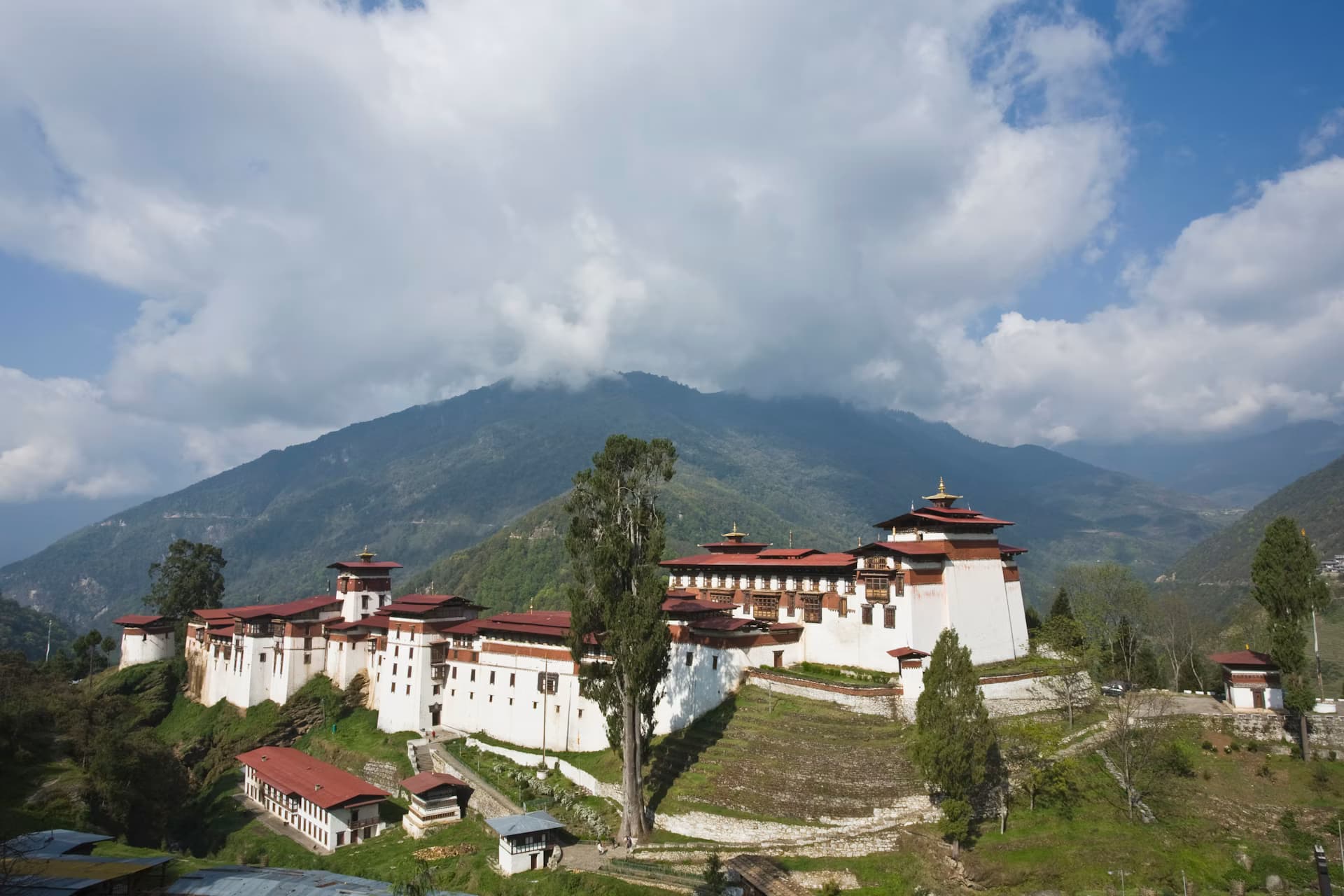
- Trongsa Dzong commands the only road between western and eastern Bhutan, and its governorship — the Trongsa Penlop — was the most powerful provincial title in the country. His Majesty Ugyen Wangchuck held that office before he was chosen as the First Druk Gyalpo when the assembled monks and officials founded the hereditary monarchy in 1907. By a tradition continued to His Majesty the present King, every Crown Prince of Bhutan serves as Trongsa Penlop before ascending the throne, which is why Trongsa is held as the ancestral seat of the royal house.
- How is the founding of the monarchy framed on this journey?
- With the reverence it is held in by Bhutanese themselves. On 17 December 1907, after a long period of internal conflict, an assembly of senior monks and officials chose His Majesty Ugyen Wangchuck, then the Trongsa Penlop, as the First Druk Gyalpo, and the hereditary monarchy began. The date is now the National Day. The thread we follow at Trongsa is service: each Druk Gyalpo across the generations is remembered for what was given to the people and the country's wellbeing — the roads and schools, the opening to the wider world, the philosophy of Gross National Happiness — rather than for institutional achievement alone.
- Why include Punakha on a history journey rather than only Paro and Thimphu?
- Because Punakha is where much of the country's government was decided. The dzong at the confluence of the Mo and Pho Chhu was the former winter capital and the seat of government through the centuries, and it remains the coronation site of the kings — among the most significant buildings in the whole arc of Bhutanese history. It is 75 kilometres and about three hours from Thimphu over Dochu La at 3,100 metres, a drive that is itself part of the reading as the western valleys give way to the warmer Punakha basin.
- Is autumn the right season for a heritage journey?
- October and November give the clearest skies and the steadiest light — for the drive over Dochu La and the Pele La, for photographing Trongsa Dzong across its gorge, and for the long valley views the journey crosses. The museums are indoor and weather-independent in any season, but the autumn light is what makes the dzong courtyards and the central passes worth the unhurried pace. April is the second window, with the rhododendron in and longer evenings. We steer away from the deep monsoon of July and August, when the high passes can be made cloud-bound.