Preparing
LoadingPreparing
Loading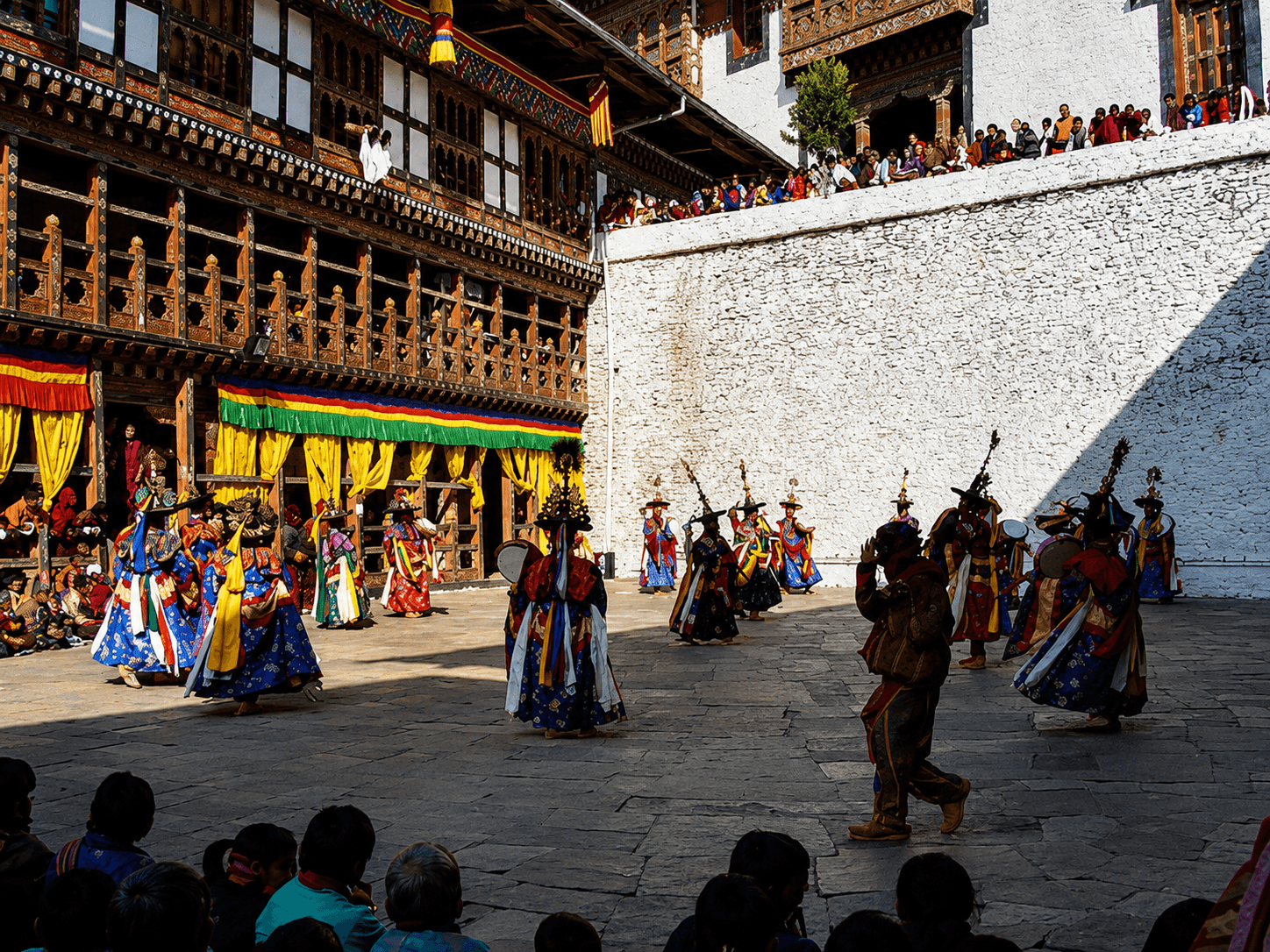
A winter tshechu at the ancestral seat of the Wangchuck dynasty
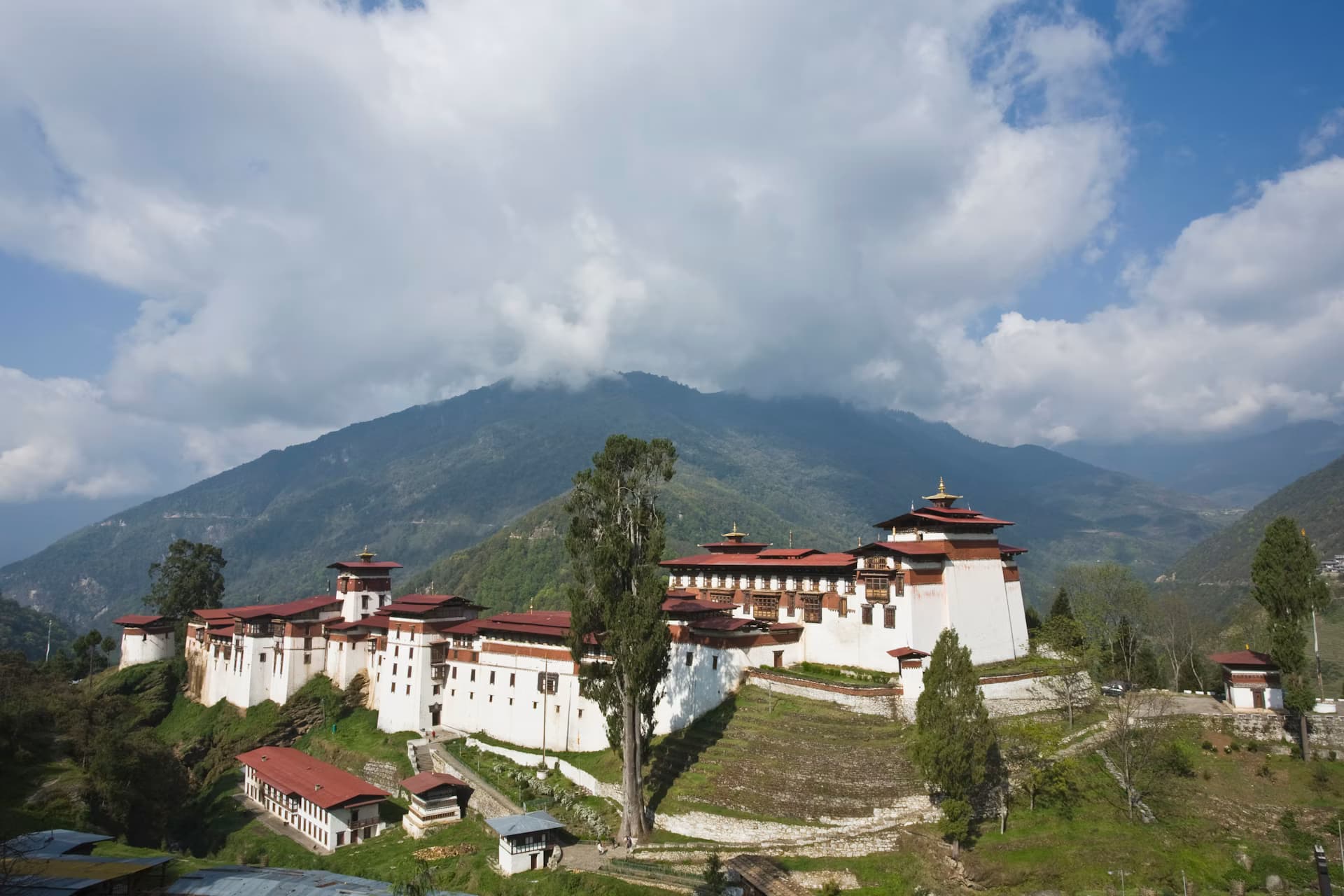
The Trongsa Tshechu is held annually at Trongsa Dzong, typically in late December or early January. The dzong is the ancestral seat of the Wangchuck dynasty — every Crown Prince of Bhutan serves as Trongsa Penlop (Governor of Trongsa) before ascending the Golden Throne. The festival is the principal winter cultural event in central Bhutan, with a quieter international register than the autumn or spring tshechus.
tshechu · Trongsa Dzong · Trongsa
Trongsa Dzong was founded in 1648 by Chogyel Mingyur Tenpa, the first Trongsa Penlop and lieutenant of the Zhabdrung. The dzong sits on a high ridge above the Mangde Chhu gorge, commanding the only route between western and eastern Bhutan — every traveller, every army, every messenger has had to pass beneath its walls for nearly four centuries. The Wangchuck dynasty arose from this position: Ugyen Wangchuck, the first Druk Gyalpo, was the Trongsa Penlop when the National Assembly unanimously elected him hereditary monarch in 1907. By tradition, the Crown Prince of Bhutan serves as Trongsa Penlop before ascending the Golden Throne — a practice continued through to His Majesty the 5th King.
The Trongsa Tshechu programme follows the central-Bhutanese pattern. Day 1 opens with the protector-deity dances and the cycle of ritual offerings inside the dzong's principal courtyard. Day 2 brings the warm-up chams — the Pholay Molay, the Shawa Shachi, the cycle of smaller masked dances. Day 3 is the principal public day with the full chams programme — the Drametse Ngacham, the Black Hat dance, the Guru Tshengye (the eight manifestations of Guru Rinpoche). Day 4 closes with the Tungam and the public blessing. The Trongsa Tshechu's distinctive cham is the Yak Dance, performed in honour of the patron deities of the central valleys.
Trongsa sits at 2,200 metres in the central Black Mountain range. The late-December timing falls in the Clear-Sky Bhutan window — bright cold days, clear nights, a substantially quieter visitor count than the autumn or spring festivals. The dzong's principal courtyard is large by Bhutanese standards, and the chams are framed by the dzong's whitewashed walls and the gorge beyond. The drive from Paro is approximately 7 hours via Thimphu, Wangdue, and the Pele La pass — typically broken with an overnight in Punakha or Phobjikha. We recommend the Trongsa Tshechu for visitors who want the festival without the crowds, with the Royal History Museum (in the dzong's former watchtower) as a notable adjacent visit.
What a visitor encounters
The principal mask dance cycle in the dzong's central courtyard. The Trongsa-specific Yak Dance is performed on Day 3 and is unique to this festival.
Housed in the dzong's former watchtower (Ta Dzong), the museum traces the Wangchuck dynasty's history from the first Trongsa Penlop through to His Majesty the 5th King. A notable adjacent visit between festival days.
The dzong commands the only east-west route through Bhutan; the views from the courtyard across the Mangde Chhu gorge are remarkable. The architecture itself merits the visit.
Trongsa has limited premium options — Yangkhil Resort and Tashi Ninjay Resort are the principal choices. Most visitors base in Bumthang (2 hours' drive) at Amankora Bumthang or Six Senses Bumthang and travel to Trongsa for the festival days.
Dates by year
The Bhutanese calendar is a distinct lunar system, not identical to the Tibetan or the broader Indian lunar calendars, and the Gregorian dates of every Bhutanese festival shift each year. The Royal Government's Department of Tourism publishes the official calendar each year, typically 6 to 12 months in advance. The dates below are our projection from the published lunar pattern (8th–11th day of the 11th Bhutanese lunar month); we confirm each year against the Department of Tourism's release and update this page accordingly. Before you finalise travel dates, please confirm with our concierge.
| Year | Dates | Note |
|---|---|---|
| 2026 | 28-31 December 2026 | |
| 2027 | 17-20 December 2027 | |
| 2028 | 6-9 December 2028 |
Common questions
Monuments at and around this festival
Monument
Trongsa Dzong — the ancestral seat of the Wangchuck dynasty, the largest dzong in Bhutan. History, the Royal History Museum, visiting.
Monument
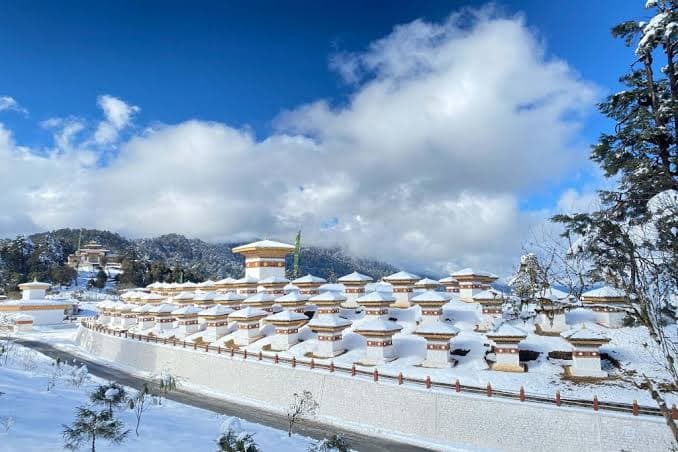
Dochu La — the 108-chorten pass at 3,100 metres between Thimphu and Punakha. The Druk Wangyel Chortens and the Himalayan panorama.
Journeys around this festival
Journey
A fourteen-night Bhutan east-to-west circuit exiting via Samdrup Jongkhar and Guwahati. The full eastern dzongkhags, the quieter half of the country.
Journey
A six-night winter journey through Bhutan in January — clearest Himalayan visibility, Punakha's warm valley, fewer travellers, and lodges by the fire.
Five questions. A bespoke draft back within a day or two.