The 20th-century dzong tradition
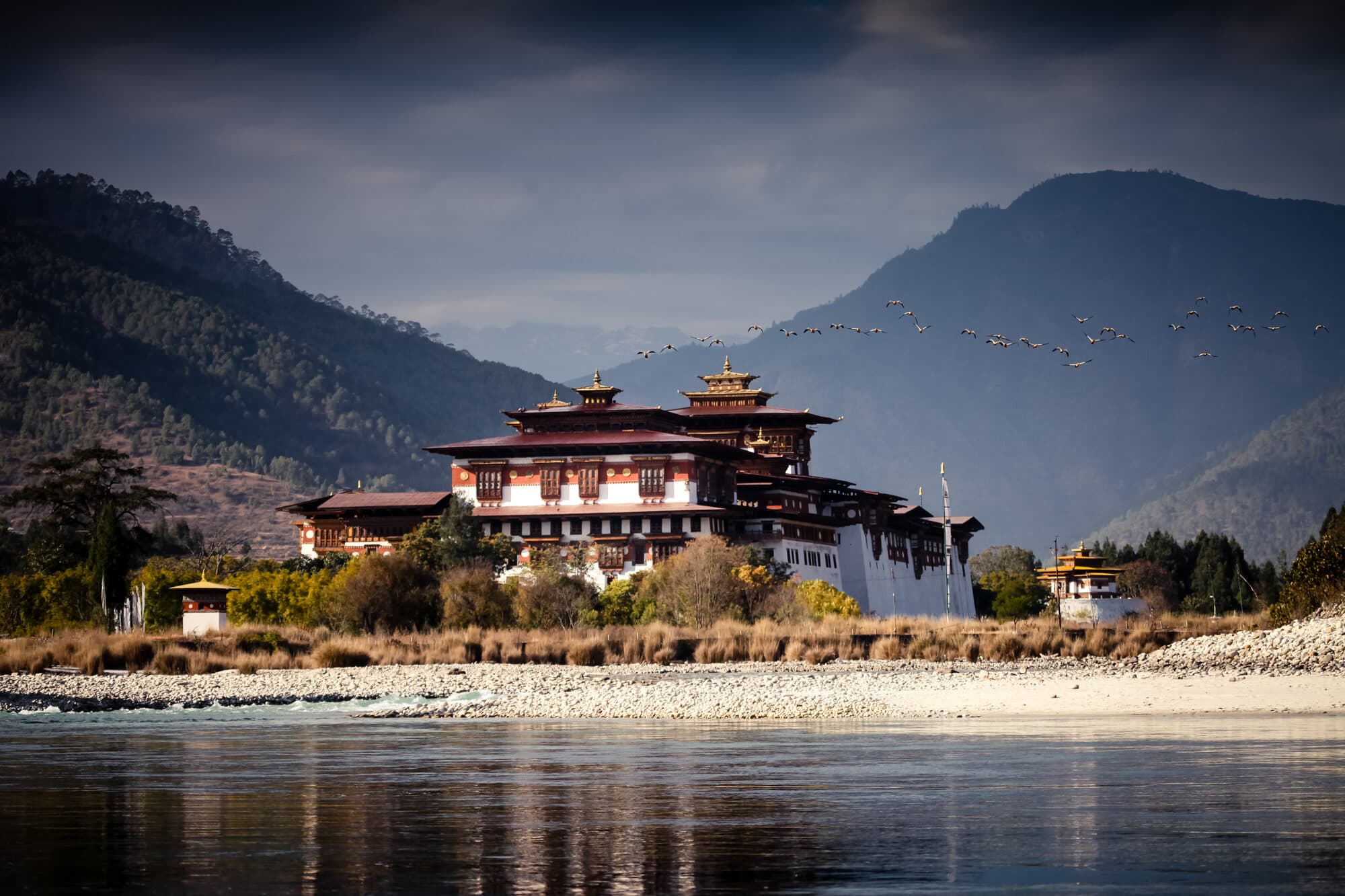
Mongar Dzong was built in 1930 to replace the older **Zhongar Dzong** (literally 'White Crystal Fortress', sometimes Shongar), which had been damaged by earthquake and fire in the early 20th century and had become structurally unstable. The new dzong was commissioned under the direction of His Majesty the Second Druk Gyalpo Jigme Wangchuck — part of His Majesty's broader institutional consolidation work across his 1926-1952 reign (see [[jigme-wangchuck|the Second Druk Gyalpo entry]]). The Mongar Dzong construction is one of the more notable examples of how Bhutanese builders maintained dzong-construction continuity through the 20th century — preserving the traditional architectural framework (sloping battered walls, the central utse, the elaborate wooden window frames, the steep traditional roof profile) at a more moderate scale than the substantial 17th-century Zhabdrung-era dzongs to the west.