- What altitude considerations should I worry about for an elderly parent?
- Bhutan is mostly low to mid-altitude — Paro at 2,250 m, Thimphu at 2,320 m, Punakha at 1,280 m. The principal altitude exposure is the [[dochu-la|Dochu La]] pass at 3,100 m on the Thimphu–Punakha drive, which is a 20–40 minute stop rather than an overnight. For most elderly travellers in their seventies and early eighties without significant cardiopulmonary conditions, the exposure is manageable. The matched guide carries an oxygen canister and the lodge has a relationship with the [[paro|Paro]] district hospital if a consultation is needed. For travellers in their late eighties or with significant conditions, we recommend a pre-trip conversation with the family physician and a possible itinerary adjustment (overnighting in Punakha but driving back to Thimphu in a single day rather than building Phobjikha in).
- What about the Tiger's Nest — should the parents try?
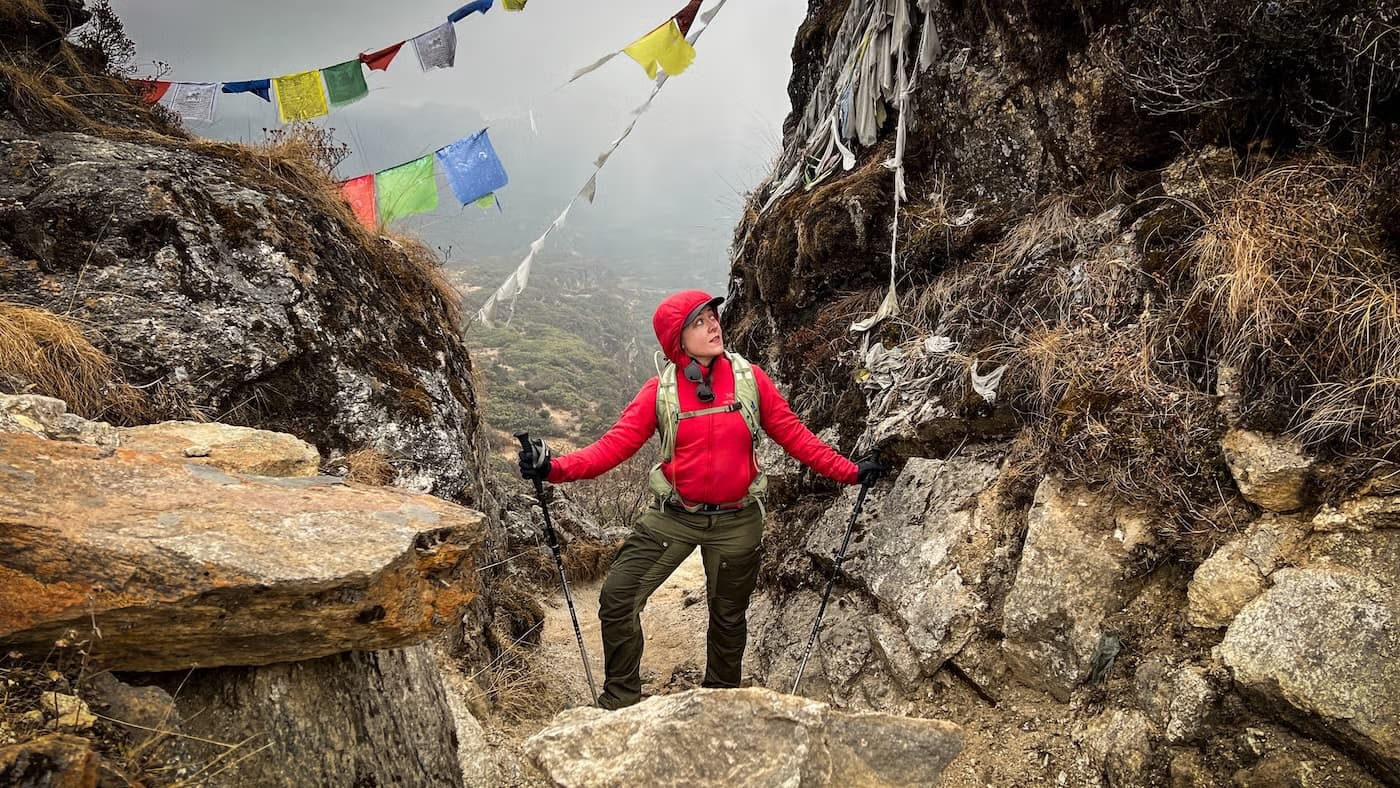
- Generally no, and the trip is built so they don't have to. The Tiger's Nest climb is ~700 m of altitude gain on switchbacks at ~3,120 m max — demanding for any traveller, and not appropriate for most elderly travellers in their seventies or eighties. The viewing platform at the base gives the photograph and the look at the temple from the angle most photographs are taken from. Adult children and grandchildren who want to climb can do so with the second matched guide; the elderly parents read or rest at the base, take lunch at the cafeteria, and the family reconverges by mid-afternoon. The trip is not the climb.
- Which lodges have ground-floor accommodation or elevators?
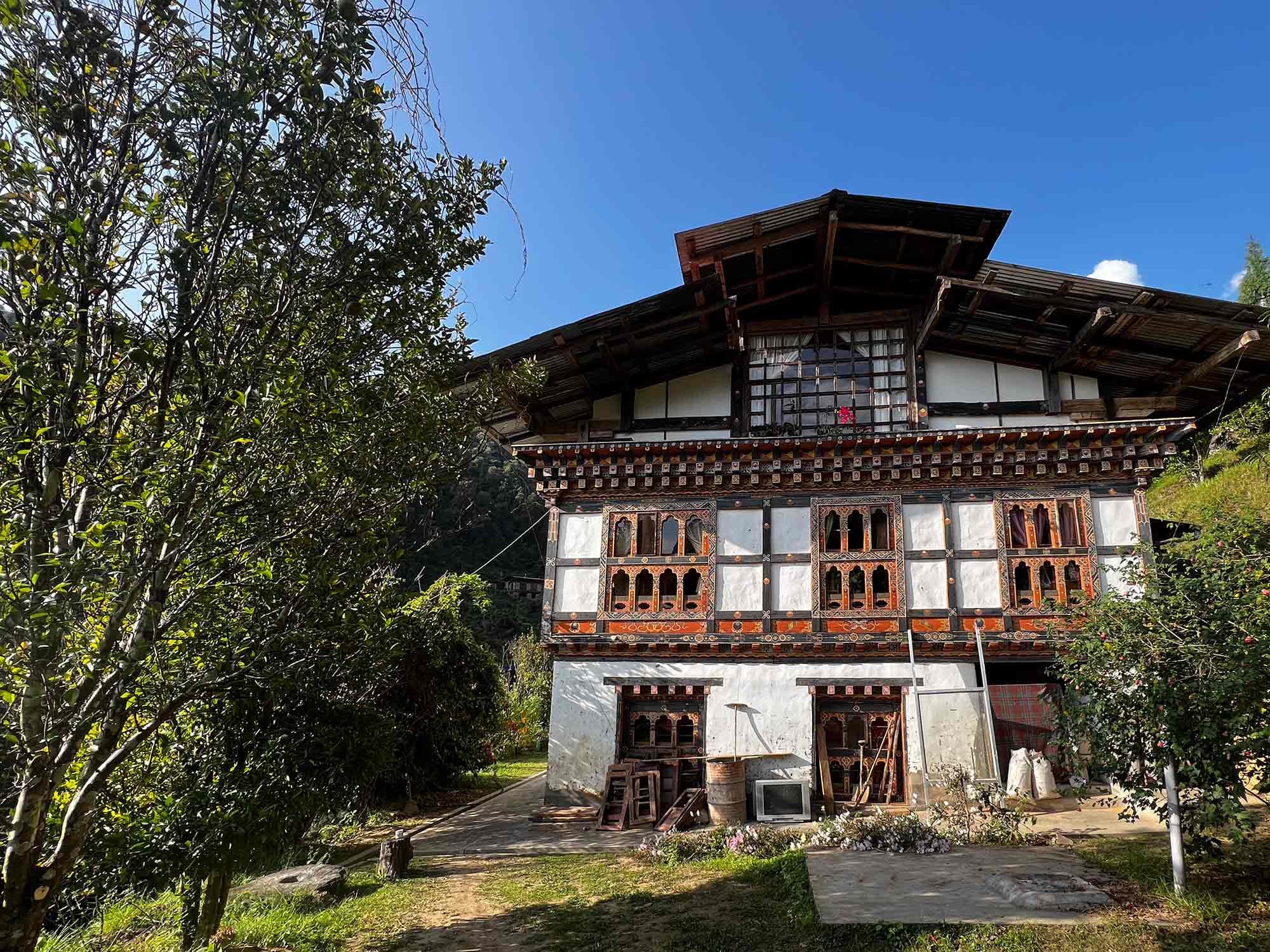
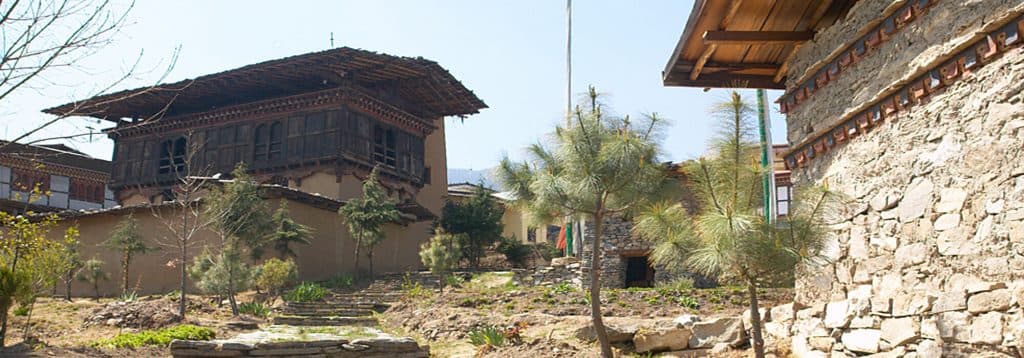
- We filter the lodge inventory specifically for the elderly-traveller. [[amankora|Amankora]] across Bhutan has ground-floor suites in most lodges (the Paro and Thimphu lodges in particular). COMO Uma Paro has elevator-equipped accommodation. Six Senses Punakha and Six Senses Paro have ground-floor villas with valley views; the lodge concierge can pre-arrange the specific suite or villa. The proposal names the specific accommodation and confirms the ground-floor or elevator availability before you confirm.
- Will the matched guide know how to pace for an elderly traveller?
- Yes — we match accordingly. Several of our knowledgeable guides have walked their own elderly parents through these valleys (the Bhutanese family pilgrimage tradition is present in the network) and are calibrated to read the rest cadence elderly bodies need. The matched guide is named in the proposal before you confirm, with the matching rationale explained. We adjust the match if the trip benefits from a different read.
- What dietary register should we ask for?
- Bhutanese cuisine is hearty, often substantially chilli-forward (ema datshi, the national dish, is chilli-and-cheese) and meat-heavy. For elderly travellers we typically arrange a parallel register — the matched lodge chefs prepare unspiced or mildly spiced versions of the traditional dishes alongside the standard versions, plus international comfort food (clear soups, plain rice, grilled fish, steamed vegetables) on request. Most Bhutanese lodge kitchens handle this gracefully. Specific dietary requirements (low-sodium, diabetic, soft-food, vegetarian, vegan, gluten-free) are gathered in the pre-arrival briefing and arranged at every meal.
- What if a medical situation arises?
- The lodges have a working relationship with the [[paro|Paro]], [[thimphu|Thimphu]], and Punakha district hospitals. The matched guide carries a basic medical kit and is trained in first aid. For medical situations the standard recourse is the JDWNRH (the Jigme Dorji Wangchuck National Referral Hospital) in Thimphu or, for serious conditions, medical evacuation via Drukair to Bangkok or Delhi (the lodge concierge and our team coordinate the logistics). We strongly recommend pre-arranged international medical insurance with evacuation coverage for any elderly traveller; the matched guide can advise on the standard insurers we work with.