- How does the flight work from Seoul?
- There is no direct service from Seoul to Paro, and Paro is Bhutan's only airport — a visual approach flown by a small number of certified pilots, difficult rather than dangerous. From Incheon you connect through an Asian hub — Bangkok, Singapore or Kathmandu — and take the final leg into Paro on Drukair (KB) or Bhutan Airlines (B3). Bangkok is usually the most flexible, with the most frequent onward rotations; Kathmandu suits a Himalayan pairing. We hold a seat-block on the relevant Paro leg for confirmed bookings and ticket it on your behalf at the prevailing rate; the Incheon-to-hub flight you book, and we advise on the cleanest connection.
- Why not route through Delhi or Kolkata?
- For a Korean or other non-Indian passport, an Indian hub carries transit-visa friction: India can require a transit visa on certain itineraries even when you remain airside, and the e-Tourist Visa process is online but not immediate. We route non-Indian passports through Bangkok, Singapore or Kathmandu instead, where entry is straightforward, and keep the connection clean.
- Do you arrange the Bhutan visa?
- Yes. The Bhutan visa is arranged by the licensed operator as a matter of course, against your passport details once the journey is confirmed — there is nothing to queue for on arrival. The Sustainable Development Fee, USD 100 per night for each international adult, is set by the Royal Government of Bhutan and is shown openly in your price breakdown; it funds free health and education for Bhutanese citizens.
- Is October the right month, coming from Seoul?
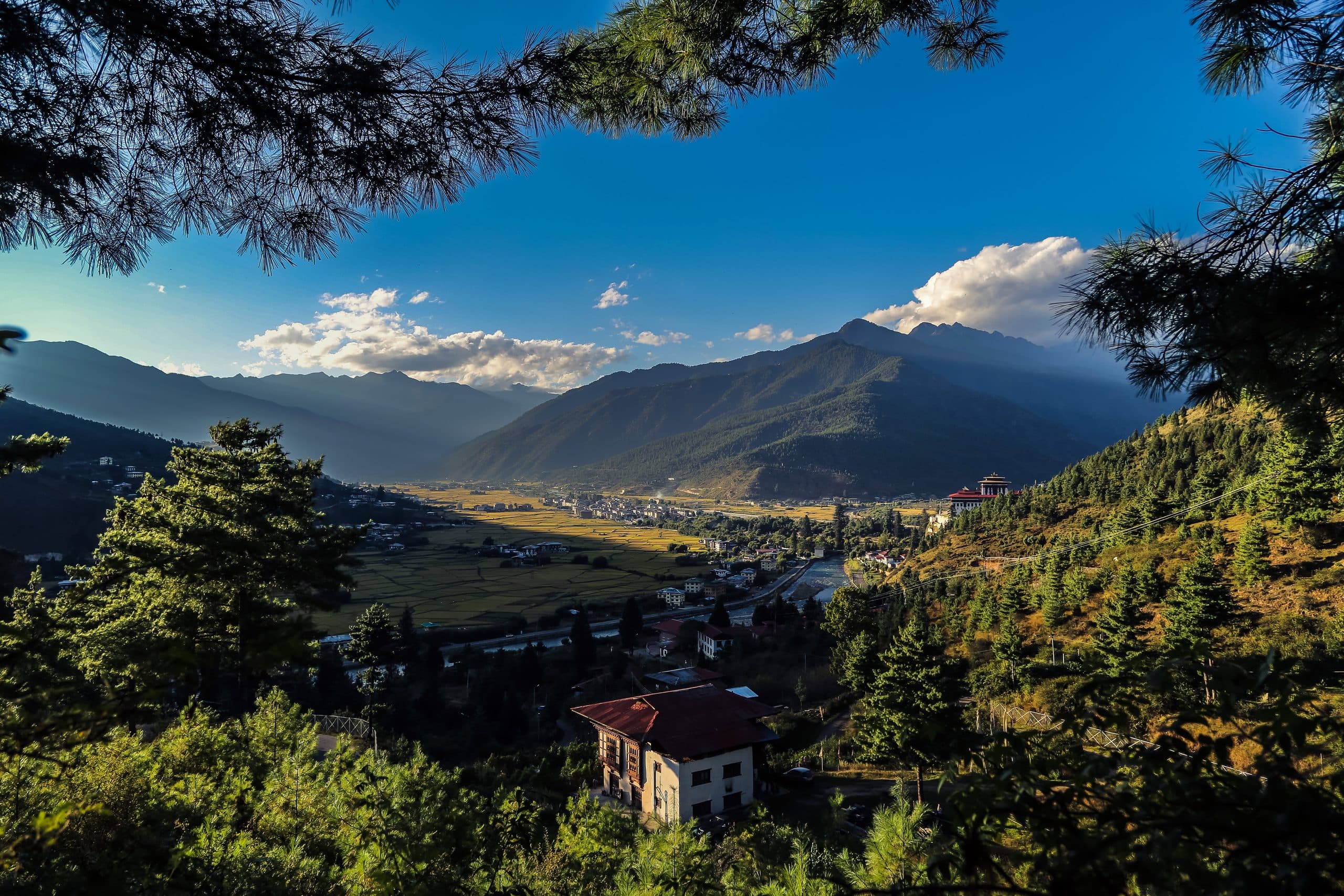
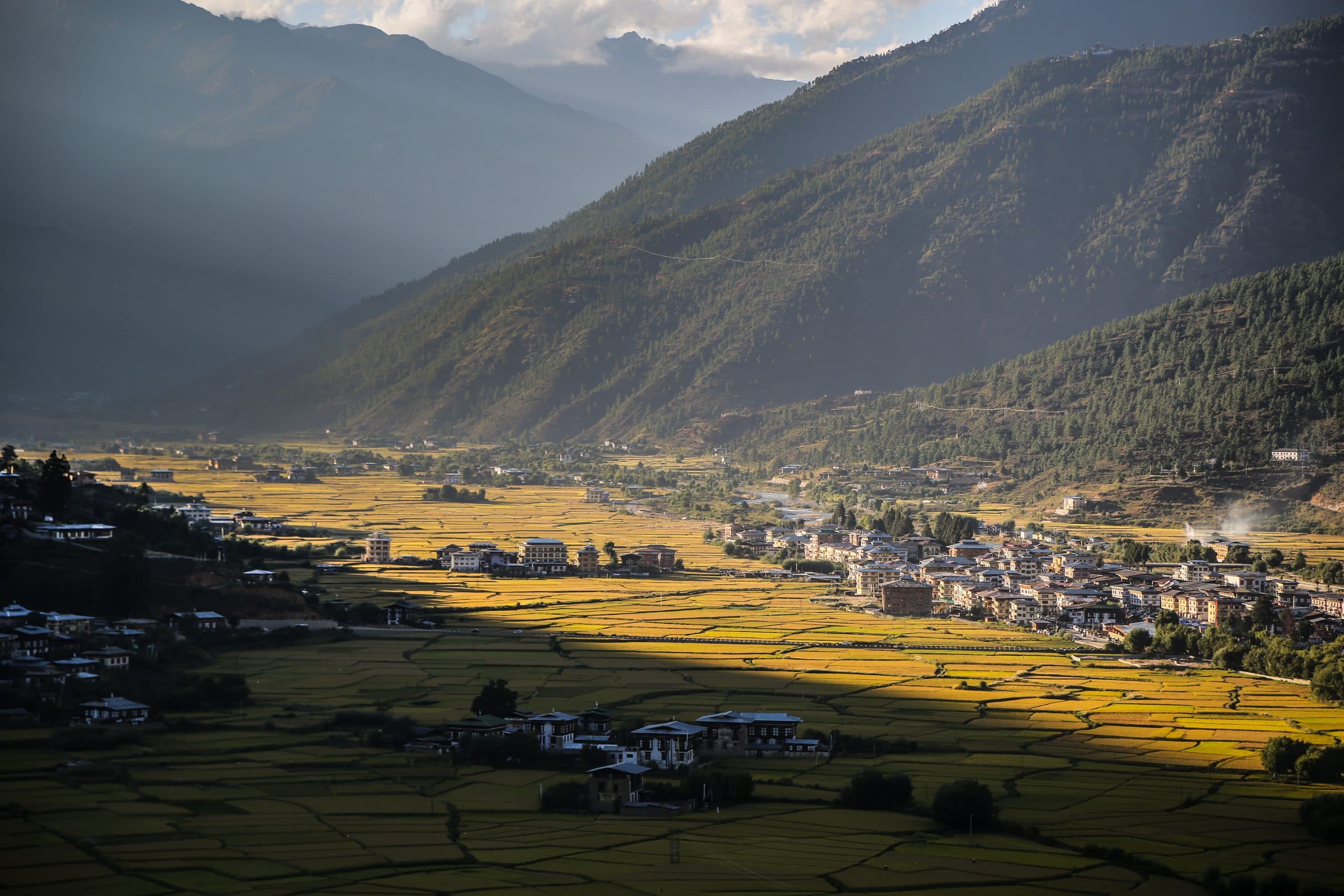
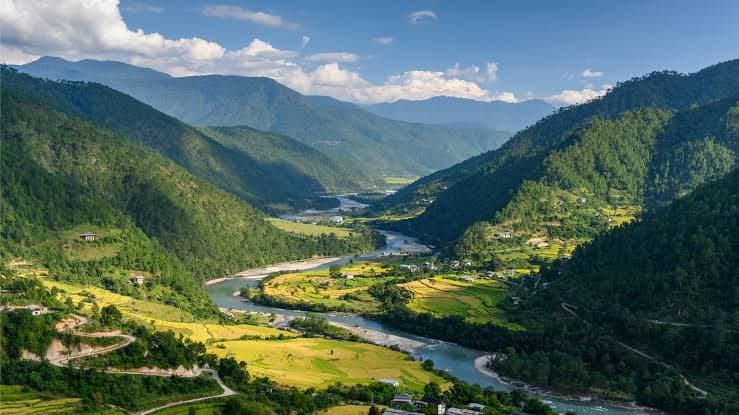
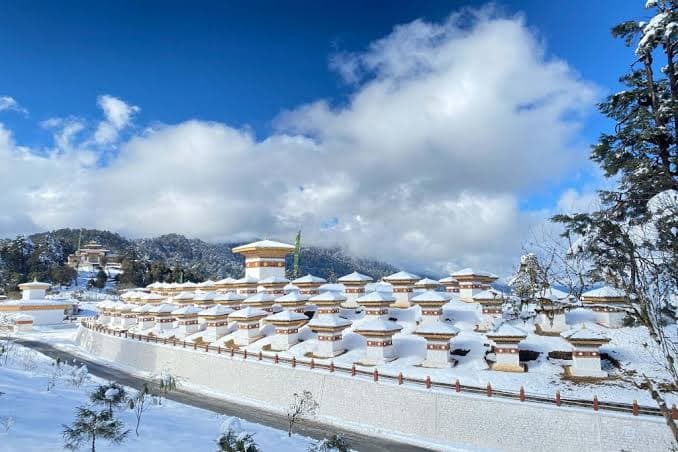
- It is the photographer's autumn — the clearest skies of the year, the rice gold in the Punakha valleys, and the festival season at its height. The light from Dochu La over the eastern range is at its best in these weeks. April is the other window, for the rhododendron and the longer evenings. We would steer you away from the deep monsoon of July and August unless you specifically want the green valleys and the quiet that comes with them.
- Is the Tiger's Nest the hardest part of the week?
- It is the steepest. Taktsang sits at 3,120 metres and the walk up is genuinely so, taken in switchbacks at a pace your guide sets and with a pause at the cafeteria partway. Most travellers want it and remember it; some would rather a quiet final day in Paro instead. Either is a good week — we plan to whichever you choose.
- Could we add Phobjikha for a longer trip?
- For nine nights and beyond, yes — Phobjikha is a glacial valley about three hours east of Punakha, among the quietest places to spend a night anywhere in the country, and the black-necked cranes are there from late October into February. It rewards an unhurried two nights rather than a passing one, and we would shape the week around it.